Last updated November 21, 2026
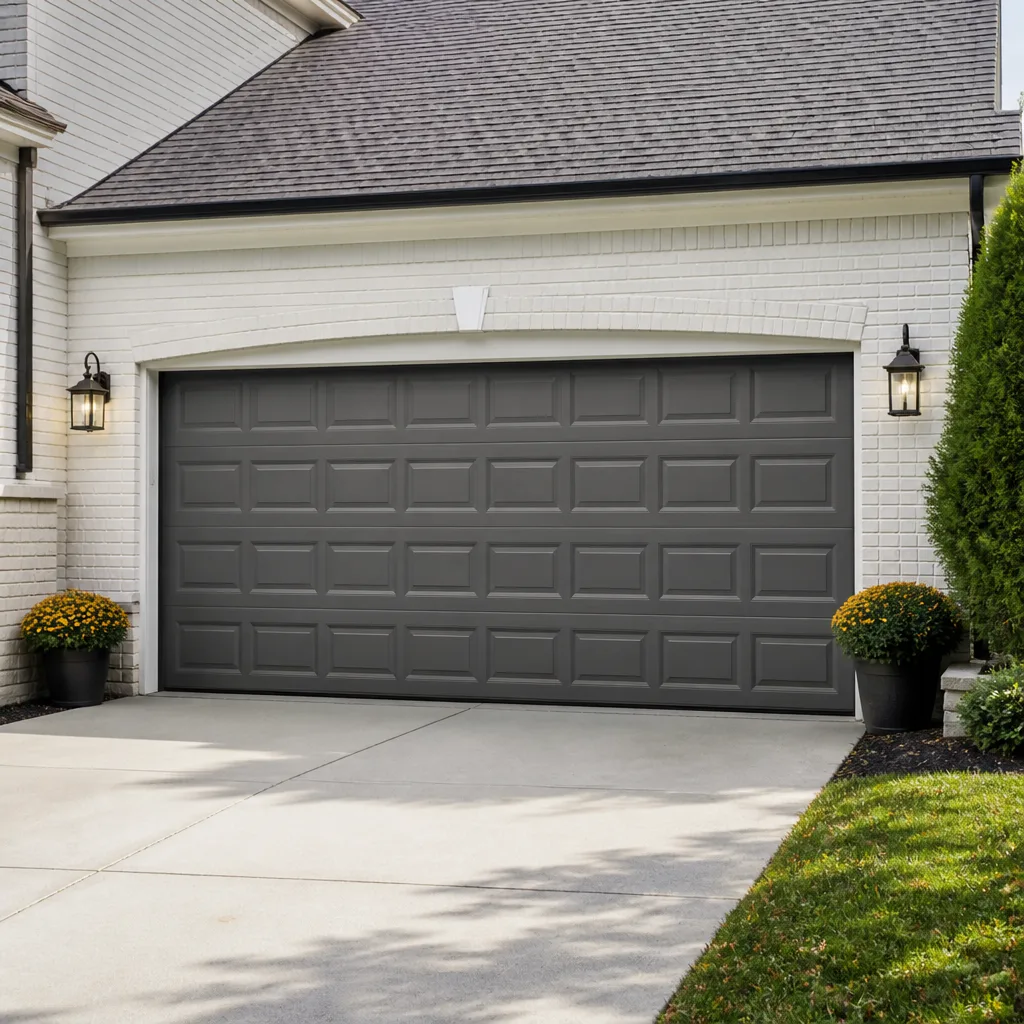 Raised-panel steel
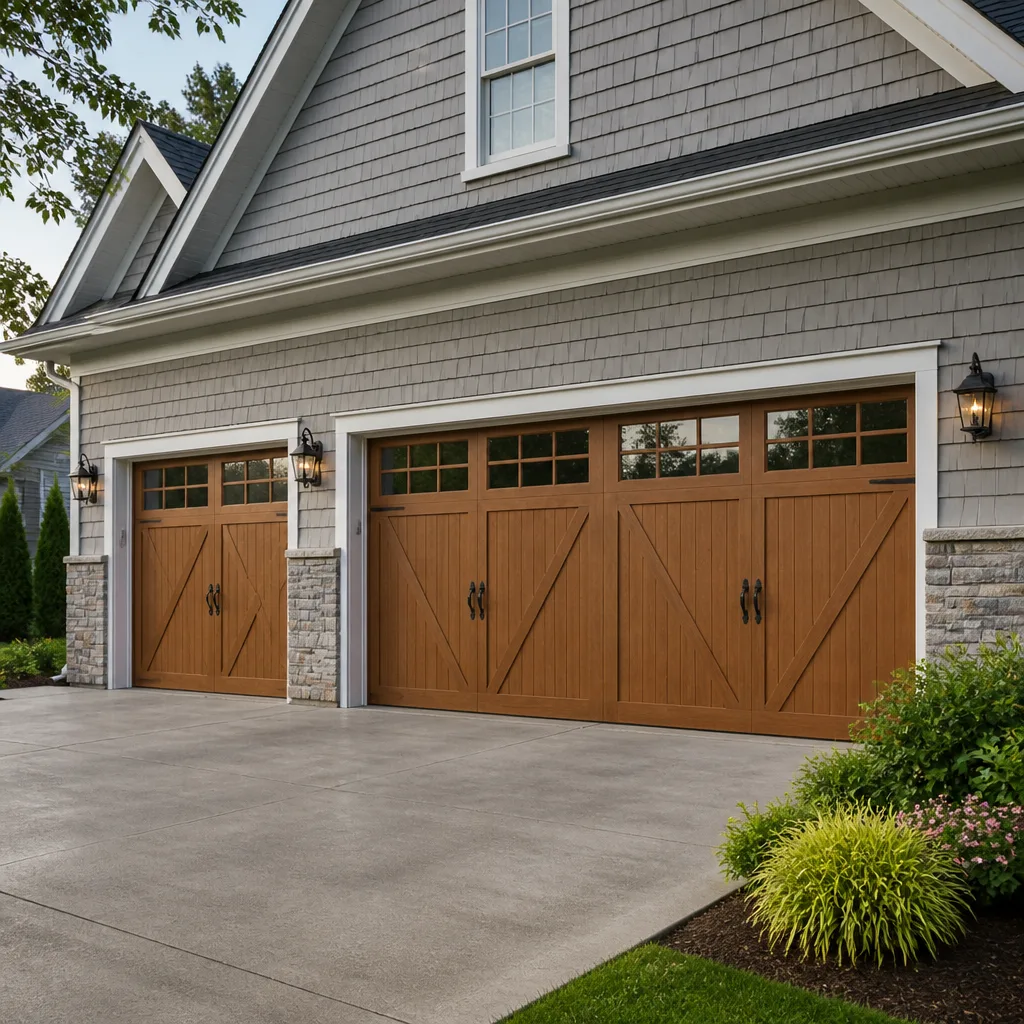 Carriage house
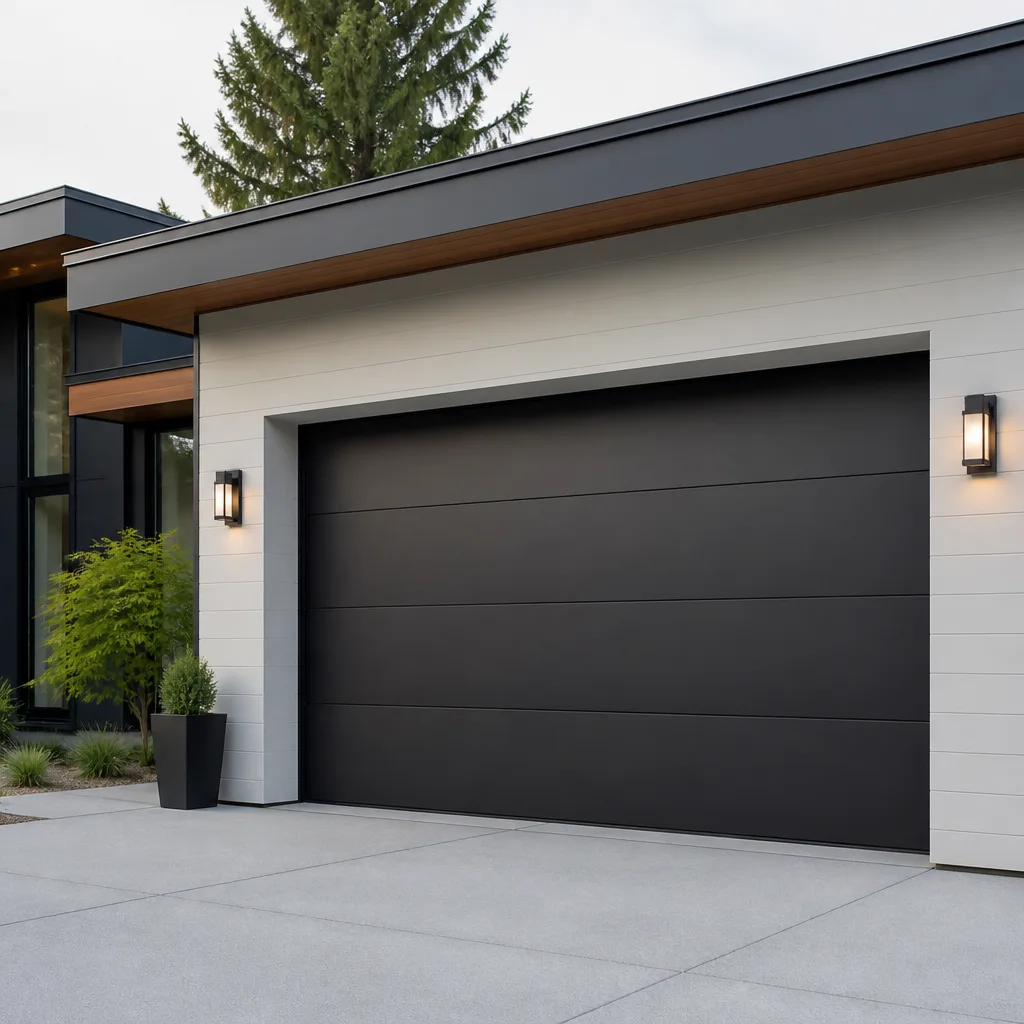 Modern flush
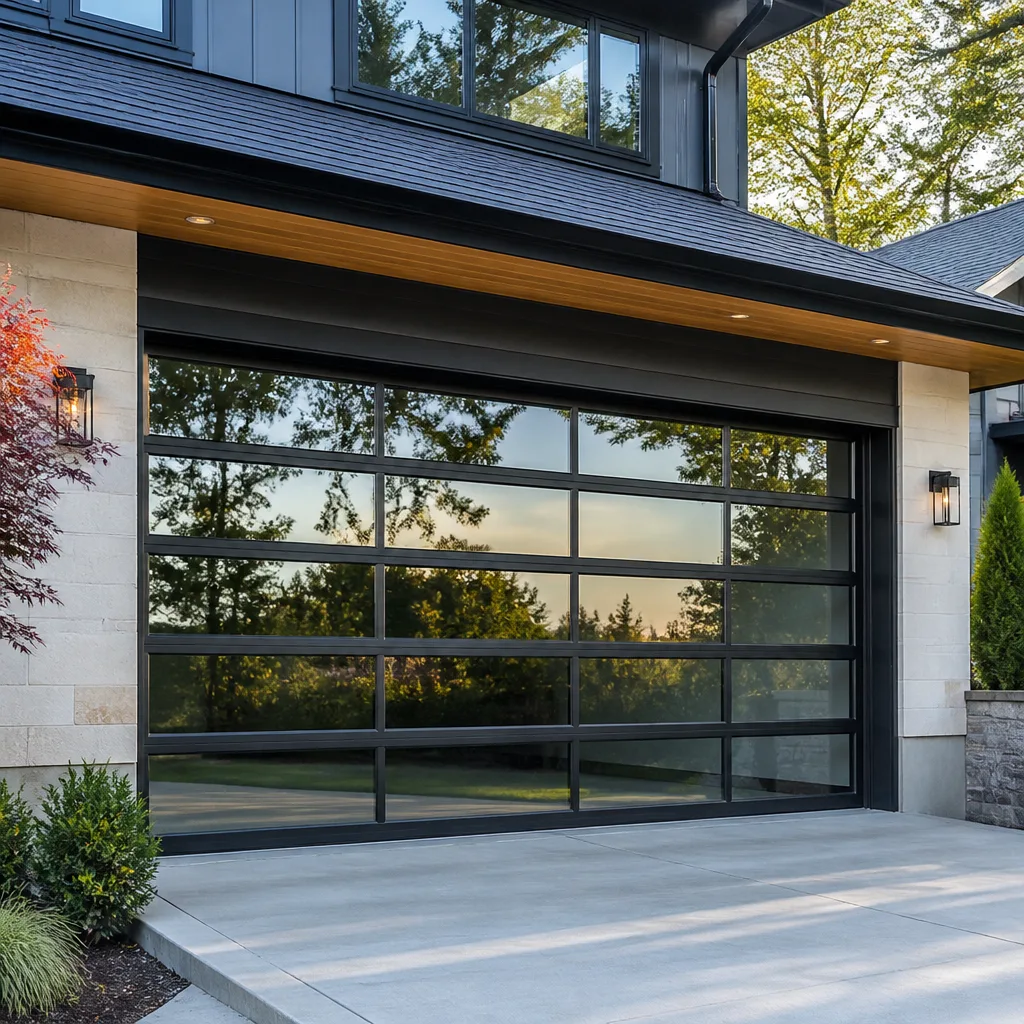 Full-view glass
 LiftMaster openers
 Chamberlain openers
Full 25-point door and opener safety check with every visit - springs, cables, rollers, tracks, and your LiftMaster or Chamberlain opener included
You get a price before we start. It does not change when the pro arrives.
Get your free estimateGarage Door Permits, Codes & Inspections in Allentown, PA: What You Need to Know
Ask most Allentown homeowners whether replacing a garage door needs a permit, and you’ll get a shrug. Many installers let that shrug stand, because pulling a permit takes time and paperwork, and skipping it keeps a bid looking low. The problem doesn’t show up the day the door goes in. It shows up later, at the worst possible moment, when a title search, a home sale, or an insurance adjuster starts asking who signed off on the work. This guide walks through when Allentown actually requires a permit for garage door work, how the city’s building department handles it, which statewide rules apply no matter where you live, and how to confirm a contractor did things by the book.
Quick Answer
A like-for-like garage door replacement in Allentown usually does not require a separate building permit, but structural changes, enlarging or moving an opening, adding or replacing an opener’s wiring, and work on a fire-rated door between an attached garage and the house can trigger permit and inspection requirements. The City of Allentown’s building department has the final word on your specific job, and a written estimate should tell you up front who is handling any permit. When in doubt, call the city before the work starts, not after.
Styles & brands we work with
- Raised-panel steel
- Carriage house
- Modern flush
- Full-view glass
- LiftMaster openers
- Chamberlain openers
Table of Contents
- When Does Garage Door Work Need a Permit in Allentown?
- How the City of Allentown Handles a Garage Door Permit
- Pennsylvania Statewide Rules That Apply Anyway
- Fire-Rated Doors and Attached Garages
- What Unpermitted Work Does to an Insurance Claim
- How to Confirm Your Contractor Pulled a Permit
- How Allentown Weather Affects Door and Opener Code Choices
- What a Garage Door Inspection Actually Checks
- Common Mistakes to Avoid
When Does Garage Door Work Need a Permit in Allentown?
The short version: a straight swap of one door for another of the same size in the same opening is generally treated as ordinary maintenance, while anything that changes the structure or the electrical side of the job usually isn’t. Here’s how the categories shake out in practice for Allentown homes.
- New installation in an existing opening, same size and type: Often no separate building permit, though the door still has to meet current safety and wind standards for the door’s design.
- Like-for-like replacement of a worn door: Typically the same category as above. The size, header, and track layout stay where they were.
- Enlarging or lowering the opening, moving the header, or cutting a new opening: This is structural work and requires a permit and inspection.
- Replacing or adding an opener with new electrical work: A dedicated circuit, a new outlet in the garage, or rewiring for the opener usually pulls in an electrical permit, and that work has to be done by a licensed electrician.
- Fire-rated door between the garage and the living space: Any replacement or change to that door or its hardware falls squarely in permit territory because it’s a life-safety component.
- Changing a door from non-rated to a rated assembly, or vice versa: Permitted and inspected, every time.
In our experience, the confusion comes from the fact that the work looks the same from the driveway. A new Clopay door slid into an existing opening and a new Clopay door in a widened opening look identical from the curb. Only one of them needed a permit and a sign-off. That gap is exactly where a homeowner gets surprised three years later during a sale inspection. The one rule that saves trouble: before any door project in Allentown, ask the building department to confirm whether your address and scope require a permit. That call costs nothing and takes a few minutes. If you’re planning garage door installation, the permit question should come up before the door is ordered, not after.
How the City of Allentown Handles a Garage Door Permit
The City of Allentown’s building department is where every permit question in the city ends up, and the process is more straightforward than most people expect. Here is the general shape of it:
- Confirm the scope with the city. Call or use the city’s online permitting system to describe exactly what will change. Do not rely on a contractor’s verbal yes or no; the city is the authority.
- Submit the application if required. The application usually asks for the property address, the scope, the contractor’s information, and sometimes a sketch or manufacturer’s specs for the door assembly.
- Pay the permit fee. Fees in Allentown vary by scope and valuation, so ask the city for the current schedule for your job. Any contractor who quotes a permit fee should match it to the city’s actual number.
- Schedule the inspection. For structural work, the inspector visits after the rough framing is done and again after the door is hung. For electrical work, the inspection covers the circuit and the opener’s connection.
- Get the sign-off in writing. Keep the inspection record and permit number with your home documents. This is the paper that protects you at sale and at claim time.
Most Allentown residential garage door projects that require a permit are small jobs in the eyes of the city. That’s actually good news for scheduling: inspections tend to move quickly because they’re not tied up in a large build. The catch is that a job done without a permit has no inspection record at all, and later you have no way to prove the work was done correctly. If any part of your door project is unclear, the Allentown Garage Door Repair Pros team can walk through your scope and tell you which category it falls into before you commit to anything.
Pennsylvania Statewide Rules That Apply Anyway
Even where Allentown doesn’t require a residential permit for the door itself, Pennsylvania’s statewide building code still governs how that door has to perform. In practice, that means your door and opener have to meet a set of requirements no matter how simple the job looks.
- Wind load rating. Pennsylvania’s residential code requires a garage door to be rated for the wind pressures the location expects. A door chosen without that rating may fail an inspection later, and a door chosen for a milder region may not match the engineered design of your home.
- Fire separation for attached garages. Where the garage shares a wall or ceiling with living space, the code requires a minimum separation between the garage and the house, and the door between them has to hold up to that requirement.
- Safety reversal. All garage doors installed today must have a reversing mechanism, and openers must have a safety reverse function. A door that closes on an object should reverse immediately, and openers need the photoelectric eye installed and working.
- Emergency release. Any opener must have a manual release, so the door can be operated by hand during a power outage or after a failure.
The wind rating is the one homeowners most often forget, and it’s the one most likely to bite during a final inspection. When a door is ordered, its wind rating and label should be on the manufacturer’s paperwork. Ask for it. A reputable supplier includes it automatically; a bargain door from an unregulated source may not. Our technicians have up to 11 years of experience working through door specs on Allentown homes, and we’ve learned that a five-minute conversation about wind rating at the ordering stage saves far more time than a failed inspection later. For help diagnosing whether an existing door meets these standards, call us for garage door repair and an honest assessment.
Fire-Rated Doors and Attached Garages
Most Allentown homes have an attached garage, and that changes the garage door’s job. The wall and door between the garage and the living space are part of the home’s fire separation system. The building code treats the garage as a higher-risk zone because it stores vehicles, fuel, and lawn equipment. The door between the two spaces is one of the barriers that buys you time if a fire starts in the garage.
Here’s what that means practically:
- A door that separates an attached garage from the house has to meet a fire-resistance requirement. When that door is replaced, the wrong door type can leave the house out of compliance.
- The door’s rating, self-closing behavior, and hardware all matter. A door that meets the rating but doesn’t close and latch reliably is not doing its job.
- A door that gets propped open for convenience is technically in violation. That’s a code compliance issue, not a garage door issue, but it’s the sort of thing that may come up in an insurance review or an inspection.
In our experience, replacing an old hollow-core or worn door in an attached garage is one of those jobs that’s easy to get cheap and hard to get right. The safe approach is to have the door’s rating confirmed before the order, and to keep the manufacturer’s documentation after installation. If you’re not sure what rating your current door has, a professional can check it on site and tell you what the code expects. If the door needs to be repaired or replaced, that falls within garage door repair service, and we treat the fire separation as a standing check on the job.
What Unpermitted Work Does to an Insurance Claim
The most common insurance scenario involving unpermitted garage door work doesn’t look like a dramatic claim. It looks like a settlement offer that leaves the homeowner short. When an adjuster reviews a claim tied to the garage, door, or opener, they look at the work history. If the door was replaced or the opener installed without a permit where one was required, the claim may be reduced, delayed, or denied, depending on the policy and the cause.
- Reduced coverage. Some policies limit or exclude damage from work that wasn’t done to code. The adjuster may treat a failed door as an unpermitted improvement rather than a covered loss.
- Denied claim where the connection is direct. If a claim involves the door itself, such as a fire separation failure or an opener that caused an injury, the missing permit can be the reason for denial.
- Disclosure on sale. Some states require homeowners to disclose unpermitted work at sale. Even where disclosure isn’t a legal requirement, a buyer’s inspection often surfaces it on its own, and a lender may require it to be permitted retroactively before closing.
- Retroactive permitting. Getting retroactive approval is possible in many cases, but it means paying permit fees, paying for an inspection, and sometimes redoing the work to meet code, all under time pressure.
One thing to keep straight: this is about work that would have required a permit and didn’t get one. A like-for-like door swap that didn’t need a permit is not the issue. The problem is the job that crossed a line the city drew and skipped the process. If you’re planning work that might fall into that category, our garage door repair team can walk through what your scope likely triggers and how to get the paperwork in order before anything is installed.
How to Confirm Your Contractor Pulled a Permit
You don’t have to take anyone’s word for it. A permit leaves a paper trail at the city, and a few checks will tell you whether your job is covered.
- Ask for the permit number in writing. The number goes on the estimate or invoice. A contractor who can’t produce one hasn’t pulled a permit.
- Look it up on the city’s system. The City of Allentown’s permitting office can confirm active permits by address or contractor. Call them with the permit number and ask.
- Ask who is responsible for what. Some contractors pull the building permit and ask the homeowner to hire a separate electrician for the electrical permit. That split is common and fine, as long as someone is actually doing it.
- Get a copy of the inspection result. A passed inspection comes with documentation. Keep it with the permit.
- Match the permit scope to the scope of work. A permit for a new door does not cover a new circuit. The paperwork should list the same work you’re paying for.
- Expect the cost to be visible. A legitimate contractor will show the permit fee or include it in the quote. A contractor who “folds it in” without a number is someone to ask about.
The reason some installers skip a permit is simple: permitting takes time, and bidding on a job without that time is easier. The savings end up in the homeowner’s lap years later. Our view is that the permit cost is part of doing the job, and it should show up in the quote. When we handle garage door installation, we talk through permit responsibility before the estimate is finalized, so there are no surprises after the door is on the truck.
How Allentown Weather Affects Door and Opener Code Choices
Allentown’s winters are the reason door specs here aren’t the same as a door spec in a mild climate. Cold snaps, freeze-thaw cycles, and snow load on the garage roof all put pressure on door hardware, and the code requirements around a door’s design reflect that.
- Freeze-thaw movement. The freeze-thaw cycle in Allentown works on door seals, bottom weatherstripping, and the tracks. A door that fits well in July can have gaps by February.
- Wind load in winter storms. A door’s wind rating isn’t a summer-only concern. Winter storm events are exactly when wind load matters most, and a door without the right rating is a liability.
- Insulation for attached garages. Allentown homes with heated or semi-heated garages benefit from an insulated door. Insulation is not generally a code requirement by itself, but it affects how the space behaves and how the door holds up.
- Snow load and roof structure. If the garage’s structural work ties into a permit, the snow load on the roof is one of the things the inspector may consider.
We’ve seen plenty of Allentown doors that were ordered for the wrong climate assumption and paid for it in the first cold season. A Clopay or LiftMaster product specified for our region behaves differently from one picked off a general list. Getting the specs right the first time is cheaper than a repair or a retroactive permit later. If a door is sticking, binding, or failing as the seasons change, our team handles garage door opener repair and door service across the city, and we’ll tell you honestly whether the issue is wear, installation, or a spec that was wrong from the start.
What a Garage Door Inspection Actually Checks
A garage door inspection isn’t a cosmetic walkthrough. It’s a check on the parts and connections that fail in ways that matter. Whether the inspection is part of a permit, an insurance review, or a sale, here’s the core of what gets checked:
- Springs and cables. The springs take the weight of the door, and a cracked or fatigued spring is a serious safety risk. Inspectors and technicians look for broken coils, cable fraying, and wear at the drums.
- Safety reversal and photoelectric eyes. The opener’s safety features are tested by blocking the eye and confirming the door reverses. A failed test is a fail, full stop.
- Manual release. The release needs to work reliably so the door can be operated by hand.
- Tracks and rollers. Bent tracks, worn rollers, and loose hinges are noted because they put load on other components.
- Balance and travel. A door that doesn’t balance when disconnected from the opener puts strain on the opener and is a sign of a spring problem.
- Fire-rating labels and hardware. In an attached garage, the door’s label and its closing behavior are checked.
- Mounting and fasteners. The opener and the door’s reinforcement points should be secure to the structure.
Any inspection that touches the springs or the cables should be handled by a trained professional. Those parts are under extreme tension, and a person without the tools and the training can be seriously injured. Springs are a named specialty for us for exactly that reason; if the door is making noise, moving unevenly, or feels heavy, get it looked at. Allentown Garage Door Repair Pros offers free estimates on repair work in Allentown, and we’ll tell you what the inspection finds without guessing.
Common Mistakes to Avoid
- Assumed the swap needed no permit because the old door was the same size. It’s the structural and electrical parts of the job that matter, and a like-for-like door may still need an inspection if the opening changed at all. Ask the city for your address before you order.
- Let an installer talk you out of a permit to keep the bid low. A quote that’s missing the permit fee is a quote that leaves the risk with you. Ask what the permit costs and who is responsible for pulling it.
- Forgot the fire-rated door in an attached Allentown garage. The door between the garage and the house isn’t just a door. Replacing it with the wrong type can leave the home out of compliance with the code and possibly with the insurance policy.
- Ordered a door without checking the wind rating. Pennsylvania’s residential code expects a rated door. A door chosen purely on price may fail a later inspection.
- Let a handyman do the opener wiring. An opener circuit is electrical work. Have a licensed electrician handle it, and make sure the permit for that work is pulled.
- Accepted a verbal “all good” instead of paperwork. The permit number and inspection record are what protect you at sale and at claim time. Keep copies.
- Let the garage door on an Allentown home go unmaintained. Seals, rollers, and tracks wear faster with our freeze-thaw cycle. Small problems caught now are cheaper than a failed inspection or a snapped spring later.
See the difference
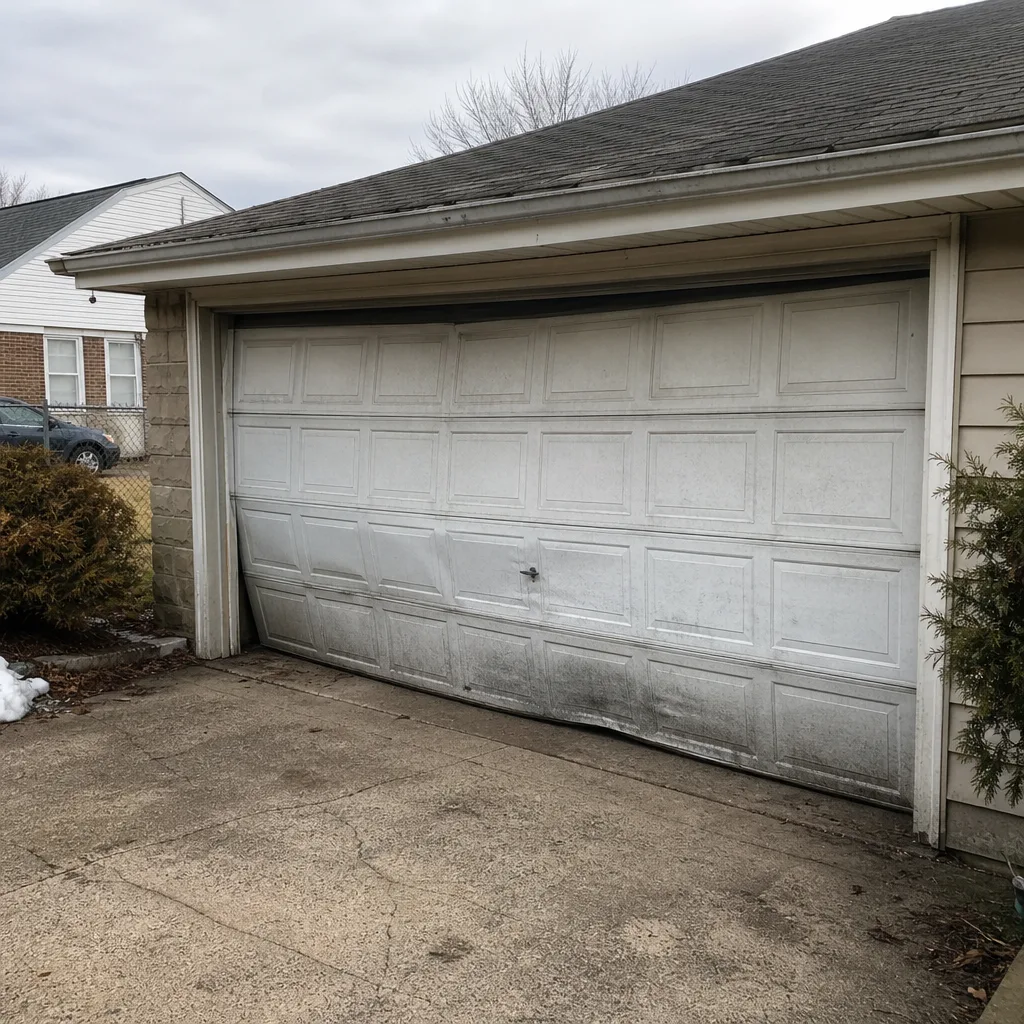 Before
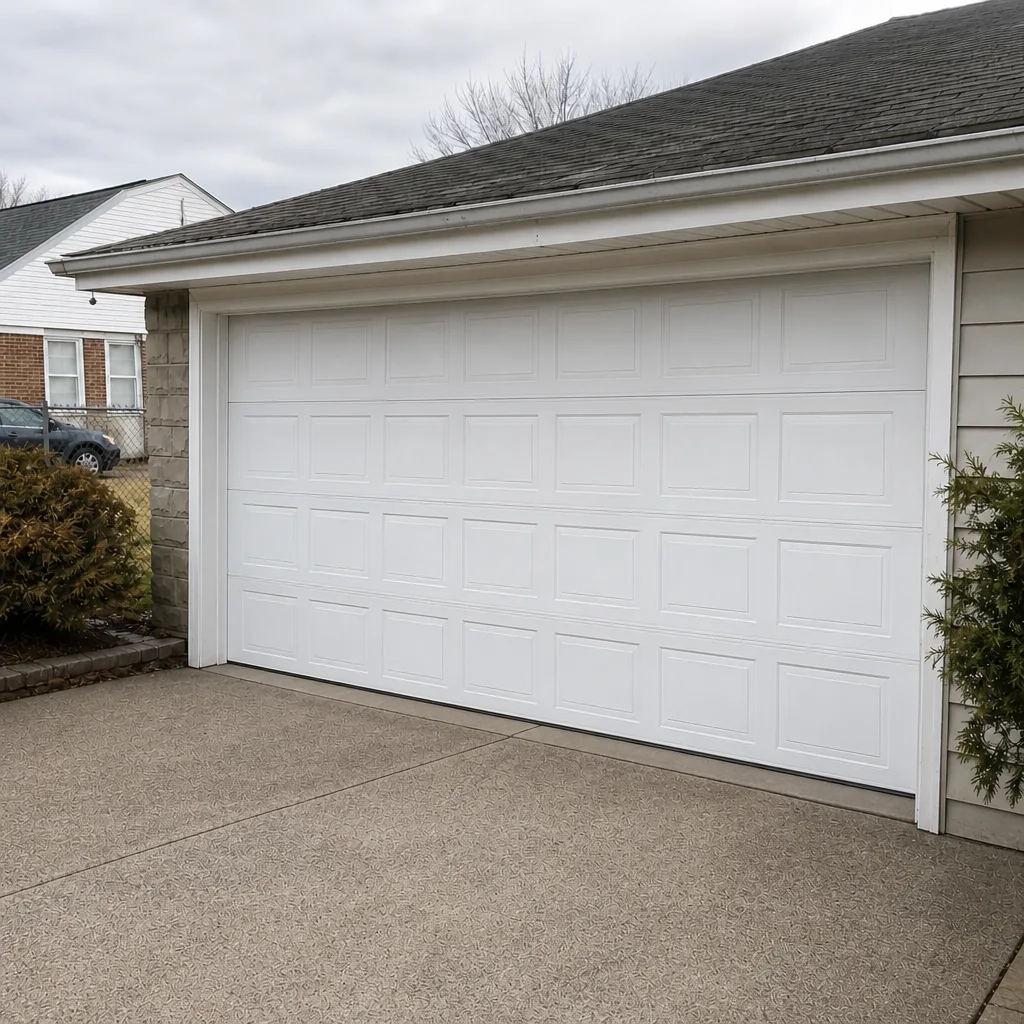 After
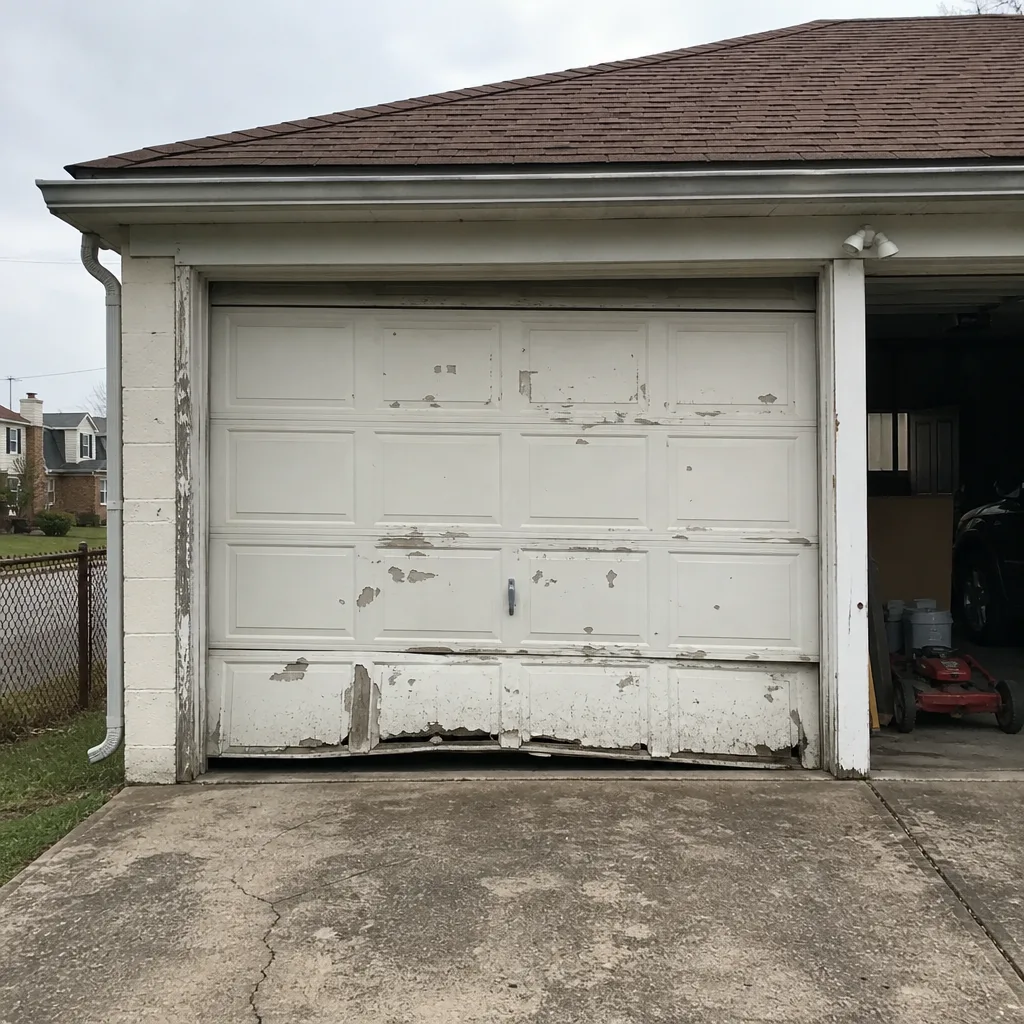 Before
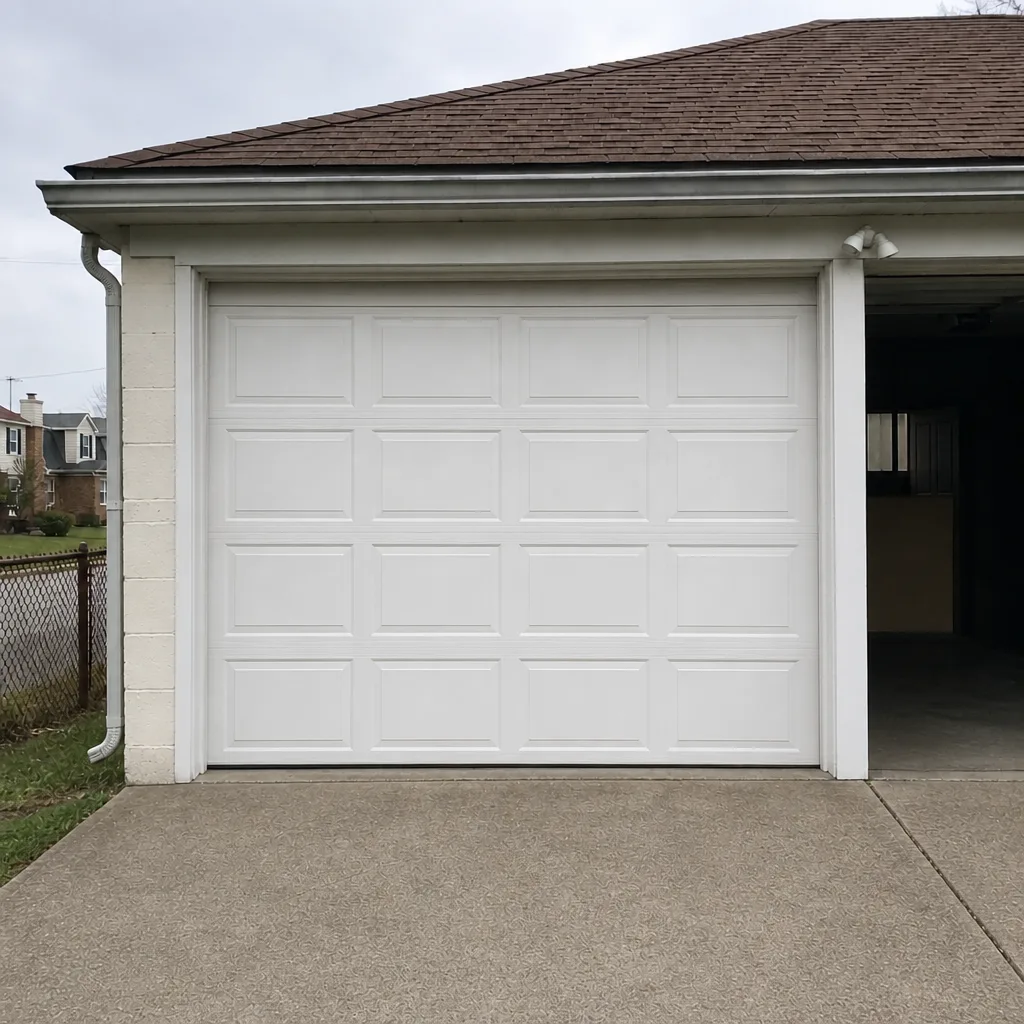 After
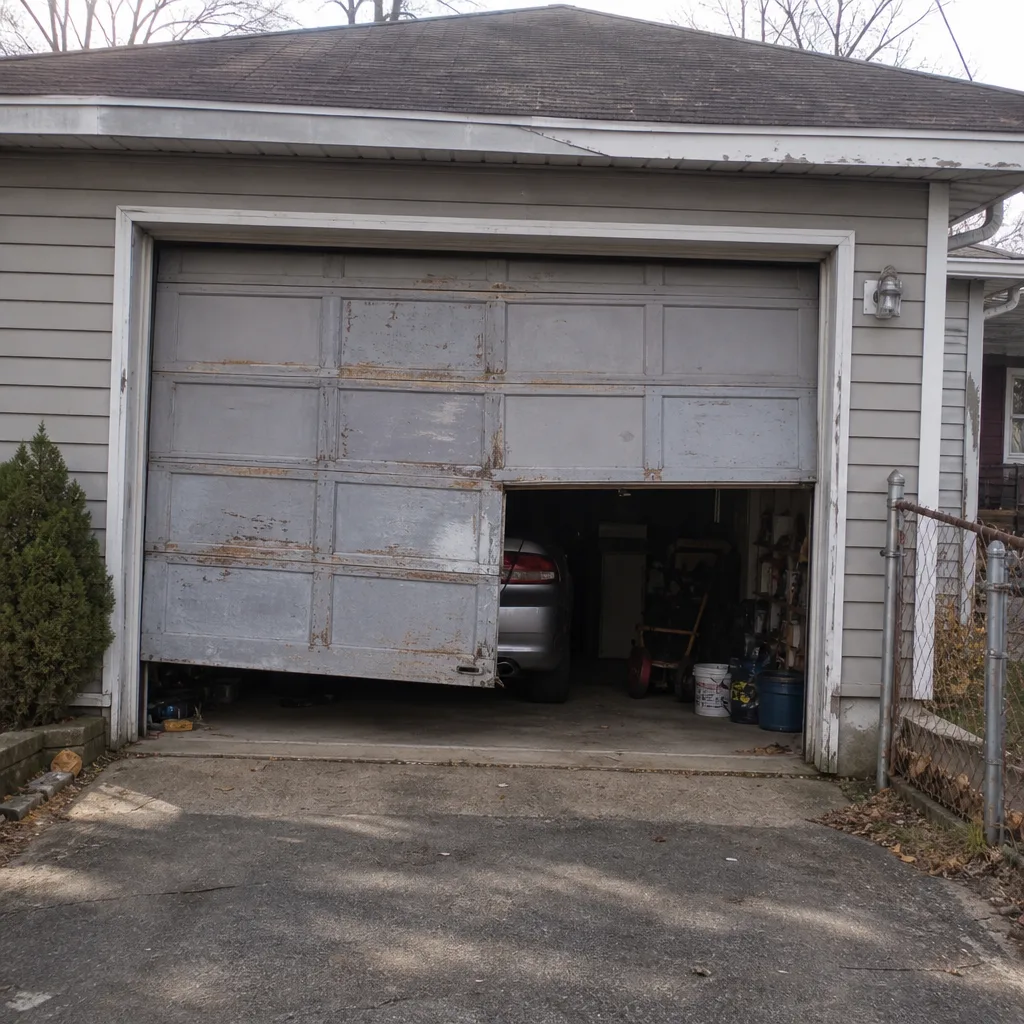 Before
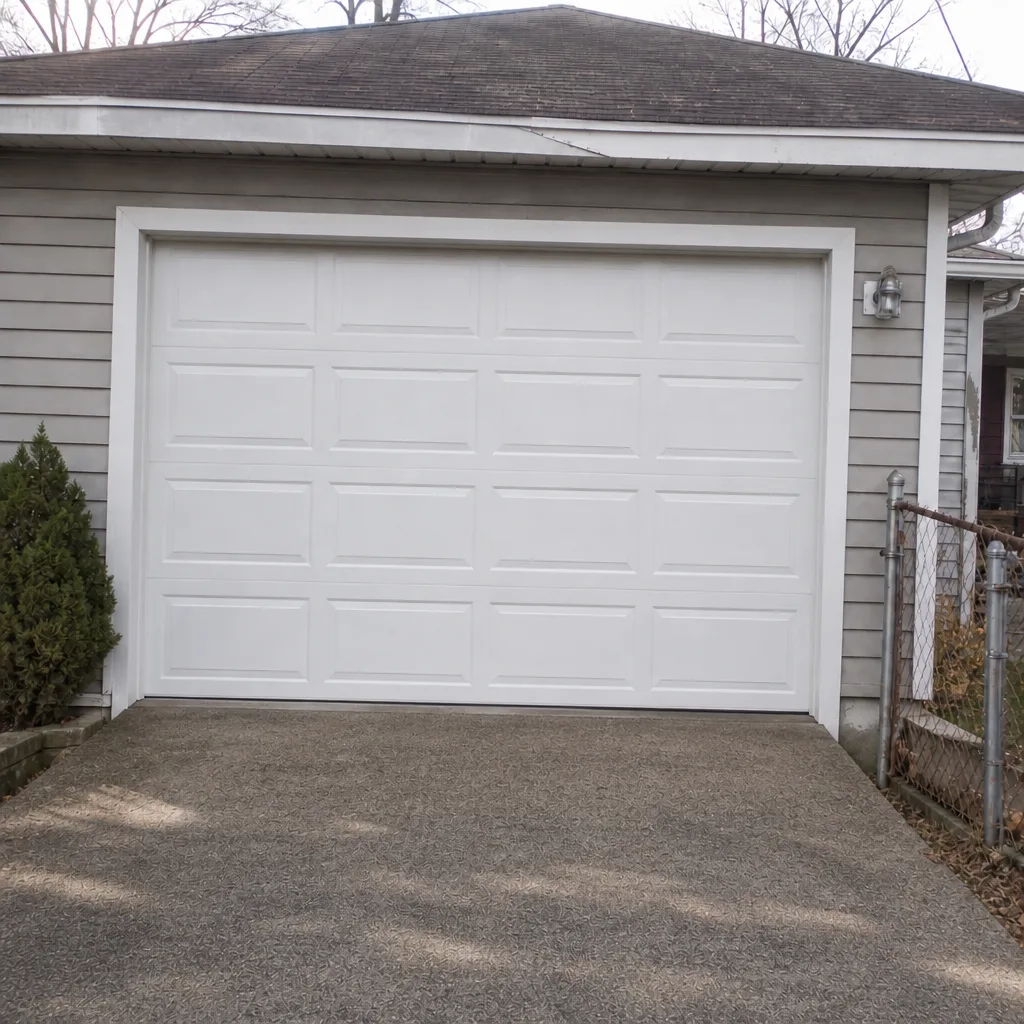 After
When to Call a Professional
Some of this you can handle yourself: a call to the city, a question at a permit counter, a copy of the manufacturer’s spec sheet tucked into a folder. What you shouldn’t handle yourself is the door itself. Springs and cables are under extreme tension and can injure an untrained person seriously. Opener electrical work belongs to a licensed electrician. The structural side of an opening change belongs to a permitted, inspected job. If your door is binding, your opener is failing, your springs are making noise, or your existing door’s rating is unclear, those are the calls that go to a professional. We work on the brands Allentown homes actually have, including LiftMaster, Chamberlain, Genie, and Clopay, so a brand mismatch never means a dead end. Allentown Garage Door Repair Pros offers free estimates in Allentown. Call (866) 594-2373.
Frequently Asked Questions
A like-for-like garage door replacement in Allentown usually does not require a separate building permit, while a structural change to the opening, electrical work for a new opener, or a fire-rated door replacement generally does. The City of Allentown’s building department has the final word for your specific address and scope, so confirm with them before the work starts. Call (866) 594-2373 for an exact quote on the door work itself; estimates are free.
Unpermitted garage door work can show up during a sale inspection or a title review, and a buyer’s lender may require the work to be permitted retroactively before closing. That usually means paying the permit fee, arranging an inspection, and sometimes correcting the door to meet code, all under time pressure. If you’re unsure whether your job needs a permit, get a written scope and ask the city before you order the door. For a free estimate on the completed work, call (866) 594-2373.
Yes, it’s possible. If a claim involves the door, the opener, or the fire separation between the garage and the house, an unpermitted installation can reduce, delay, or in some cases lead to denial of the claim. The specifics depend on your policy and the cause of the loss, so read your policy and ask your agent directly. If you’re concerned about the condition of your door, call (866) 594-2373 for a free estimate on repair or replacement.
If the opener installation includes new electrical wiring, a dedicated circuit, or a new outlet in the garage, that electrical work usually requires a permit, and a licensed electrician should do it. A straight replacement of an opener on an existing connection may not require a separate electrical permit, but that’s a question for the city based on your exact setup. For opener repair or replacement in Allentown, call (866) 594-2373 for a free estimate.
Ask the contractor for the permit number in writing, then call the City of Allentown’s permitting office and confirm the permit is active for your address. Also ask for a copy of the inspection result once the work is done, and keep both documents with your home records. A contractor who can’t produce a permit number hasn’t pulled one. If you’d rather have a specialist handle the door work and walk you through the permit question, call (866) 594-2373.
Pennsylvania’s residential code requires a garage door to be rated for the wind pressures expected at the location, and that rating should come from the manufacturer’s specifications. A door chosen on price alone without that rating may fail an inspection later or not match the engineered design of the home. When you get a quote, ask to see the wind rating on the door’s paperwork. For installation estimates in Allentown, call (866) 594-2373; estimates are free.
The Bottom Line
The permit question isn’t really about paperwork. It’s about whether the work on your Allentown home can stand up to an inspection, a sale, or an insurance claim years from now. Like-for-like door replacement usually stays clear of the permit requirement, but structural changes, electrical work for an opener, and fire-rated doors in attached garages are where the rules kick in. Pennsylvania’s statewide code applies regardless, with wind ratings and safety features that a correct installation should meet. If you want the work done once and documented, call Allentown Garage Door Repair Pros at (866) 594-2373 for a free estimate, and we’ll take the guesswork out of the scope before the door is ordered.
Written by the team at Allentown Garage Door Repair Pros.