Last updated November 21, 2026
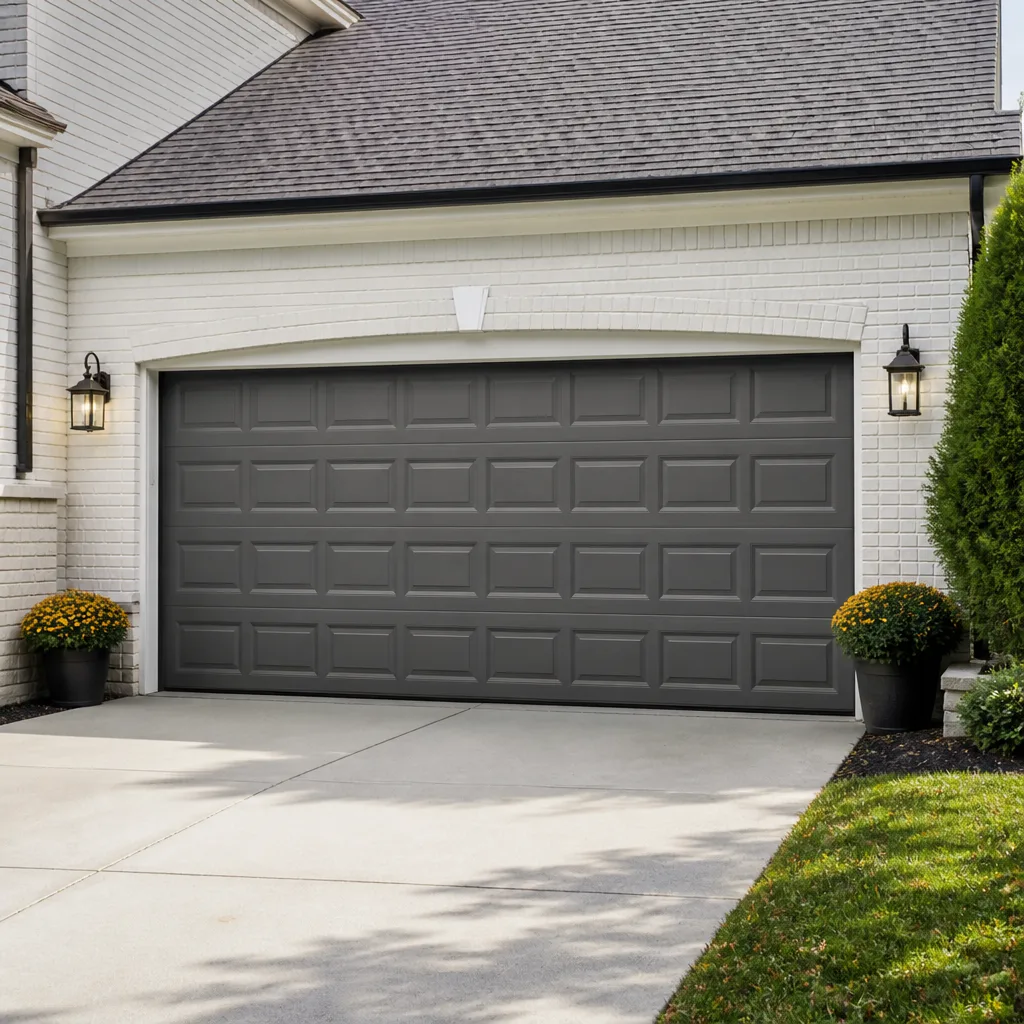 Raised-panel steel
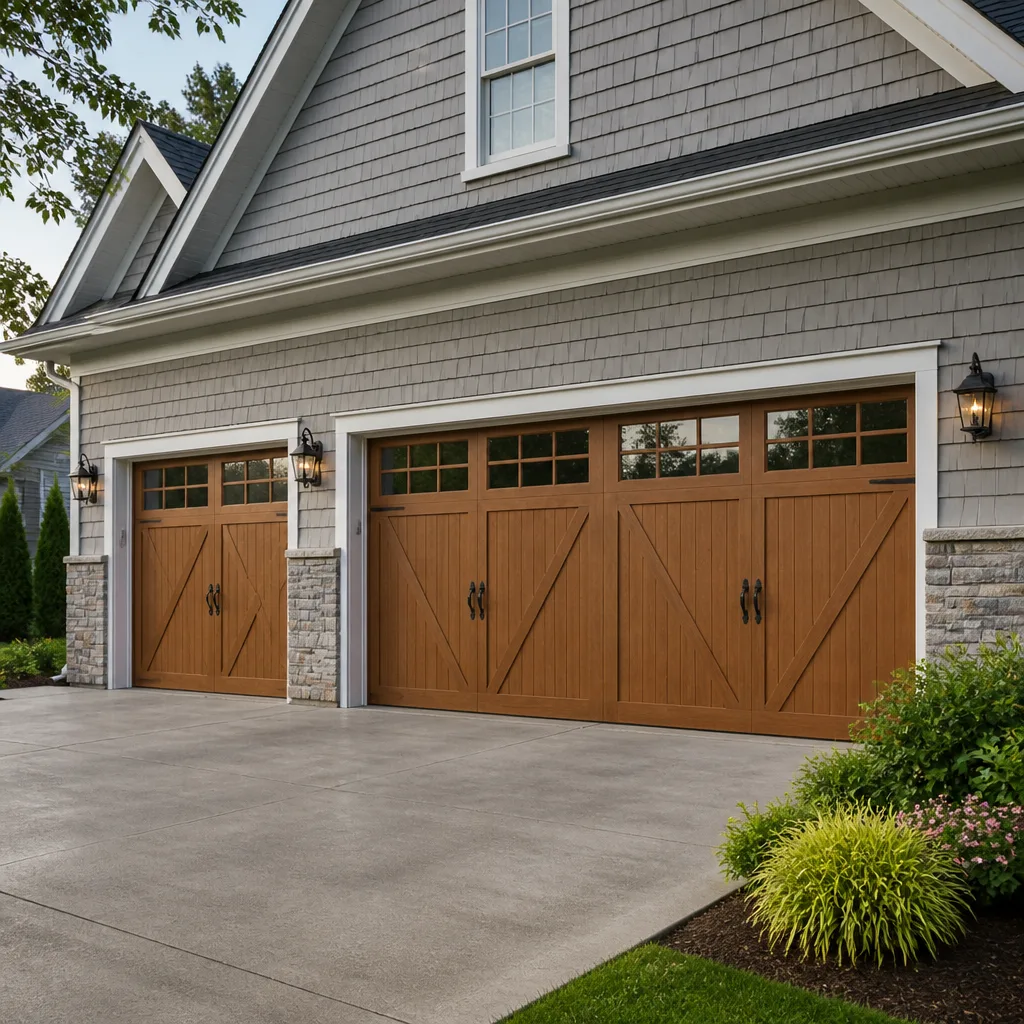 Carriage house
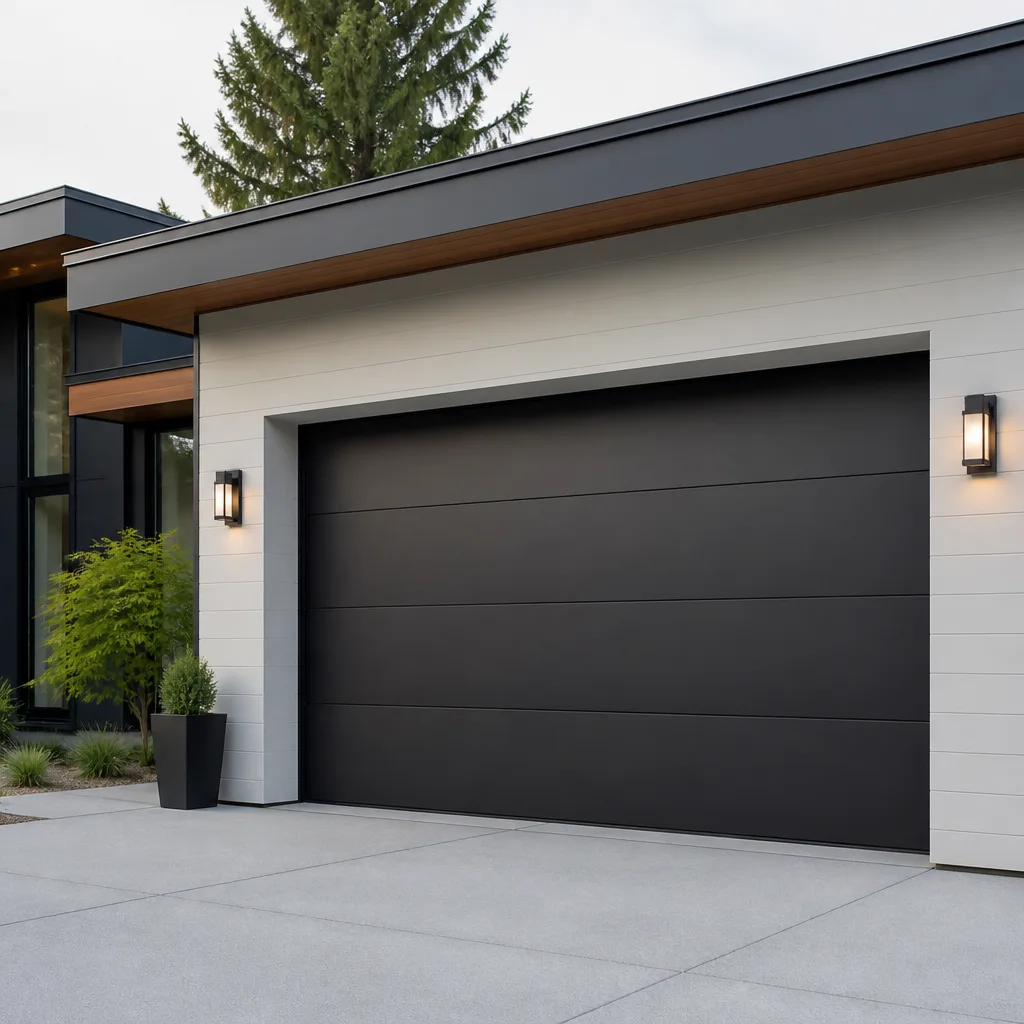 Modern flush
 Full-view glass
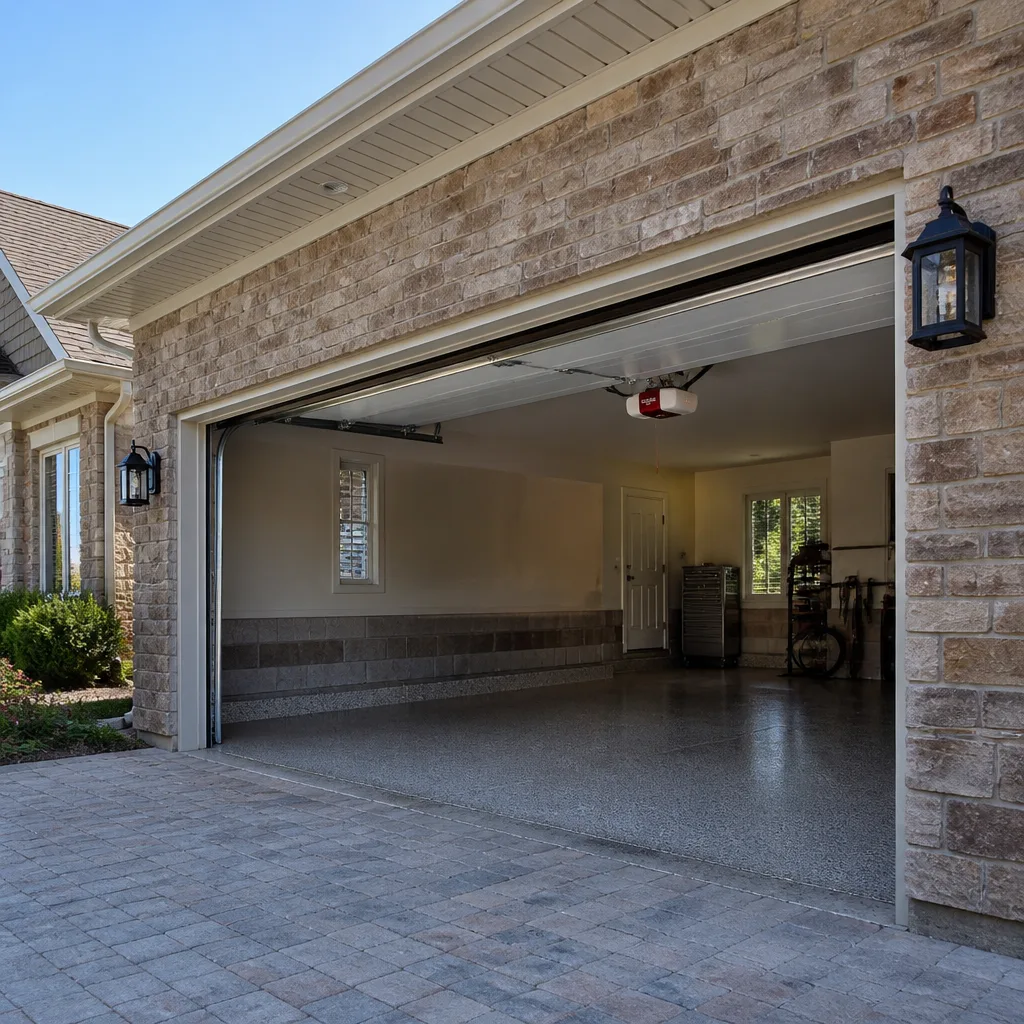 LiftMaster openers
 Chamberlain openers
Full 25-point door and opener safety check with every visit - springs, cables, rollers, tracks, and your LiftMaster or Chamberlain opener included
You get a price before we start. It does not change when the pro arrives.
Get your free estimateGarage Door Repair Maintenance Schedule: What to Do and When
Annual maintenance is the wrong interval for half the tasks on your garage door. Some parts need attention every 90 days, others only every five years, and treating them all the same is why maintenance either gets skipped or done wrong. A torsion spring doesn’t wear on a birthday; it wears on cycles. Seals don’t fail in January because the calendar says so; they fail when a Lehigh Valley freeze follows a wet spell. The result is a schedule you can actually keep. This guide breaks the job into a quarterly rhythm, an annual checklist, and a longer multi-year horizon, with specific things to look for at each stage. We’ll also cover the balance and force tests that reveal hidden spring and opener wear, how to lubricate for Allentown winters and summer humidity, and which tasks you should never touch yourself.
Quick Answer
A garage door needs lubrication and a visual inspection every 90 days, a full balance and force test once a year, weather seal inspection at each seasonal transition, and spring, cable, and roller assessment roughly every three to five years or whenever you hear a change in sound. Never adjust springs or cables yourself; those are trained-professional tasks. A written schedule beats a vague “once a year” habit every time, and it’s the single best way to avoid a spring snapping at 7 a.m. in Allentown on a morning you need to be somewhere.
Styles & brands we work with
- Raised-panel steel
- Carriage house
- Modern flush
- Full-view glass
- LiftMaster openers
- Chamberlain openers
Table of Contents
- The Quarterly Tasks: What Every 90 Days Looks Like
- The Annual Checklist: Balance, Force, and Hardware
- Lubrication Done Right for Allentown’s Climate
- Weather Seal and Bottom Seal Care Through the Seasons
- The Multi-Year Timeline: Springs, Cables, Rollers
- Which Tasks Protect Your Warranty and Which Void It
- Common Mistakes to Avoid
- When to Call a Professional
The Quarterly Tasks: What Every 90 Days Looks Like
Every 90 days, give the door fifteen minutes of attention. Not because it’s failing, but because small changes caught early cost far less to correct than a mid-winter emergency. The 90-day rhythm lines up with Allentown’s four seasons, which is no accident; each quarter’s inspection catches the wear that season produces. Here’s what to do each time.
Start with a walk-around of the door itself, inside and out. Look at the panels for dents, loose hinges, and separation at the seams. Then move to the track. Run your hand along the inside edge of the vertical and horizontal track, feeling for burrs, dents, and buildup. Wipe with a dry rag if you find grit.
- Listen before you look. Open and close the door once and just listen. Grinding, squealing, or a rhythmic thump are all different problems. Note the sound before you touch anything.
- Check the hinges. Grab each hinge and tug gently. Loose hinges should be snugged with the correct driver, not overtightened.
- Test the safety reverse. Place a roll of paper towels on the ground under the closing door (or use the manufacturer’s suggested test object). The door should reverse on contact. If it doesn’t, stop and call.
- Look at the rollers. Steel rollers wear flat spots. Nylon rollers crack. Either way, a wobble or whisper is a sign of wear.
- Inspect the photo-eye alignment. Openers like Genie and LiftMaster run on a safety beam near the floor. Wipe the lenses clean and confirm the indicator light stays steady when nothing is in the way.
- Eyeball the seals. Check the bottom seal for tears and the perimeter weatherstripping for gaps. If you can see light between the door and frame, the seal is done its job.
Fifteen minutes per quarter, four times a year, keeps a garage door in Allentown predictable. Skip it and you’ll notice the wear at the worst possible moment.
The Annual Checklist: Balance, Force, and Hardware
Once a year, do a deeper pass. Two tests matter most: the balance test and the force resistance test. Together they reveal spring and opener wear long before a failure. Do them on a day when you can leave the door open for a while and have someone to help if needed.
Balance test. Close the door fully. Pull the manual release (the red cord hanging from the opener rail) and lift the door by hand to about halfway up. Let go. A balanced door holds its position with little or no drift. If it slams down, the springs have lost tension. If it drifts upward, the springs are over-tensioned. Either is a sign the door needs professional attention; springs are dangerous, and you should never attempt to adjust them yourself.
Force resistance test. With the door closed and the opener engaged again, place a firm object under the closing path and trigger the door. A properly adjusted opener reverses promptly. If the door presses hard before reversing, the force setting is too high. LiftMaster, Chamberlain, and Genie openers all have a force adjustment, usually a small knob or a digital menu hidden under the light lens. Adjusting it is a professional’s job if the door behaves differently after the door is rebalanced.
The annual pass also includes:
- Wiping the opener photoelectric eyes with a soft cloth
- Testing the wall-mounted control and both remotes
- Inspecting the opener’s emergency release cord for fraying
- Checking the torsion spring coils for rust or separation
- Confirming the door panel bolts and the bracket at the top panel are snug
- Replacing remote batteries if the range feels weaker than usual
If your balance test shows the door dropping on its own, don’t wait. Call us; a spring that’s failing the balance test today can snap next week.
Lubrication Done Right for Allentown’s Climate
Lubrication is where most well-intentioned maintenance goes wrong. A quick spray of whatever’s in the garage can leave you worse off than before. Different components need different products, and the products that work best here change with the season.
Here’s the component-by-component breakdown:
- Hinges, rollers, and the torsion spring coils: Use a white lithium grease or a silicone-based lubricant. Apply sparingly. A light film is right; a dripping coat collects grit.
- The track: Do not lubricate the vertical or horizontal track. Wipe it clean with a dry rag. Grease on a track becomes a magnet for road dust and airborne pollen, and rolling friction returning is the first sign the door is struggling.
- Rollers: Nylon rollers rarely need lubricant. Steel rollers benefit from a few drops of the same white lithium grease in the roller bearing.
- The opener drive screw (if belt or screw drive): Follow the opener manufacturer’s guidance. Belt drives usually need no lubrication. Screw drives use a specific grease, not general-purpose spray.
What never goes on your garage door: WD-40. The standard formula is a solvent, not a lubricant. It cleans, but on hinges and springs it strips existing grease and dries out over weeks. Repeated use on a spring or pulley accelerates wear. Keep the WD-40 for bolts that need loosening; leave it away from moving parts.
For Allentown’s winter: Before the first hard freeze, go over hinges and springs with white lithium. Cold rubber seals stiffen and the grease layer resists the drag. For summer humidity: switch to a silicone-based spray on hinges if the door starts to squeak as the weather warms. Silicone resists the moisture that finds its way into a Lehigh Valley garage in July and August, and it doesn’t go tacky the way lithium can when the temperature pushes toward 90.
Weather Seal and Bottom Seal Care Through the Seasons
Seals aren’t calendar-month items; they’re seasonal-transition items. Allentown sits in the Lehigh Valley where a wet fall turns to a frozen winter, then a freeze-thaw cycle, then a warm, humid spring. Each transition does something different to the rubber and vinyl around your door.
As fall turns cold: Check the bottom seal for cracking. A stiff seal loses its flex and stops conforming to the floor. If you can feel cold air rushing under the closed door with your hand a few inches above the floor, the bottom seal needs replacement before the first freeze.
Mid-winter: Watch for ice damming on the seal, where a small amount of water refreezes against the threshold. Don’t chip it away with a shovel. Warm water or a gentle plastic scraper is fine. Chipping with metal tears the seal.
Spring thaw: Check for water intrusion at the bottom and around the frame. If the bottom seal was compromised through the winter, this is the moment to replace it before humidity and warmth let moisture into the garage.
Summer humidity: Feel the perimeter weatherstripping. If it’s soft or gummy, replace. If it’s brittle and pulling away from the jamb, replace. A draft-free perimeter in summer means a draft-free perimeter in January.
For doors with glass or plastic panels, add a quick wipe-down of the perimeter to the seasonal seal check. Anywhere water sits is a place a seal will fail first.
The Multi-Year Timeline: Springs, Cables, Rollers
Beyond the annual cycle, some components live on a longer arc. This is where the “call a professional early” instinct pays off. We work on LiftMaster, Chamberlain, Genie, Clopay, Amarr, Wayne Dalton, Craftsman, and Raynor equipment, and the wear pattern on each brand is similar enough at this level to put together a realistic multi-year schedule.
Rollers: every 3 to 5 years. Nylon rollers usually last closer to 5 years; steel rollers with bearings can go longer if kept lubricated. Any roller that’s wobbling, flat-spotted, or noisy should be replaced in a set, not piecemeal.
Springs: every 7 to 12 years. Standard torsion springs last through a certain number of opening cycles. In a busy household with multiple drivers, that’s closer to 7 years. On a quieter door, closer to 12. Custom high-cycle springs (an option on a new install) can be paired for longer life. Springs are the one component you should never adjust or replace yourself; the stored energy in a tensioned spring can cause serious injury.
Cables: every 10 to 15 years, or whenever you see fraying. Cables are under tension too. Fraying at the drum or the bottom bracket is a sign to replace before the door drops.
Openers: every 10 to 15 years. Most opener failures are electronic, not mechanical. A chain drive that’s been running every day for a decade will start to lose smooth response. If you’re seeing lag or an intermittent non-response on a LiftMaster or Genie, the opener is telling you it’s close to the end.
Whole door: every 20 to 30 years. Wood doors warp and rot. Steel doors rust at the bottom, especially under the seal. A Clopay or Amarr door that’s showing rust along the bottom panel or sagging at the center is closer to replacement than to repair. That’s the moment to plan a new installation rather than a patch.
Which Tasks Protect Your Warranty and Which Void It
Warranties on garage doors and openers are more forgiving than most homeowners expect, but they have clear fault lines. Getting the maintenance right on the protected tasks keeps the warranty valid; doing certain repairs wrong voids the coverage on the parts you touch.
Maintenance tasks that keep your warranty valid:
- Regularly lubricating hinges, rollers, and springs following the manufacturer’s recommended product type
- Testing the safety reverse and photo-eye function at recommended intervals
- Keeping the track clean and free of debris
- Replacing remote batteries and cleaning photo-eye lenses
Tasks that commonly void coverage if done incorrectly:
- Adjusting the torsion spring tension yourself (invalidates the spring warranty and creates real injury risk)
- Replacing a broken spring with one outside the door’s spec (wrong wire gauge, wrong cycle rating)
- Cutting, drilling, or modifying the door panel for any reason (voids panel warranty)
- Painting or refinishing a door with a product not approved by the door manufacturer
- “Adjusting” opener force to compensate for a door that’s out of balance (voids the opener warranty and risks safety)
The safest rule: anything that turns a bolt on the torsion bar, cable, or opener force setting is a call to a professional. Anything that wipes, lubricates, or inspects is your job. If a Clopay or Amarr warranty question comes up, keep the original paperwork and log your maintenance dates. That’s the documentation a warranty claim will need if you ever have one.
Common Mistakes to Avoid
- Spraying WD-40 on a squeaky hinge. The solvent in standard WD-40 strips existing grease and dries out fast, leaving the hinge worse than before. Use white lithium or silicone; save the WD-40 for loosening a stuck bolt.
- Treating maintenance as an annual event. The 90-day tasks are the actual preventive work. Annual tasks catch bigger issues but can’t substitute for quarterly attention. In Allentown’s four-season climate, each quarter brings a different wear pattern.
- Adjusting coil tension on a spring yourself. A wound torsion spring holds enough stored energy to cause serious injury. There’s no version of this that’s safe to attempt without training.
- Over-tightening an opener force setting. Crank force up to compensate for a heavy door and the safety reverse may fail. The fix is to rebalance the door, not to trick the opener into pushing harder.
- Lubricating the track. A greased track collects grit and airborne dust faster than a dry one. Wipe it; never spray it.
- Ignoring a small dent in the bottom panel. A dent at the bottom of the panel invites water to pool against the seal during a Lehigh Valley freeze. That leads to rust and edge-seal failure quicker than most homeowners expect.
- Skipping the balance test because the door “seems fine.” Most springs fail without warning on a door that’s been opening normally for months. The balance test is the only way to see the wear before it becomes a snap.
When to Call a Professional
Some maintenance tasks you can do yourself with a rag and a can of white lithium grease. Others need a trained technician with the right tools and the right training. Call us if you hear a loud snap from the spring area, if the door drops on the release of the red cord, if you see frayed cable at the drum or bottom bracket, if the opener reverses inconsistently, or if the door won’t open at all. Springs and cables are the two most dangerous parts on the door; there’s no safe DIY path. If your warranty covers the part and you’re unsure of the manufacturer’s recommendation, we can work with your insurer or the warranty department on your behalf. We work on your brand across the eight major makes and keep our schedule open for emergency calls.
For an exact quote on a repair or a scheduled maintenance visit in Allentown, garage door repair estimates from our team are free, and the price is agreed before any work starts. New to the door or replacing a tired opener? Our garage door repair and garage door opener repair pages explain what to expect in more depth.
Allentown Garage Door Repair Pros offers free estimates in Allentown – call Allentown Garage Door Repair Pros at (866) 594-2373.
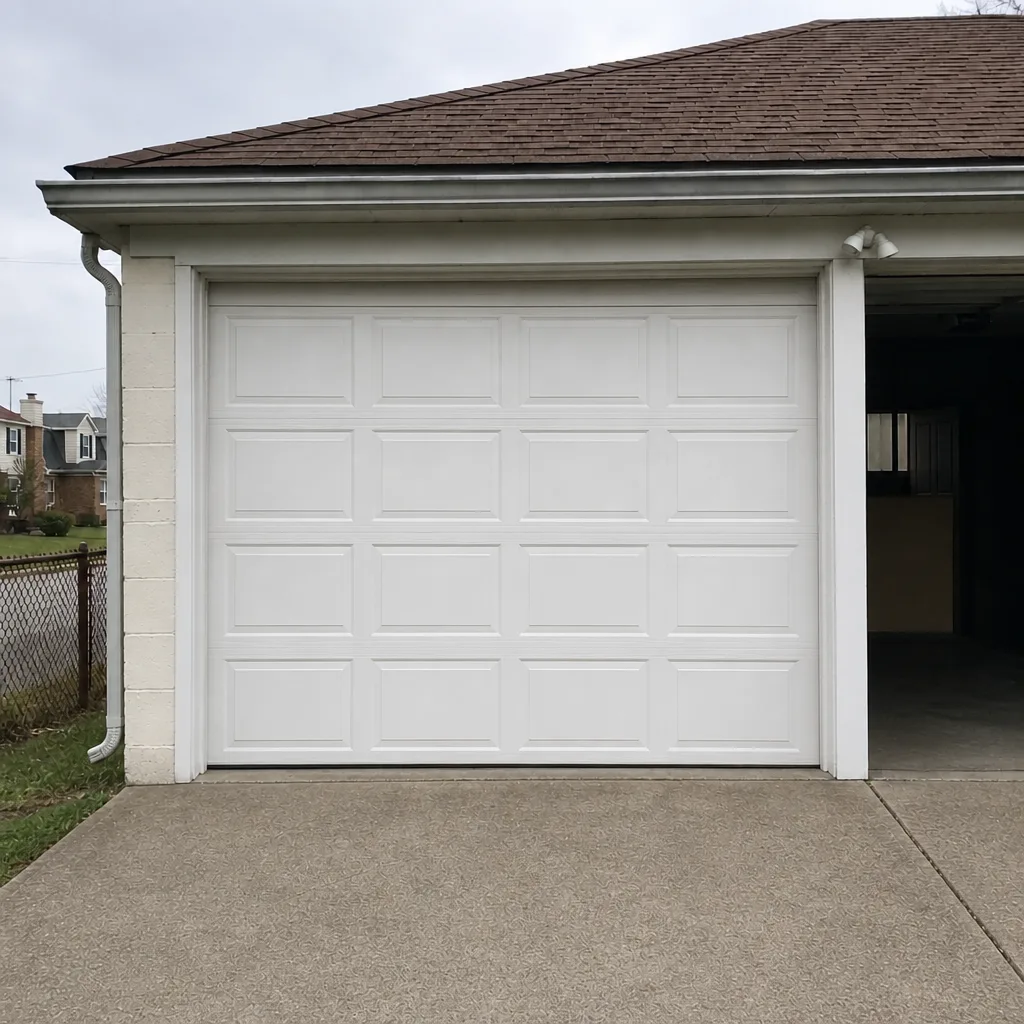
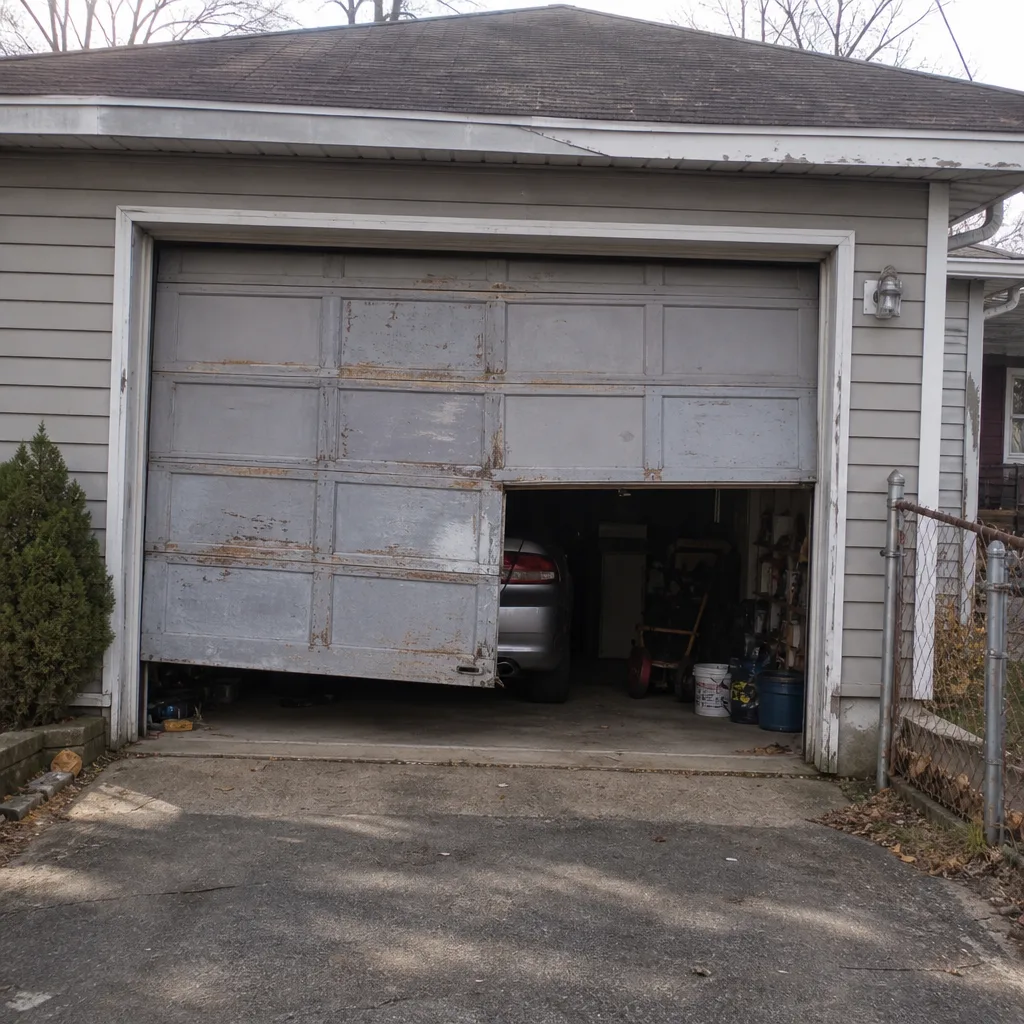
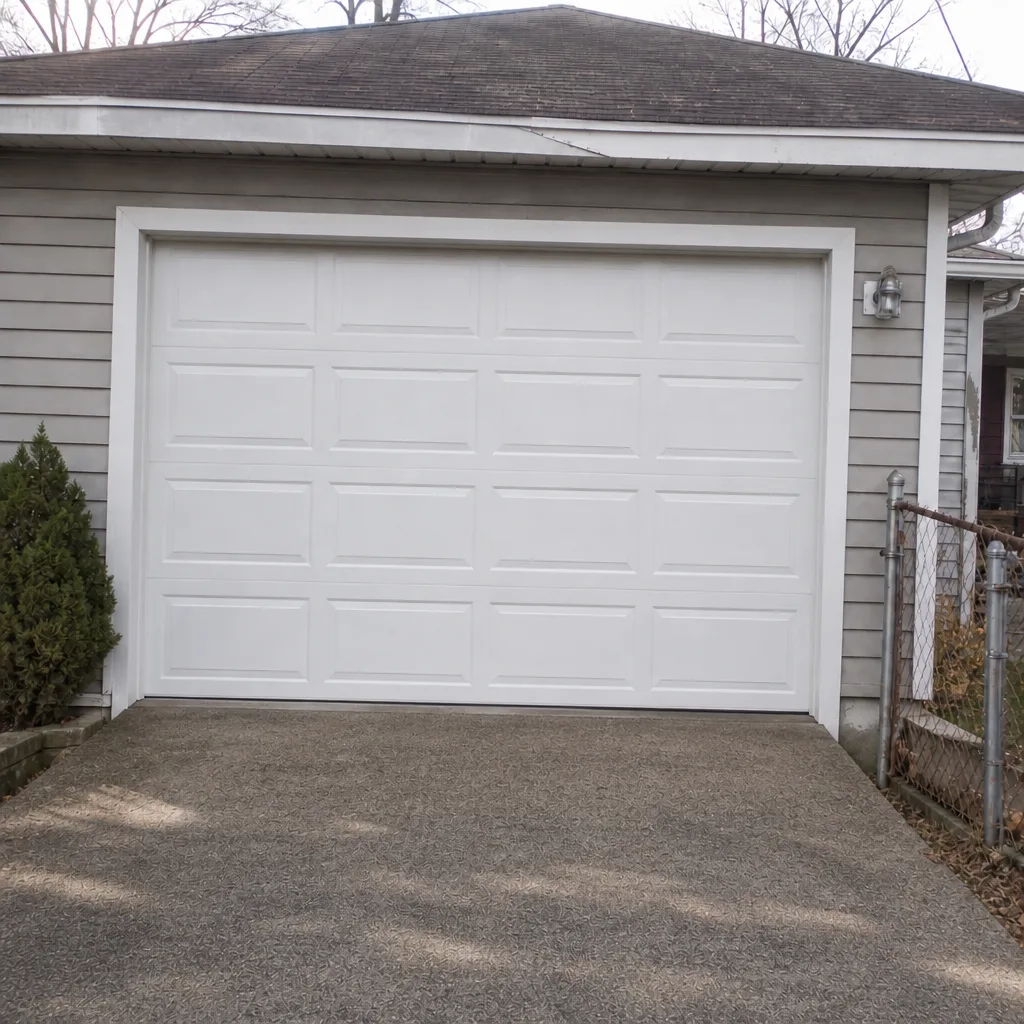
See the difference
 Before
 After
 Before
 After
 Before
 After
Frequently Asked Questions
Every 90 days for lubrication and a visual check, once a year for balance and force testing, and every 3 to 5 years for a professional assessment of springs, cables, and rollers. Allentown’s four-season climate with a freeze-thaw winter and humid summer makes the quarterly rhythm more important than a warm-climate household would need. The schedule isn’t a suggestion; it’s the difference between a spring that lasts 10 years and one that snaps at 7.
Yes, we offer emergency garage door service for situations where a failed door is a security or safety risk, and we dispatch fast and aim to resolve same-day. Call (866) 594-2373 and we’ll let you know our earliest window. If the door has snapped a spring, don’t try to force it open – the door is heavier than it looks without spring tension and it’s a real injury risk.
A typical garage door repair in Allentown runs from $180 to $480 depending on the component. A single spring replacement is around $180 to $340 for one spring; a matched pair is usually replaced together and costs about twice one spring. Opener repairs run $150 to $350. The written estimate is the price – we quote before any work starts, so the invoice matches the number you approved. Call (866) 594-2373 for an exact quote; estimates are free.
No. A torsion spring under tension holds enough stored energy to break a bone or worse if it slips while you’re working on it. Spring replacement and tension adjustment are the two tasks on this list that require a trained technician with the right winding bars and safety training. Anything else on the quarterly checklist – lubricating hinges, wiping down the track, cleaning the photo-eye lenses – is fair game. Springs are not.
White lithium grease on hinges, rollers, and spring coils before the first hard freeze is the best winter choice for Allentown. It stays on the moving parts through the cold and resists the moisture that comes with a Lehigh Valley winter. In summer humidity, switch the hinges to a silicone-based spray. Never use standard WD-40 on hinges or springs; it’s a solvent, not a lubricant, and it strips the grease you’re trying to keep in place.
Yes, on the components the manufacturer lists as maintainable. Regular lubrication, safety-reverse testing, and photo-eye cleaning are required tasks for most warranties on openers from LiftMaster, Chamberlain, and Genie, and on doors from Clopay, Amarr, Wayne Dalton, Craftsman, and Raynor. What voids a warranty is failing the required tasks, or attempting spring replacement, panel modification, or force-setting changes yourself. Keep the maintenance log; that’s what a warranty claim will need. Call (866) 594-2373 if you’re unsure of your manufacturer’s requirement; we’ll walk you through what’s covered.
The Bottom Line
Garage door maintenance isn’t one annual event; it’s a quarterly rhythm of small tasks, an annual set of tests, and a multi-year plan for the parts that wear on cycles rather than on a calendar. The quarterly checks catch the small stuff. The balance and force tests catch the spring and opener wear that would otherwise turn into a snap. The multi-year timeline tells you when a replacement beats another repair. If the Allentown seasons do anything to a garage door, they make each of those checkpoints more important than a generic national schedule would suggest. Keep the log, use the right lubricant, and call us before a warning turns into an emergency. From busted to brand-new, our team handles the full arc – garage door repair, garage door opener repair, and garage door installation.
Ready to schedule a maintenance visit or get a free estimate on a repair? Call (866) 594-2373 today.
Written by the team at Allentown Garage Door Repair Pros.