Last updated November 21, 2026
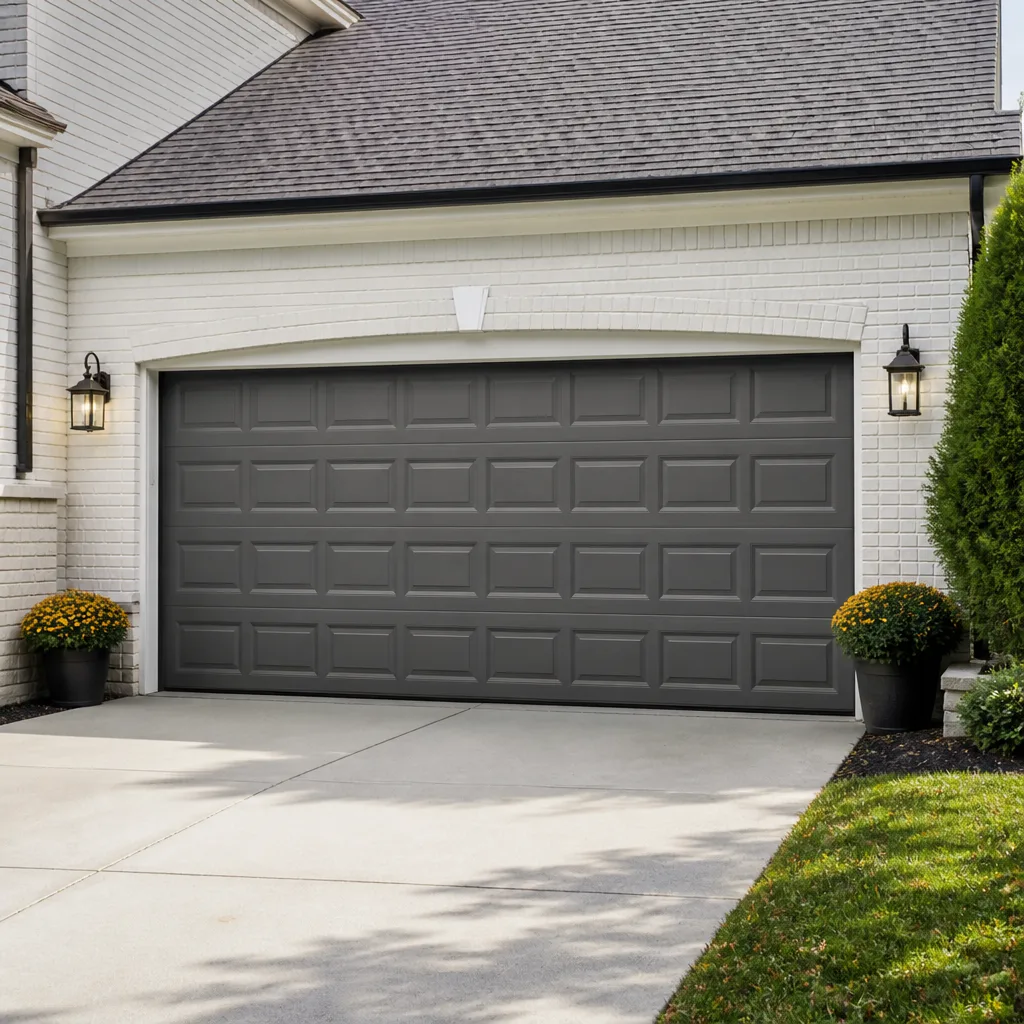 Raised-panel steel
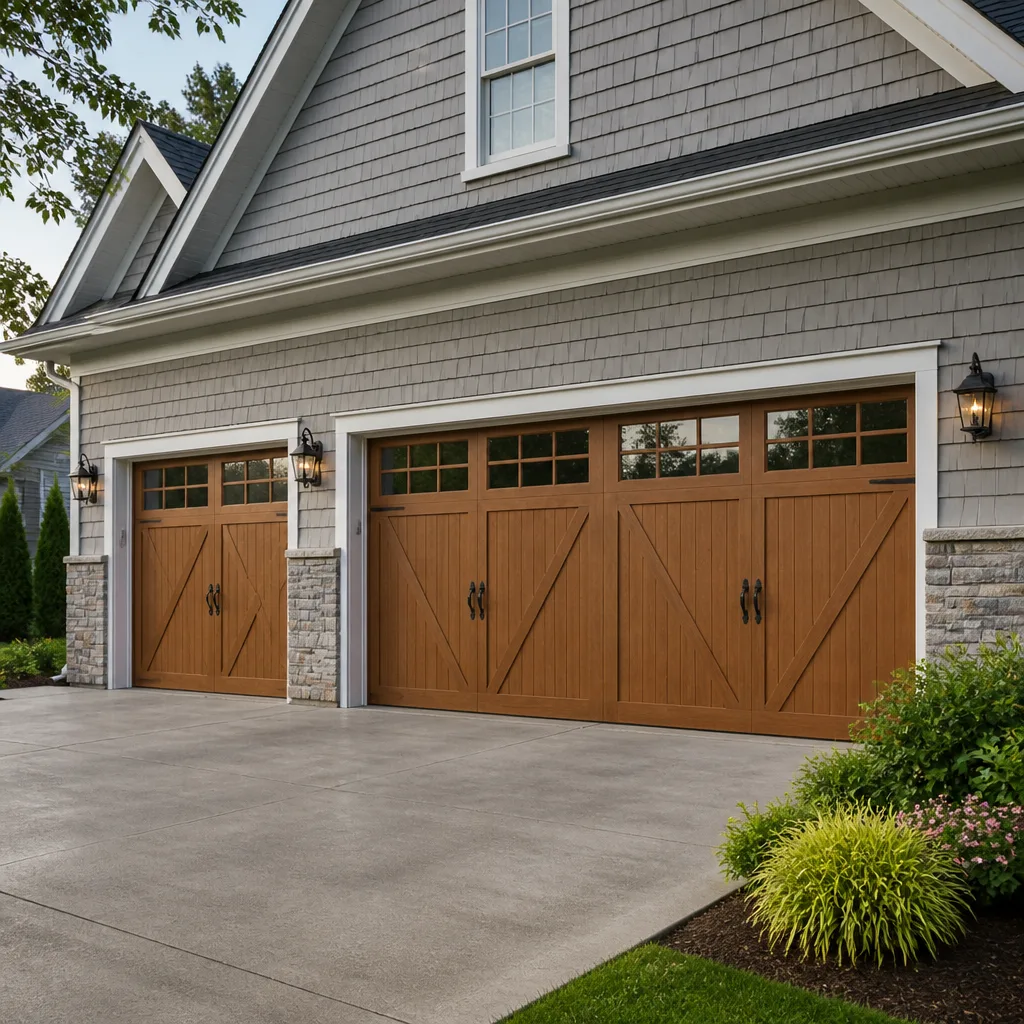 Carriage house
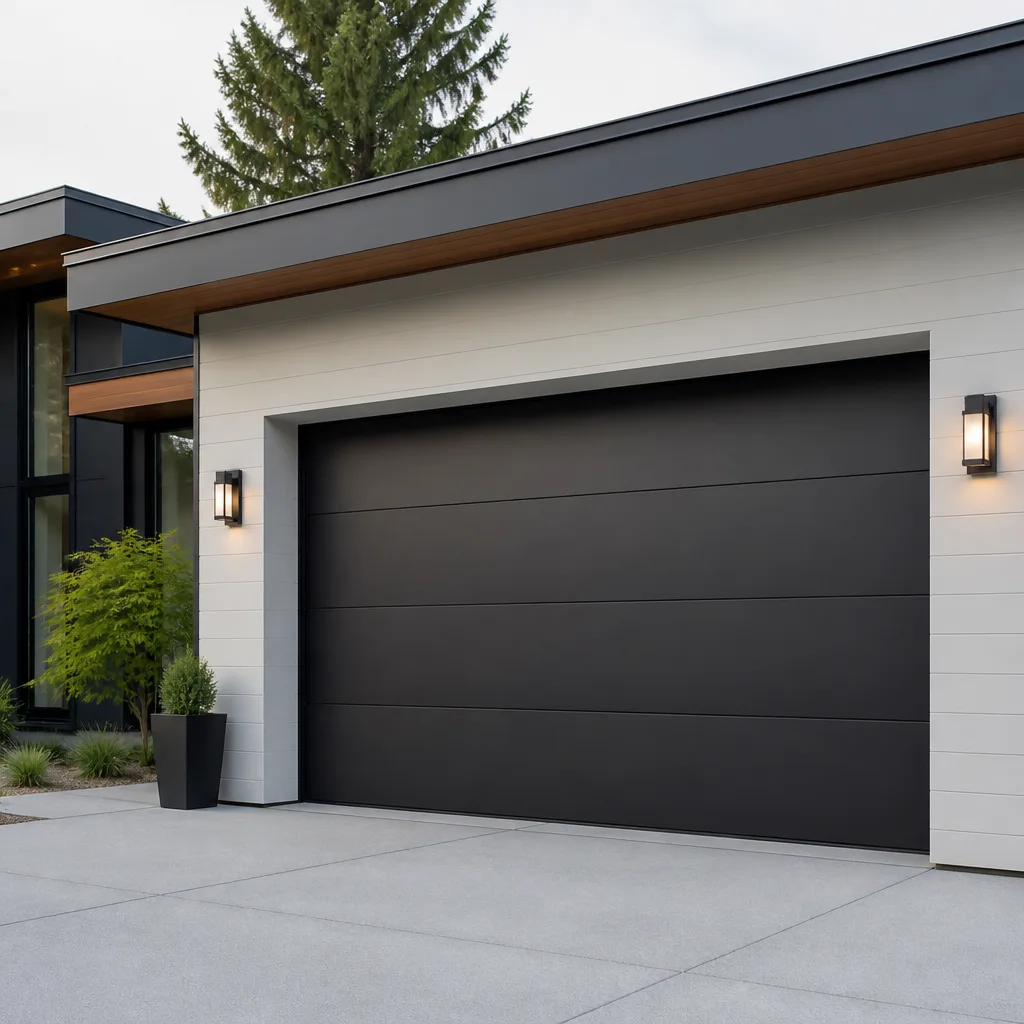 Modern flush
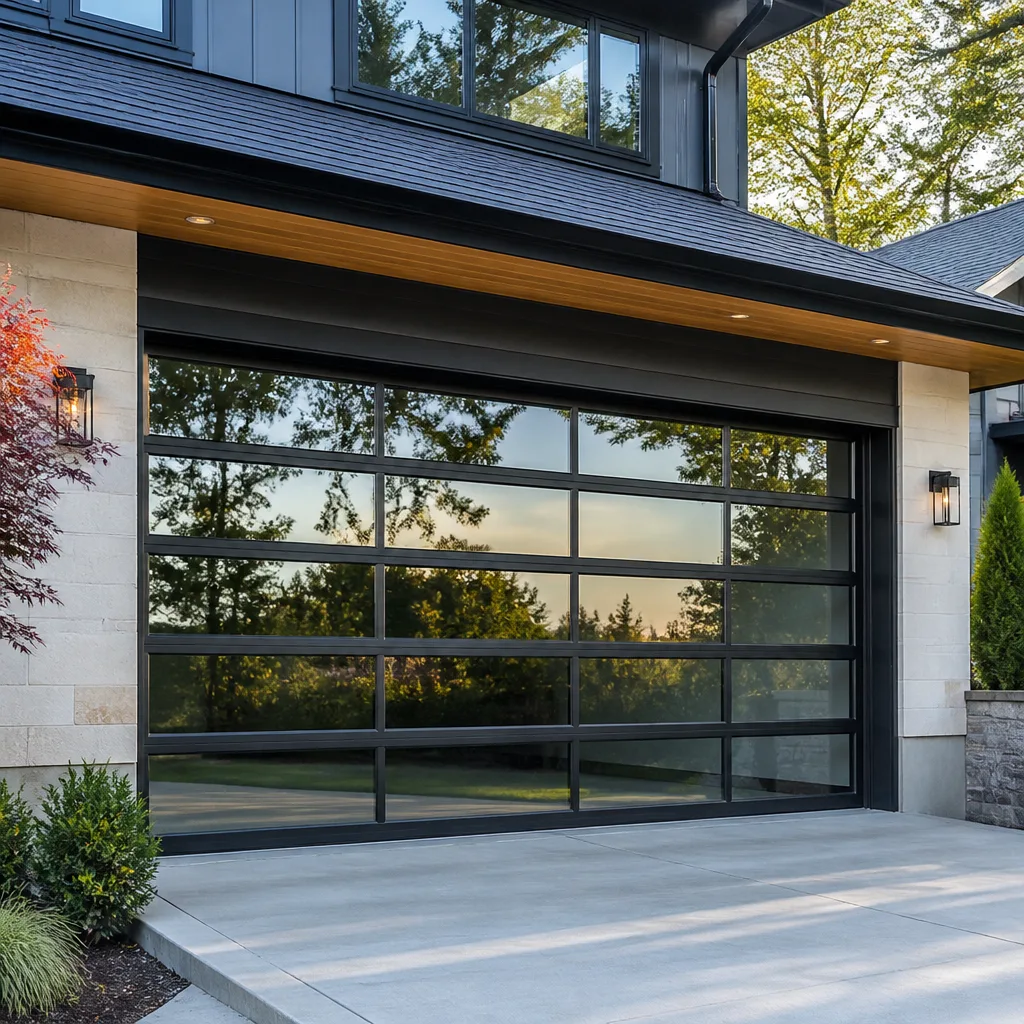 Full-view glass
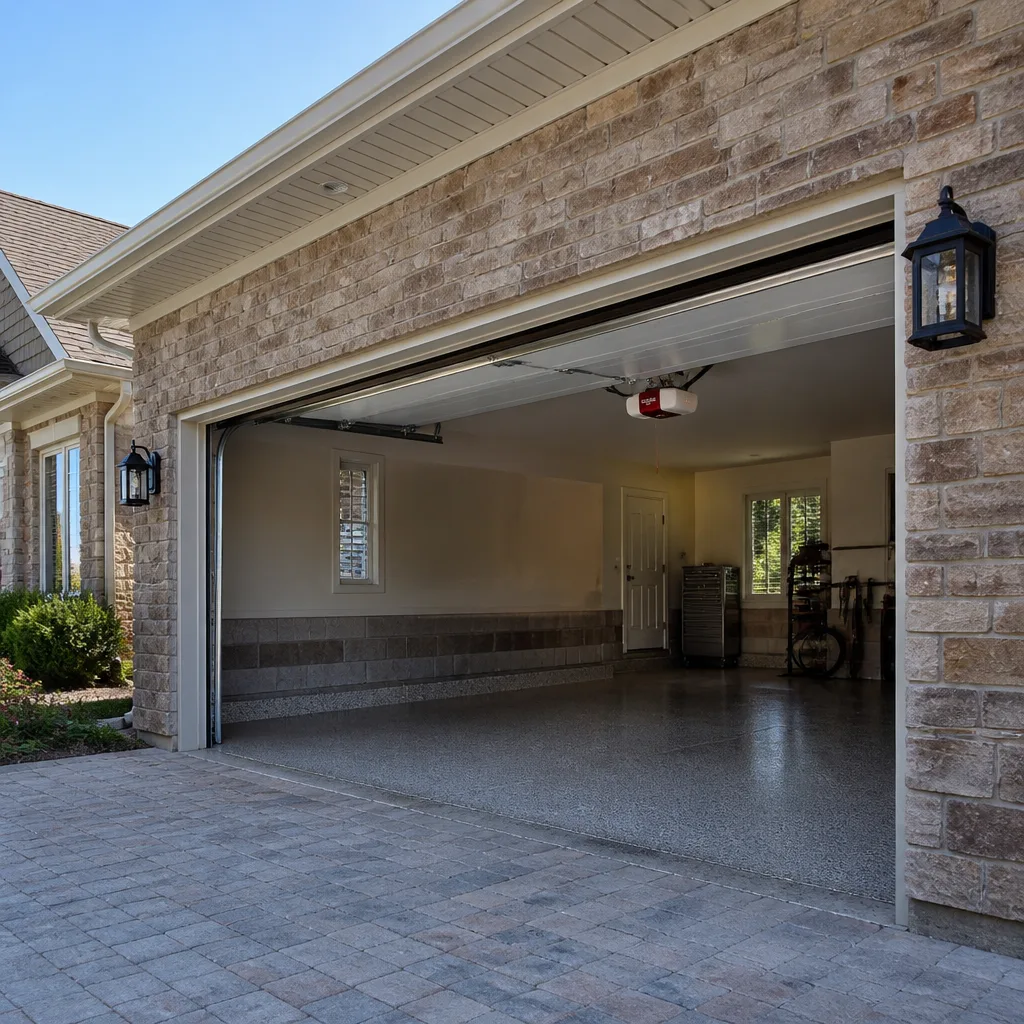 LiftMaster openers
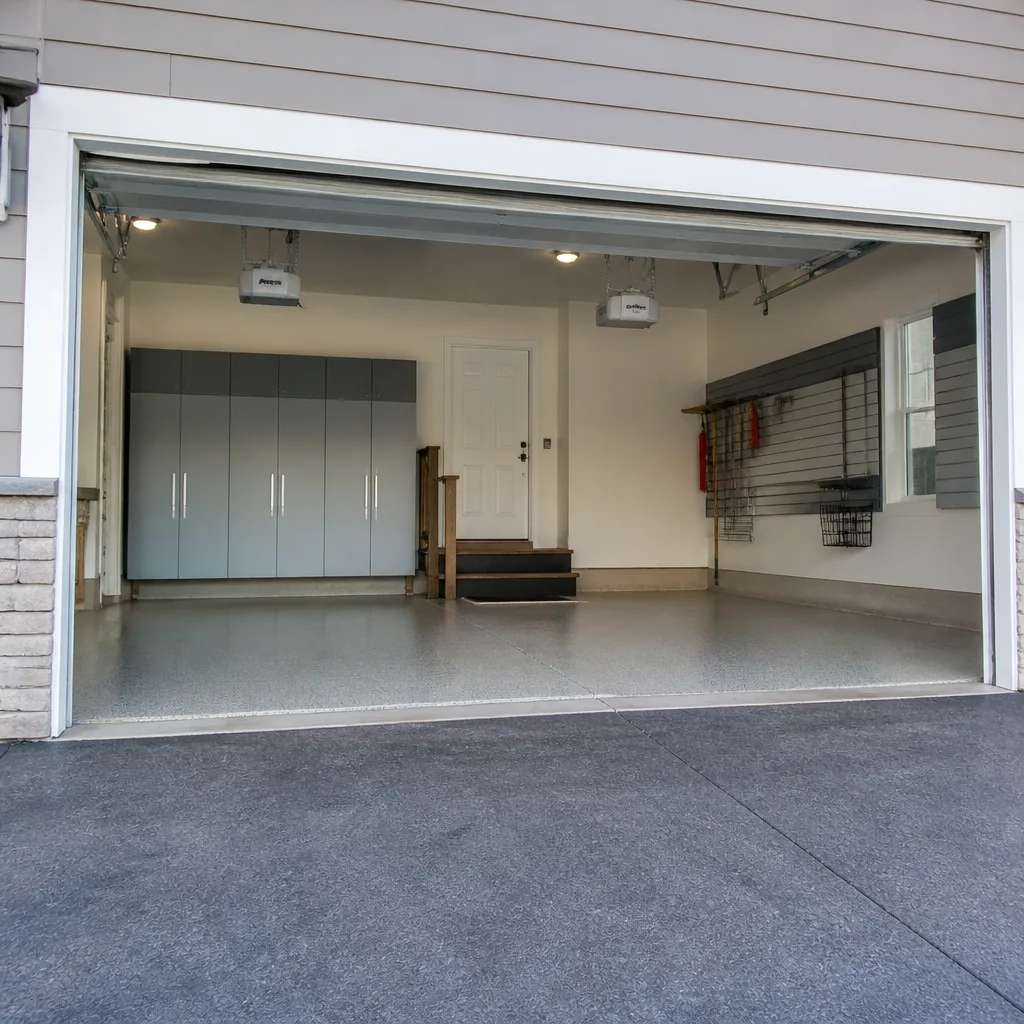 Chamberlain openers
Full 25-point door and opener safety check with every visit - springs, cables, rollers, tracks, and your LiftMaster or Chamberlain opener included
You get a price before we start. It does not change when the pro arrives.
Get your free estimateGarage Door Repair Troubleshooting in Allentown: Common Problems and How to Fix Them
The door that “just stopped working” overnight almost always gave three warnings in the previous week. Homeowners heard them, felt them underfoot or saw them in the mirror as they backed out, but didn’t know what they were hearing. That’s the gap this guide closes. A stiff spot that catches once at chest height, a rattle that shows up only when the door comes down, a light that flickers as the opener finishes its cycle – each of those points to a different part. Matching the symptom to the right cause is what separates a thirty-dollar fix from a service call that replaces hardware that was never the problem. We work on Allentown doors every day, and we’ve learned that a homeowner who can describe the failure accurately gets it fixed faster and cheaper.
Quick Answer
Most garage door failures fall into one of four buckets: springs and cables, the opener itself, the door’s track and balance, or the safety sensors. A door that won’t open at all is usually a spring, a dead opener or a sensor blocked with dirt or a bumped bracket. A door that opens partway and stops is usually a broken spring, a binding track or a limit switch that’s out of adjustment. Anything involving a torsion spring, a frayed cable or a door that hangs crooked is not a homeowner job – call a trained technician. In Allentown, the freeze-thaw cycle between late fall and early spring makes metal, lubrication and sensor alignment fail in predictable ways.
Styles & brands we work with
- Raised-panel steel
- Carriage house
- Modern flush
- Full-view glass
- LiftMaster openers
- Chamberlain openers
Table of Contents
- Start With the Symptom: The Diagnostic Tree
- What’s Safe to Check Yourself – and What Isn’t
- How Allentown’s Freeze-Thaw Cycle Breaks Garage Doors
- Opener Problems That Get Misdiagnosed as Mechanical Failures
- How to Describe the Problem So the Right Part Shows Up
- Brand Matters More Than You Think
- What Repair and Replacement Typically Cost in Allentown
- Simple Maintenance That Prevents Most Failures
Start With the Symptom: The Diagnostic Tree
The fastest way to a correct diagnosis is to stop asking “what’s wrong with the door” and start asking “what exactly did the door do.” Two doors can look identical from the curb and have completely different problems underneath. Matching the symptom to its most likely cause narrows the list before anyone touches a wrench. Here’s the tree we run in our heads when we arrive at a home in Allentown.
- Won’t open at all, no sound from the opener. Most likely: no power to the opener, a tripped wall switch, a dead logic board, or the manual release has been pulled and the door is disengaged from the trolley.
- Opener hums but the door doesn’t move. Most likely: a broken torsion spring or a stripped nylon gear inside the opener. Both are common and easy to confuse.
- Opens a foot or two, then stops. Most likely: a broken spring on one side, a track that’s bent or clogged, or a travel limit switch set wrong.
- Closes, then reverses immediately. Most likely: the safety sensors are misaligned, dirty, or the down-force setting is too low. Occasionally a hard bind in the track triggers a reversal.
- Grinding, scraping or a metal-on-metal noise. Most likely: dry or worn rollers, a bent track, or a torsion tube with dry bearings.
- Sags or hangs crooked. Most likely: a broken spring on one side, a stretched cable, or a hinge pulling loose from the panel.
- Shakes and rattles hard when it moves. Most likely: loose hinge bolts, worn rollers, or the door has come slightly out of balance.
Notice that springs come up in four of those seven. That’s not a coincidence. Springs carry the entire weight of the door – a double-car door can weigh a couple hundred pounds and the springs do the lifting. When one fails, the door does something slightly different depending on whether it’s a torsion or extension setup, but the family of symptoms will feel familiar. For a full walkthrough of what spring failure looks like and why we treat it as a specialty, see our garage door repair service page. And if the symptom is “the door does nothing and the light on the opener blinks,” skip ahead to the opener section.
What’s Safe to Check Yourself – and What Isn’t
Some failures are safe to inspect. A few are genuinely dangerous, and the danger is not obvious from the outside. The distinction matters because torsion springs hold stored energy for the life of the door – and if one breaks under load, the shock travels through the cable, the drum and the bracket into whatever is nearby. Cable and bracket hardware can let go with enough force to cause serious injury. We’re not saying that to scare anyone. We’re saying it because every technician we know has seen a homeowner attempt a spring replacement and end up at the emergency room.
Safe to check yourself:
- The wall switch and any remote batteries.
- The photo-eye sensors at the bottom of each track – wipe the lenses clean, check that the small LED on each is lit and steady, and make sure neither bracket got bumped out of line.
- The manual release cord – pull it once to see if the door is disengaged from the opener. Re-engage before testing.
- Rollers, hinges and bolts – a visual inspection for cracks or loose hardware is fine.
- The door balance test: with the door closed and the opener disengaged, lift the door about halfway and let go. A well-balanced door stays put. A door that drops fast or won’t lift is out of balance and needs a technician.
Not safe – call a technician:
- Torsion springs, extension springs, or anything involving the spring bars and drums.
- Cables, cable drums and the brackets that hold them – a slack cable under tension is one of the most dangerous things in a garage.
- The bottom bracket and its lift cable attachment point.
- Anything that requires loosening the track with the door under spring tension.
For a broken spring specifically, the safest next step is to leave the door closed if you can and stop cycling the opener. Running an opener on a broken spring can strip the gears and turn a single-part repair into two. When you’re ready for a fix, our Allentown Garage Door Repair Pros team can walk you through what to expect.
How Allentown’s Freeze-Thaw Cycle Breaks Garage Doors
Allentown gets real winter and real summer, and the swing between them does more damage to garage doors than any single storm. A typical February has days that push above freezing and nights that drop well below it – and every one of those transitions moves the metal of the door slightly. Metal expands in the warm part of the day and contracts at night. Over a season, that’s hundreds of small cycles. The hardware bolted to a door that’s constantly changing size has to absorb them.
What we see fail on a seasonal schedule:
- Late fall: roller bearings dry out, grease in the opener’s gear case thickens with the cold and the door starts moving slower than it used to. Lube that worked in July isn’t doing its job in November.
- Deep winter: a cold snap is when most torsion springs fail. Cold metal loses some of its resilience, and a spring that was near end of life gives up on the coldest morning of the year. A door that “sounded fine” in October suddenly won’t lift.
- February thaw: meltwater from the roof runs across the door’s bottom panel and refreezes at night, sticking the door to the threshold. The opener pulls harder, the force setting gets pushed, and eventually the door binds or the seal tears.
- Spring: everything that loosened over the winter reveals itself. Bolts have backed out, hinges are crooked, tracks have shifted. This is the season for the “why does my door rattle” call.
- Summer heat: metal panels expand and the door can bow slightly, which throws off alignment and starts rubbing in the track. Synthetic rollers soften and flatten.
If you want to stay ahead of this, service the door in late fall – clean and lubricate the rollers, hinges, bearings and the opener’s rail, and check the balance. A door that’s balanced and lubricated in October is far less likely to fail in January. Allentown homes with doors facing west take more direct afternoon heat in summer and more freeze-thaw drama in winter, because the sun does the warming that sets up the overnight contraction.
Opener Problems That Get Misdiagnosed as Mechanical Failures
Plenty of dollars get spent replacing perfectly good doors because an opener was set wrong. Two settings on every opener do most of the heavy lifting and get blamed for most of the mystery: the travel limit switches and the force adjustment. Learning what these do will save a homeowner a surprise.
What the limit switches do: on every opener, two screws or dials tell the motor where to stop on the up cycle and where to stop on the down cycle. If the up limit is set too high, the door pushes against the header and strains; if it’s set too low, the door stops a foot short of fully open and the homeowner assumes the spring is weak. If the down limit is set too high, the door doesn’t quite reach the floor and the gap lets cold air and small animals through.
What the force setting does: the opener’s force adjustment tells the motor how hard it can push before giving up. Set too low, the door reverses halfway down. Set too high, the opener will keep pushing through a bind it should have detected – and that’s when gears strip and tracks bend.
Both settings sit on the back or side panel of the opener housing and are usually accessible with a small screwdriver. Adjusting them is rarely the right fix for the underlying issue, though. A door that’s suddenly reversing is usually a sensor problem or a bind, not a force setting that changed on its own. Using the force setting to push through a real bind is how a low-cost fix turns into an garage door opener repair bill you weren’t expecting.
Other opener problems that get misread:
- No response to a remote but the wall switch works. Remote batteries, or the opener’s radio board has lost the programming – re-pair the remote, and if it drops off again, the board is going.
- Opener runs but the door doesn’t move. A stripped nylon drive gear inside the opener – common on older Genie and Craftsman units, and the fix is usually a gear kit rather than a new opener.
- Door reverses on the way down when the sun hits the sensor. Direct sunlight flooding a photo-eye lens shuts the door down halfway. A small sun shield on the sensor bracket can fix it.
- Opener light flickers and the door runs erratically. A loose logic board connection or a power supply wearing out.
- Chain or belt hangs loose. The tensioner has backed off or the rail is out of alignment.
If the opener is beyond economical repair, we can replace it – we work on LiftMaster, Chamberlain, Genie and Craftsman openers and can match a new unit to the door you already have. See garage door installation when the opener calls come along with door replacement.
How to Describe the Problem So the Right Part Shows Up
The most underrated skill in garage door repair is a good description. When a technician arrives with the right parts the first time, the job usually wraps in a couple hours. When the description was “it’s broken” and the tech shows up with a multi-tool and a van full of possibilities, the visit costs more and the customer waits longer. Here’s how to write a description a technician can actually act on.
- Write down what the door does, not what broke. “The door opens about two feet and stops, and the opener still hums” tells the tech more than “I think the spring is bad.”
- Note when it started. Last night? After the cold snap? After the power went out? After someone backed into the door frame? Timing narrows the cause dramatically.
- Describe any sound. Grinding, popping, a single loud bang, rattle, squeak. Words matter – “a bang followed by silence” points to a spring; “a slow grinding” points to rollers or bearings.
- Say whether the opener runs. Listen with the door disengaged if you can do it safely. “Hums but no motion” and “nothing at all” are entirely different repair paths.
- Report the door’s position. Fully closed and stuck, hanging open, sitting crooked, resting on the ground with a slack cable.
- Note the brand and model if you can see it. Genie, Chamberlain, LiftMaster and Craftsman all print the model on the opener housing. Clopay and Amarr doors have a plate on the inside of the top panel.
- Mention the door type. Single-car or double, sectional or one-piece, torsion or extension springs. A photo of the spring and drum, taken from the doorway, is worth more than five sentences.
When you call, tell whoever answers all of that. At our end, we use it to load the truck with the right springs, rollers or opener parts and dispatch a specialist. It’s how we keep “same door, same day” realistic for the urgent calls – especially the ones where the car is trapped inside a garage on a Monday morning in Allentown.
Brand Matters More Than You Think
Garage doors and openers aren’t one universal design. A Clopay door has different hinge geometry and panel sizing than a Wayne Dalton door of the same width. A LiftMaster opener’s travel limits are set with a completely different sequence of button presses than a Genie’s. When a homeowner calls a handyman who “does garage doors on the side,” the first thing that happens is a brand mismatch – and the second thing that happens is a return visit with the right parts. That’s the runaround.
We work on your brand. Our technicians are set up to diagnose and repair across eight major garage door and opener brands, including Genie, Clopay, Amarr, Wayne Dalton, LiftMaster, Chamberlain, Craftsman and Raynor. That means when you describe a Wayne Dalton door with a torsion setup and a rattle, we know what typically fails in that arrangement and how to source the parts. It means a Genie opener that’s stuck in reverse doesn’t turn into a replacement recommendation. And it means when you’re ready for a new door, we can walk you through the trade-offs between the brands instead of steering you toward whichever one happens to be in the truck that day.
If you’re not sure what brand you have, that’s fine. Take a photo of the inside of the door panel and the opener housing. We’ll identify it from the photo. If it’s a brand outside our list, tell us up front – we’d rather tell you on the phone than waste your afternoon.
What Repair and Replacement Typically Cost in Allentown
Specific numbers, not “it depends.” In Allentown, garage door repair costs vary widely by symptom, but a few jobs make up most of the calls. These are typical ranges from what we see in this market. The written estimate you get after the technician looks at the door is the price that stands – it’s quoted and agreed before any work starts.
- Torsion spring replacement (one spring): $180-$340
- Torsion spring replacement (matched pair, recommended): $330-$620
- Extension spring replacement (one spring): $140-$260
- Cable replacement (per side): $150-$280
- Roller replacement (per door, all rollers): $120-$240
- Track realignment or replacement (per section): $140-$320
- Opener repair (gear kit, logic board, sensor): $150-$380
- Opener replacement (unit and install): $380-$750
- Panel replacement (per panel, standard size): $250-$520
- Full door replacement (single-car, installed): $1,100-$2,400
- Full door replacement (double-car, installed): $1,800-$4,200
Two things to note. First, when a torsion system breaks, both springs are usually replaced together – springs wear on a schedule and the remaining one is close behind, so a matched pair is a single visit instead of two. Second, a full door replacement involves measurement, ordering and scheduling, so the timeline is days rather than hours. That’s a different kind of job from a repair and the pricing above reflects it. If your door is beyond repair – cracked panels, a bent track no one can straighten, a frame issue – the replacement is often the cheaper path over a couple of years.
For an exact quote, call us. We give free estimates and we don’t give a range on the phone and then show up with a different number.
Simple Maintenance That Prevents Most Failures
Most garage door failures don’t come out of nowhere. They come from a small set of maintenance items skipped for a year or two. The good news is that a homeowner can handle all of them without touching the dangerous parts, and the whole routine takes about twenty minutes twice a year.
- Lubricate the moving parts. Rollers, hinges, the torsion tube bearings and the opener’s rail. Use a garage-door-specific lubricant, not WD-40, which attracts dust rather than lubricating. Twice a year – once before winter, once in spring.
- Test the safety sensors monthly. Open the door to head height, put a small box or broom under the path, and hit the close button. The door should reverse. If it doesn’t, the sensors need attention before anything else.
- Run the balance test. Disconnect the opener, lift the door halfway, let go. It should stay where you leave it. A door that drops or won’t lift needs a technician – the spring tension is off.
- Clear the tracks. A shop vac and a dry rag on the verticals and the horizontal rails. Dirt and dried grease are the two biggest causes of a door that binds.
- Check the weather seal. If the bottom seal has hardened and cracked, it’s letting water in and you’re more likely to get a freeze-stuck door in January.
- Tighten visible bolts – gently. The hinges and the track brackets. Don’t over-tighten, since the metal is thinner than it looks.
- Keep the garage door opener’s manual. If a remote stops working, you’ll need the brand and model number to re-pair it.
Every fall in Allentown, a quick tune-up before the first freeze prevents a surprising number of winter failures. The cost of an hour of preventative work is far less than the cost of an emergency call in January with a car trapped inside.
Common Mistakes to Avoid
- Running the opener on a broken spring. The motor doesn’t know the spring is gone – it keeps pushing, strips the drive gear, and turns a spring-only repair into a spring-plus-opener repair. Stop cycling the door and call.
- Adjusting the force setting to fix a bind. A door that reverses is telling you it hit a problem. Turning up the force silences the message and lets the opener keep pushing until something harder to undo breaks.
- Using WD-40 as garage door lubricant. It’s a solvent, not a lubricant. It thins the grease that’s already on the rollers and makes the next dry season worse. Use a garage-door-specific spray.
- Pulling the manual release while the door is up. A door that’s been disconnected from the opener and is under spring tension can slam down. Only pull the release with the door fully closed.
- Ignoring a slack cable. A cable that’s drooping off the drum is a warning sign, not a style choice. If it lets go it can whip across the garage with enough force to break a window or worse.
- Calling a handyman who “also does” garage doors. There’s a reason specialists exist for this trade – the parts, the safety protocols and the brand knowledge are not something you pick up on other jobs. A return visit costs more than doing it right the first time.
- Waiting for the door to fail completely. A door that rattles in November will usually break by February. Booking a maintenance visit when you first notice the sound saves the emergency premium.
See the difference
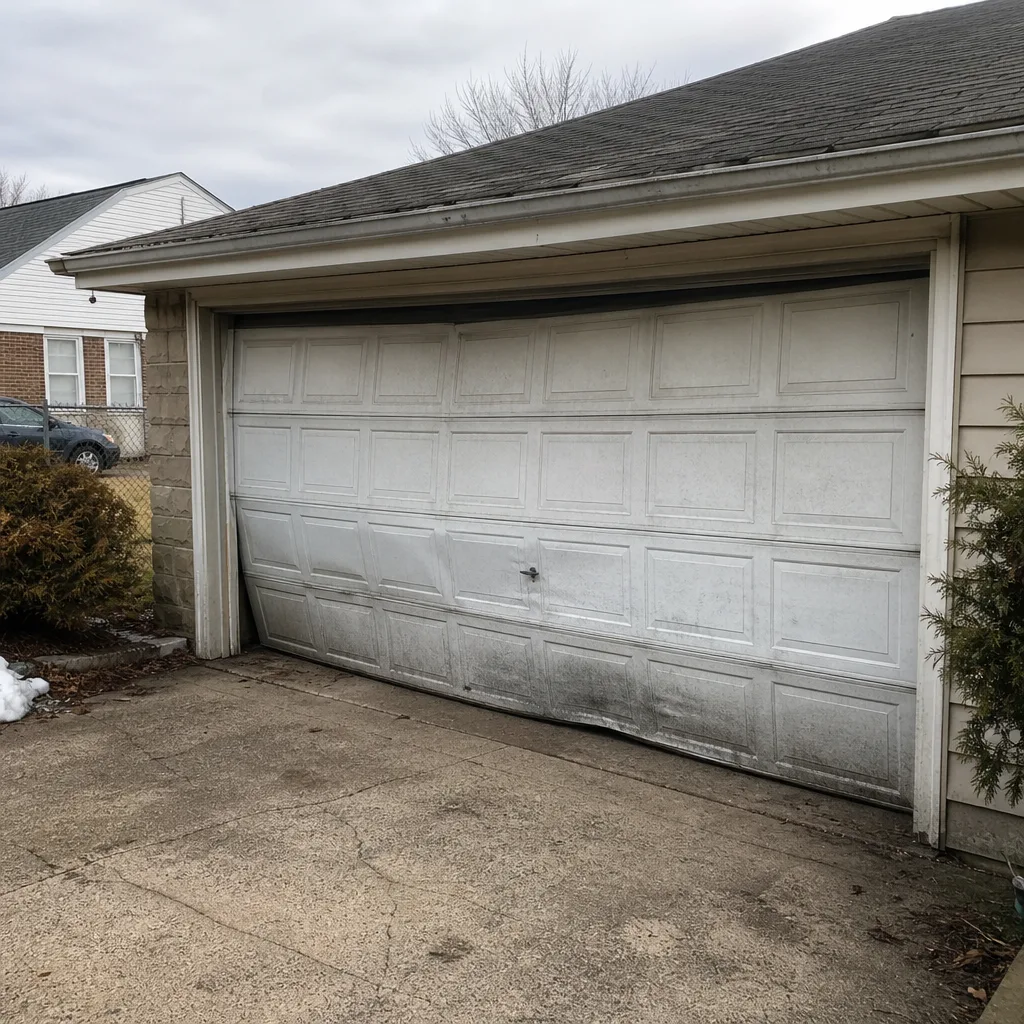 Before
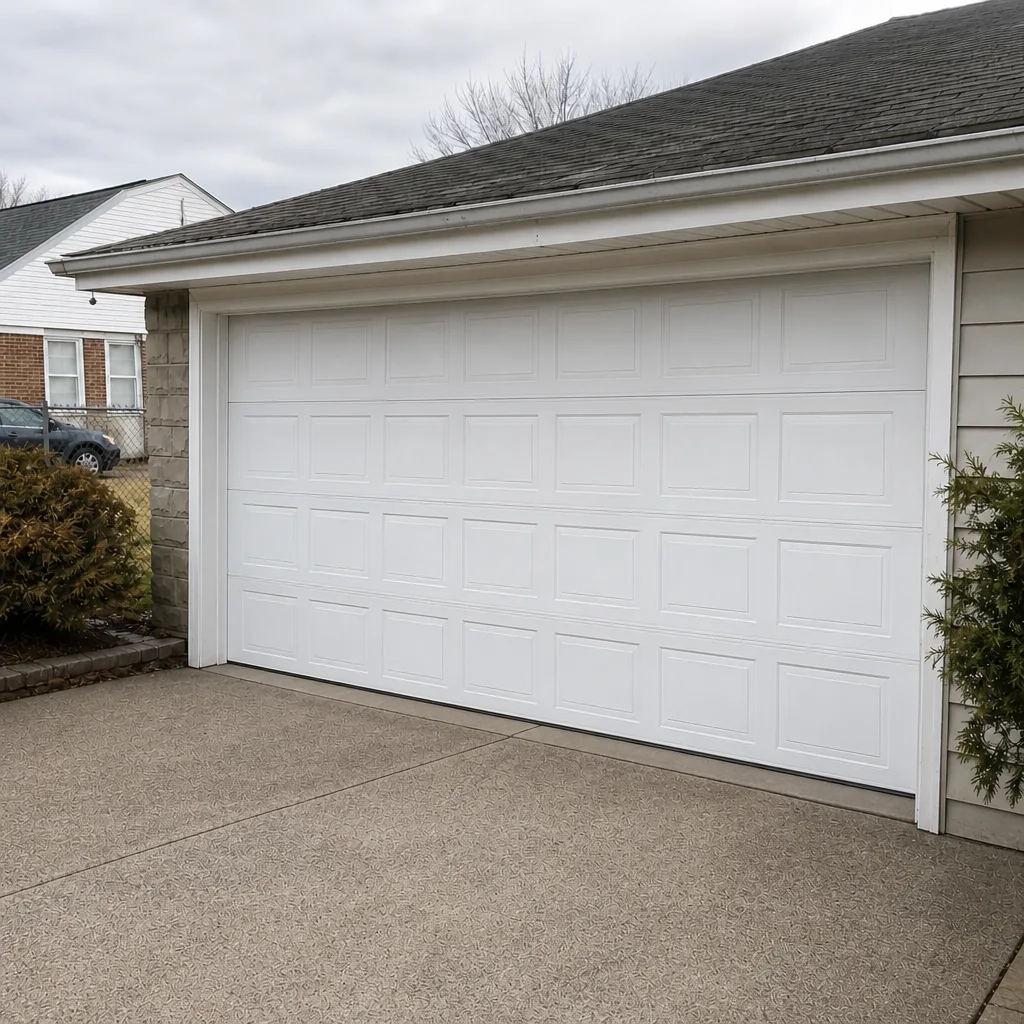 After
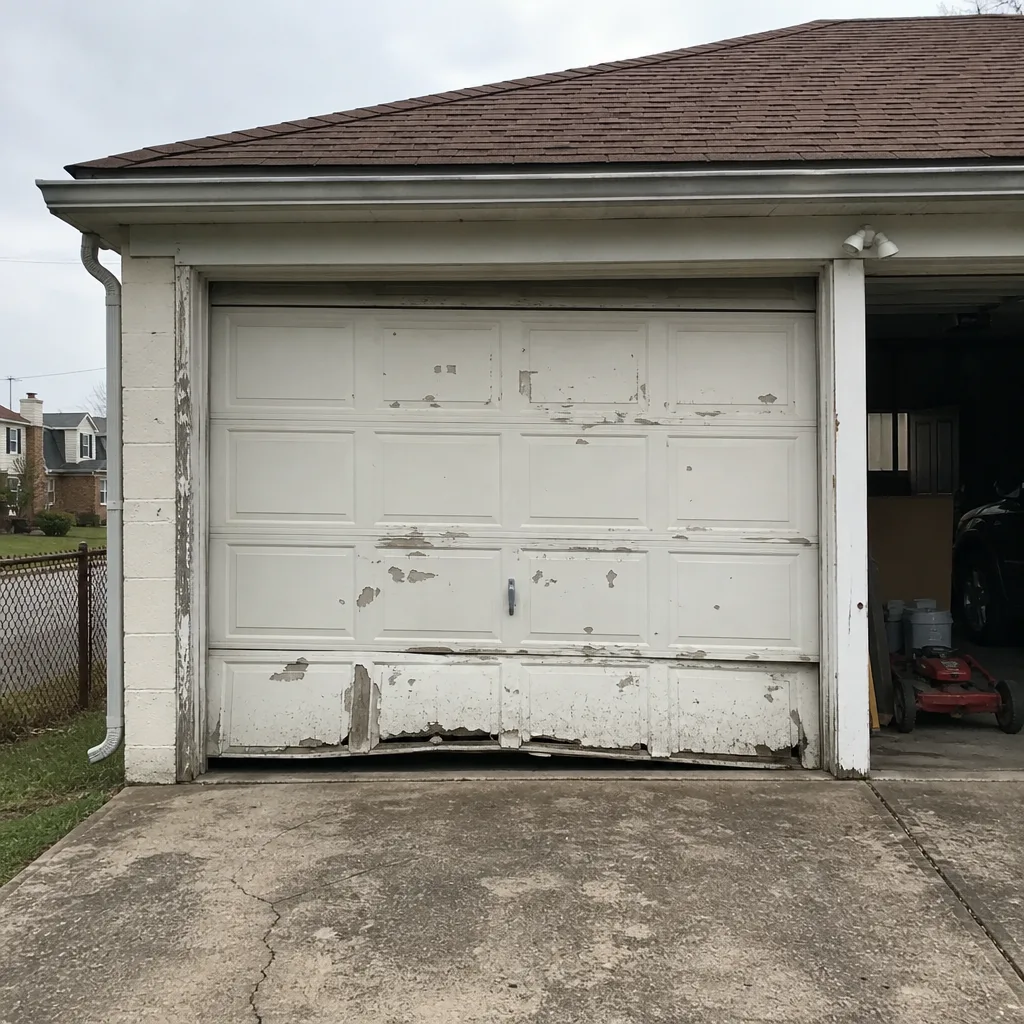 Before
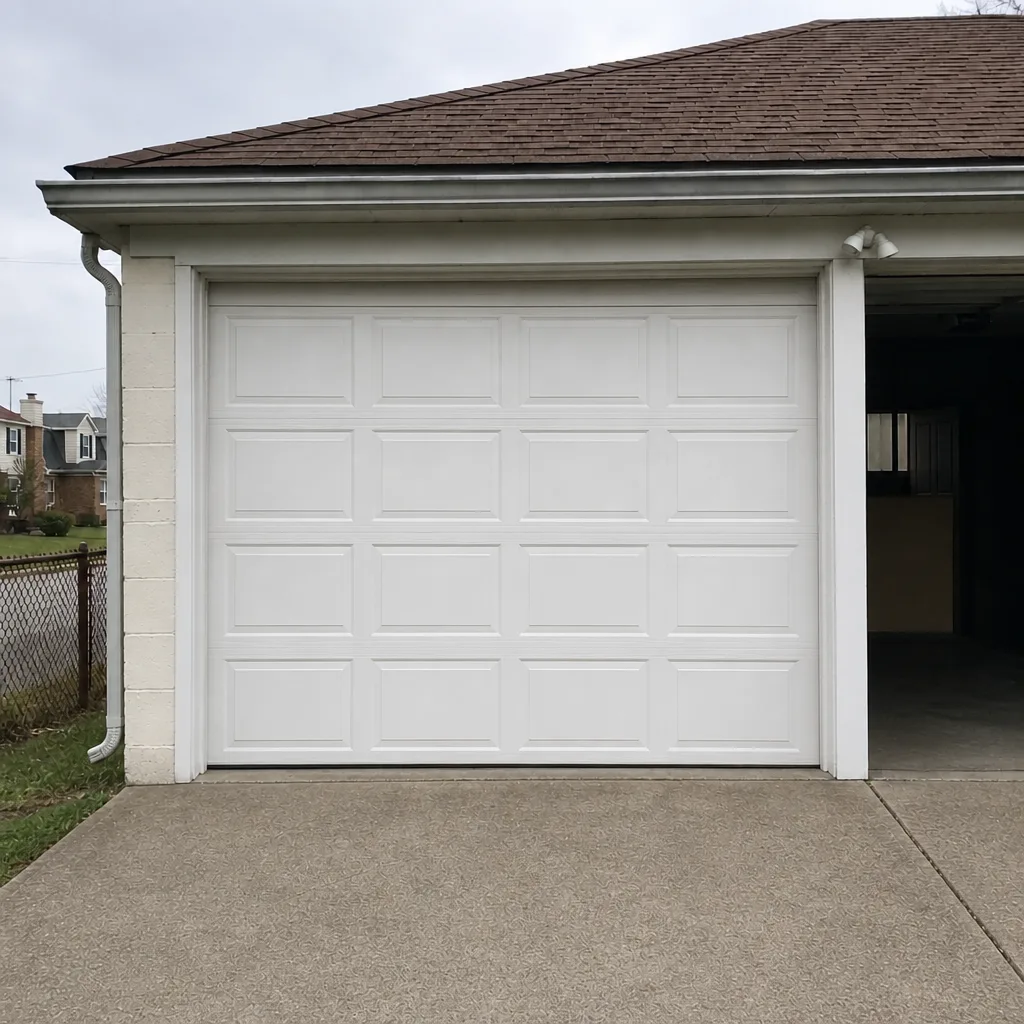 After
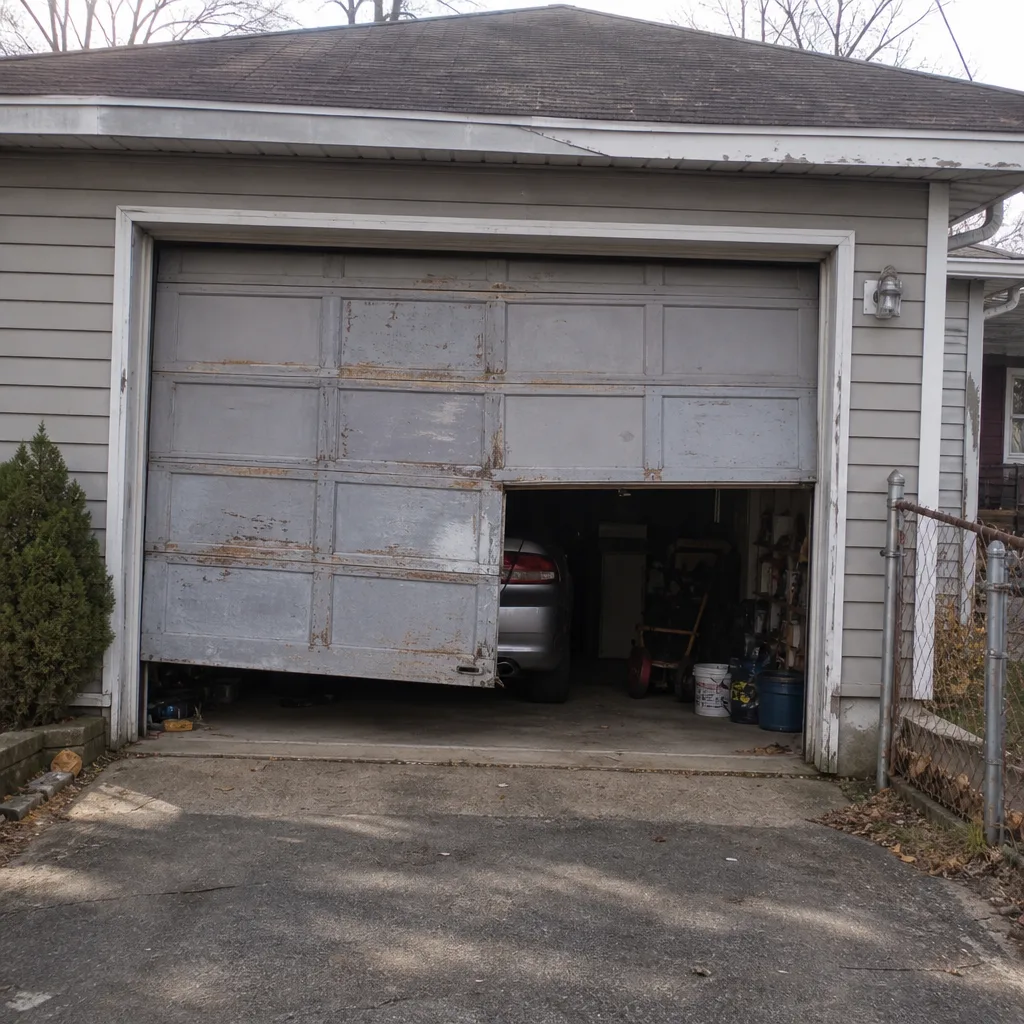 Before
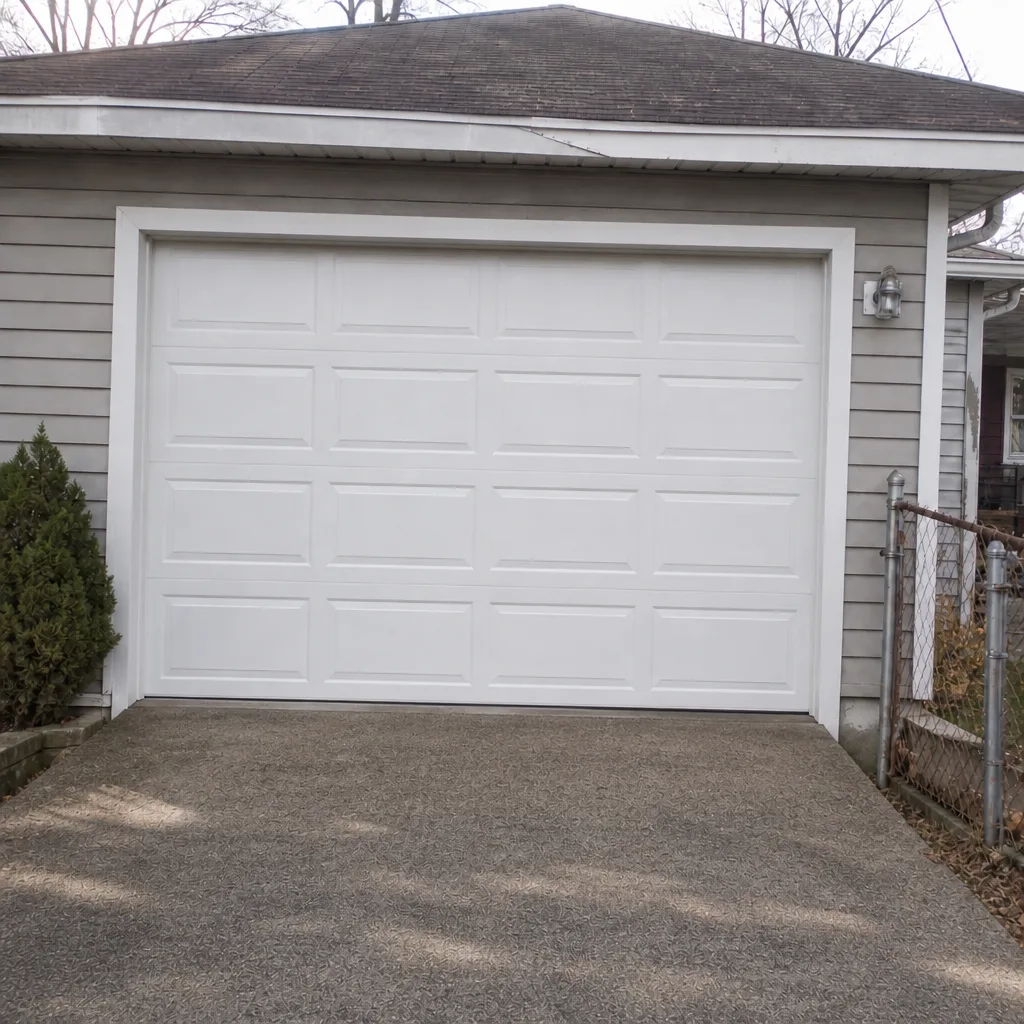 After
When to Call a Professional
Some problems belong in a homeowner’s hands and some don’t, and the line is clearer than most people think. Call a professional immediately if the door won’t move at all and you suspect a broken spring, if a cable is slack or off its drum, if the door hangs crooked, if the bottom bracket is loose, if the door closes on the ground with a visible gap on one side, or if you’ve hit a bind in the track that adjusting the force setting doesn’t resolve. These are the failures where the parts under tension can move with force and where the risk to a homeowner is real. Also call if your opener’s problem turns out to be a relay, logic board or gear drive – these are diagnosable but not usually fixable without a specialist.
Allentown Garage Door Repair Pros offers free estimates in Allentown – call (866) 594-2373. Our technicians have up to 11 years of experience and we work on the major brands you’re likely to have in your garage.
Frequently Asked Questions
Torsion spring replacement in Allentown typically runs $180-$340 for one spring, and $330-$620 for a matched pair, which is usually the right call since both springs wear on the same schedule. Extension springs run less, around $140-$260. The written estimate from the technician is the final price, and it’s quoted before the work starts. Call (866) 594-2373 for an exact quote – estimates are free.
We offer emergency garage door service for situations where a failed door creates an immediate safety or security risk – a car trapped inside, a garage left open, a door hanging off a track. Response time depends on the day and the schedule, but urgent calls get priority. Call (866) 594-2373 and describe exactly what the door is doing – the description helps us load the right parts before we leave.
No. The written estimate we agree on before any work starts is the price. If the technician discovers something new while on site – a second broken part, an opener that’s failed along with the spring – you’ll get a revised quote before that additional work begins. You won’t get a surprise invoice. Call (866) 594-2373 for a free estimate.
The local pro we connect you with is licensed and insured as Pennsylvania requires for garage door work. We recommend asking for proof of insurance on arrival if you want the comfort of seeing it, which is a reasonable request. Call (866) 594-2373 with any questions about credentials before booking.
The most common cause is a misaligned or dirty safety sensor at the bottom of one of the tracks – wipe both lenses and check that each small LED is lit and steady. If direct afternoon sun is flooding one sensor, that can also trigger a false reverse on a sunny Allentown afternoon. If sensors check out and the door still reverses, it’s usually a bind in the track or a force setting that’s been pushed too low, and that needs a technician. Call (866) 594-2373 to book a diagnosis.
Repair is usually the answer when the panels, tracks and frame are sound and the problem is hardware – springs, rollers, cables or the opener. Replacement makes more sense when panels are cracked or heavily dented, when the track has been bent in more than one place, or when several parts are failing at the same time. A free estimate is the fastest way to get a clear answer either way. Call (866) 594-2373 and we’ll walk through the options.
The Bottom Line
Garage door troubleshooting comes down to reading the symptom accurately. A door that opens partway and stops is a spring, a bind or a limit switch. A door that reverses before closing is a sensor, a bind or a force setting. A door that grinds or rattles is hardware, not electronics. Keep your hands off springs, cables and the bottom bracket – those belong to a trained technician, and the risk in touching them is real. If you catch the warning signs early, book a service visit before the failure, and if the door is already down, describe exactly what it did when you call. That’s what gets the right part on the first visit.
Contact
If your garage door is doing something on the diagnostic tree above and you’d rather not guess, call us. We work on Genie, Clopay, Amarr, Wayne Dalton and several other major brands, we treat spring repair as a specialty, and we’ll quote a written price before any work starts. Call (866) 594-2373 for a free estimate in Allentown.
Written by the team at Allentown Garage Door Repair Pros.