Last updated November 21, 2026
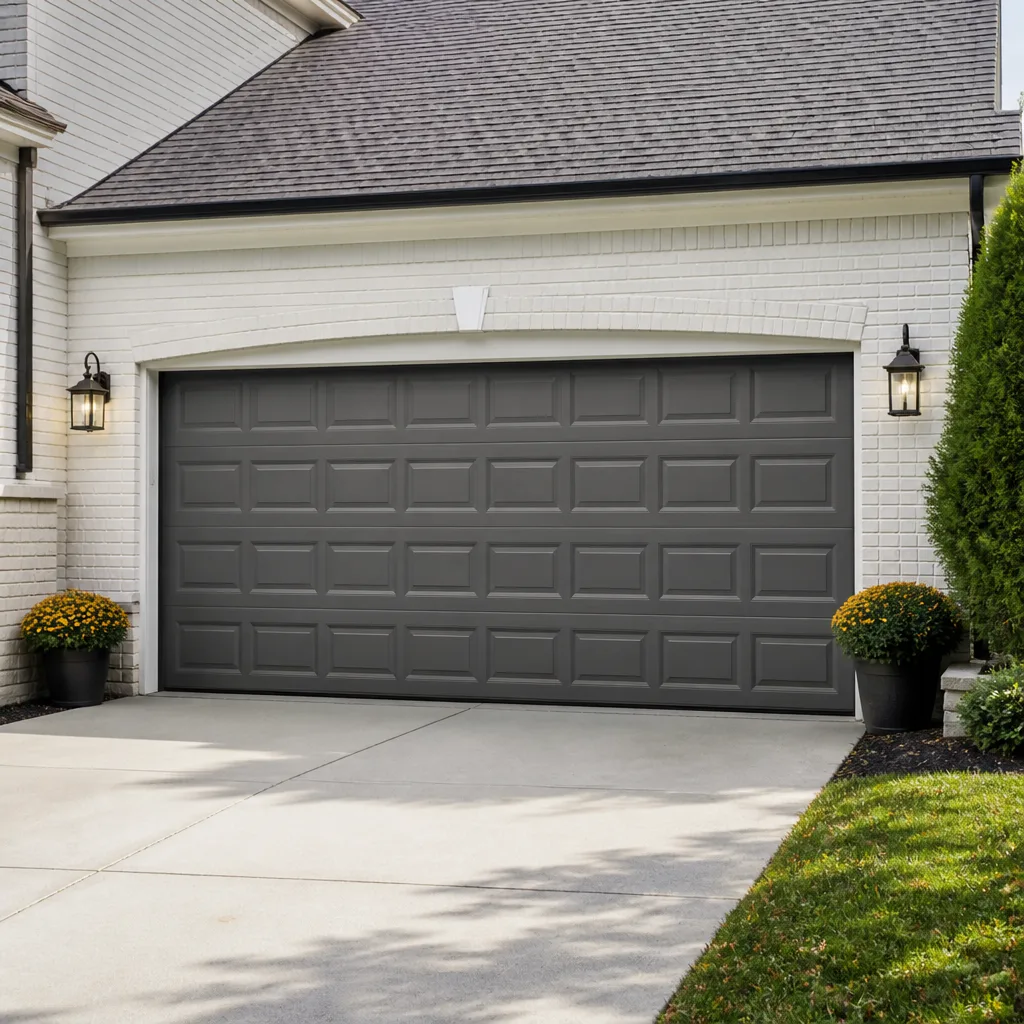 Raised-panel steel
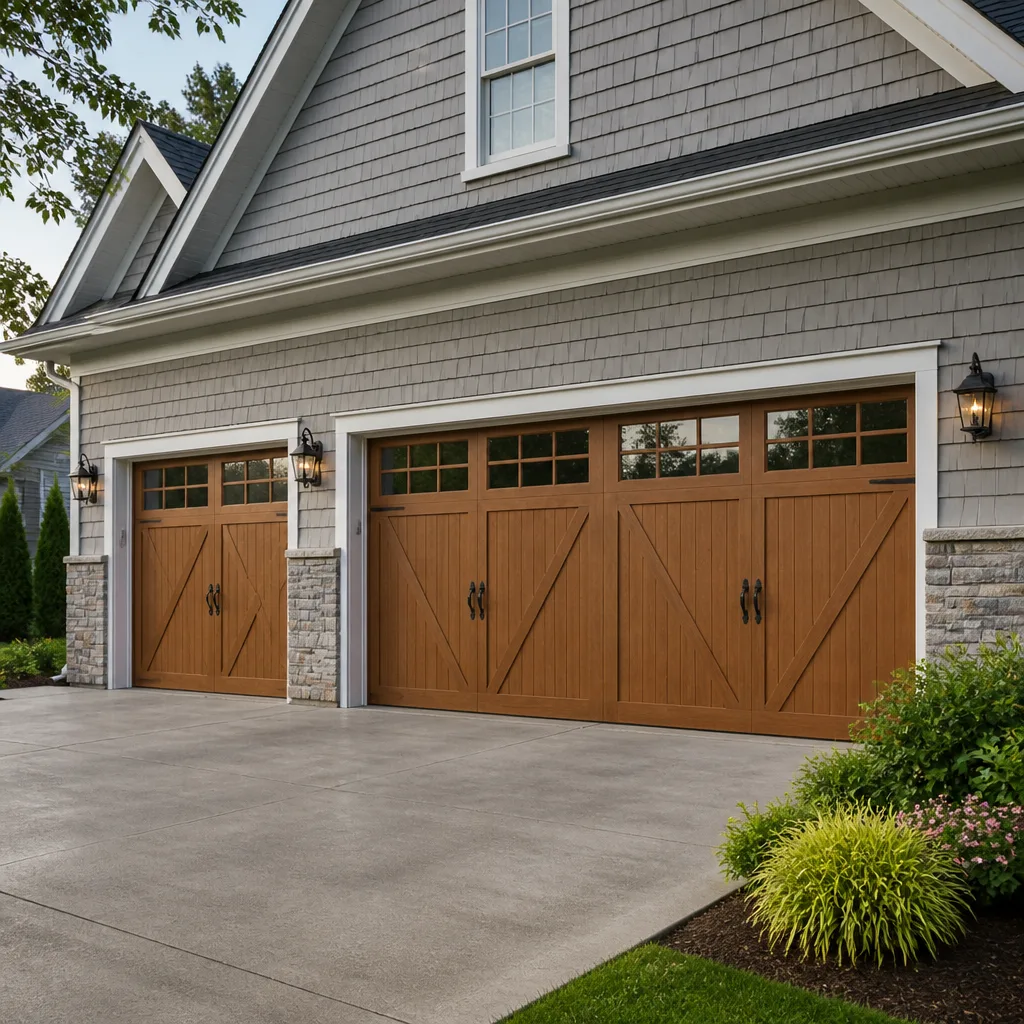 Carriage house
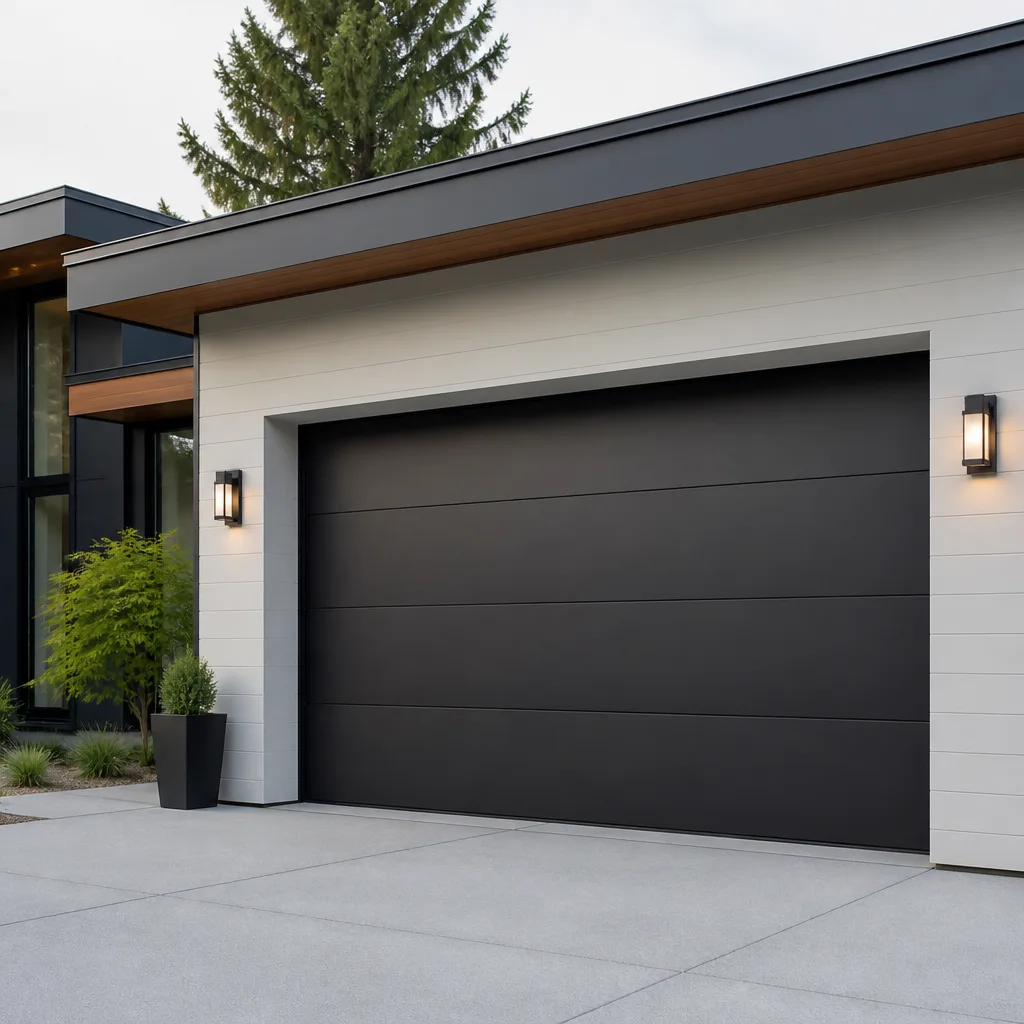 Modern flush
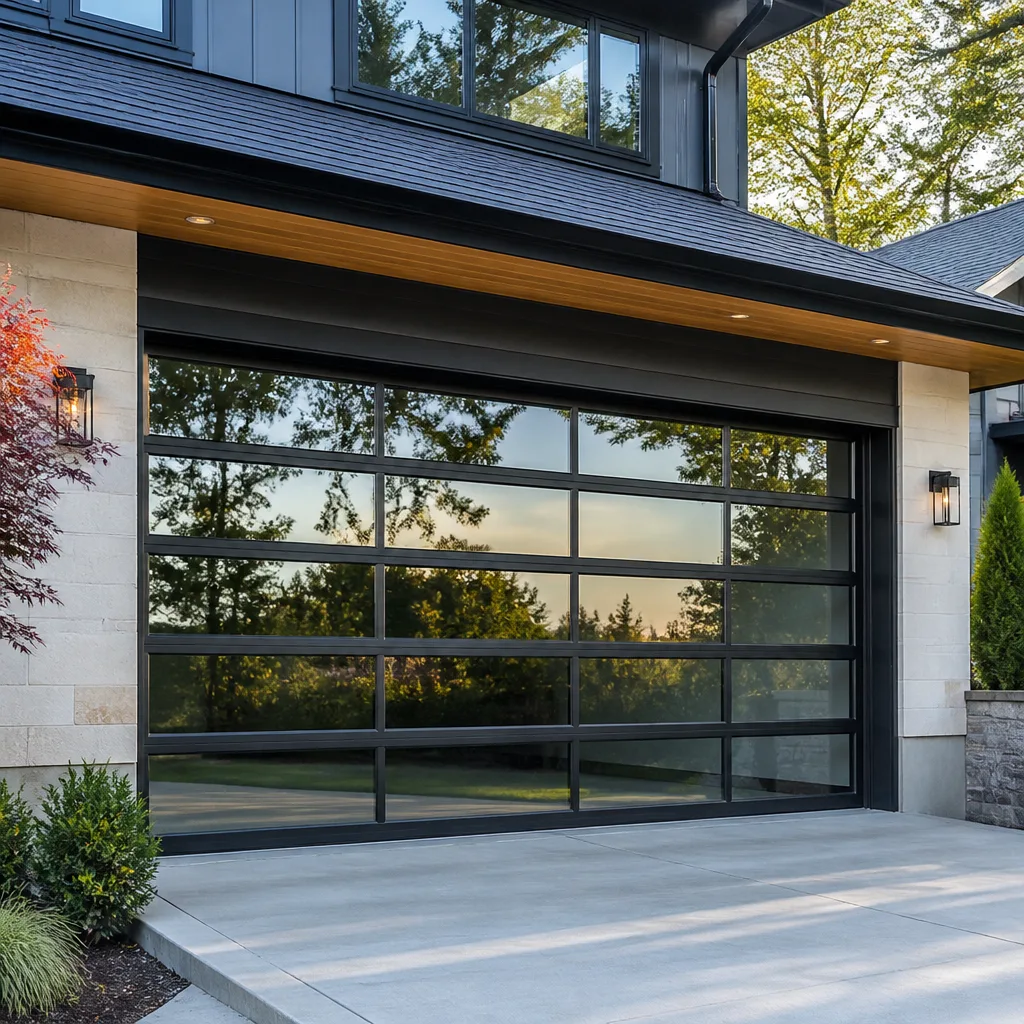 Full-view glass
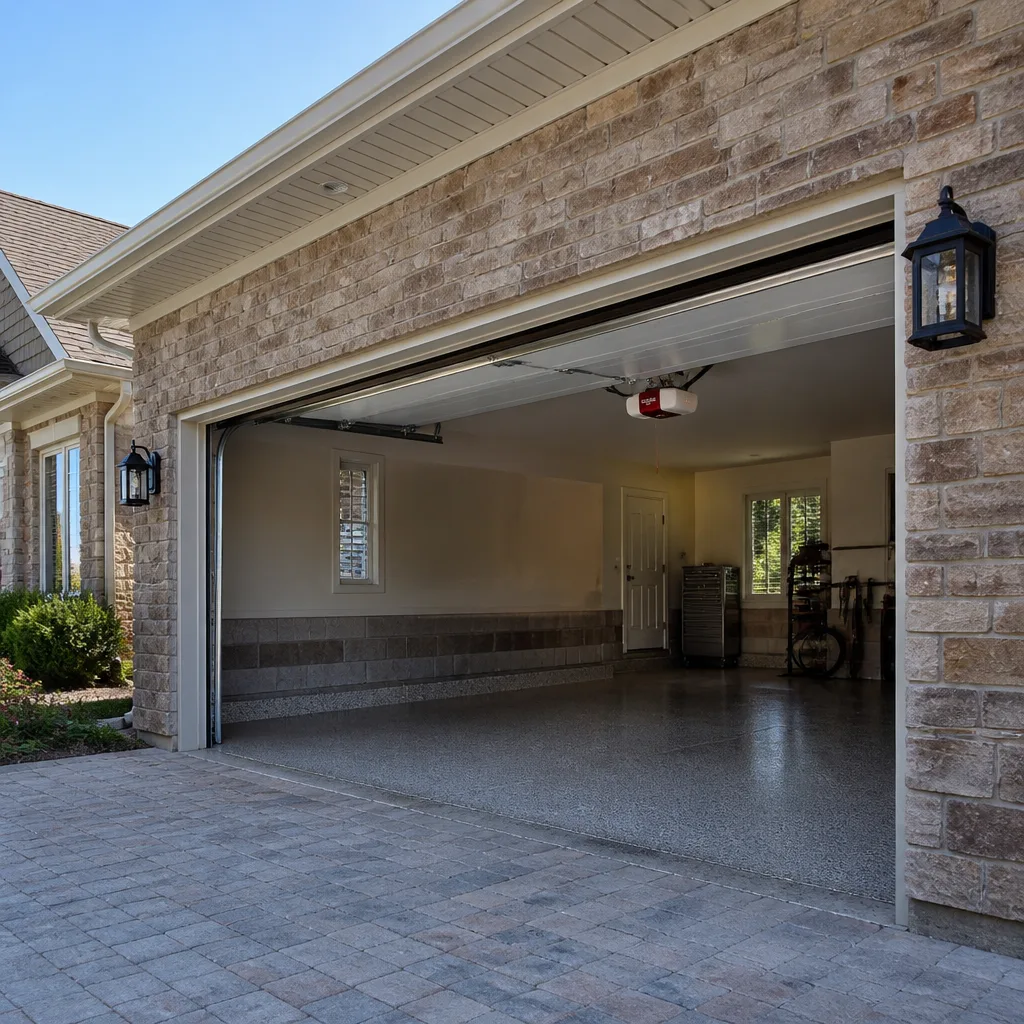 LiftMaster openers
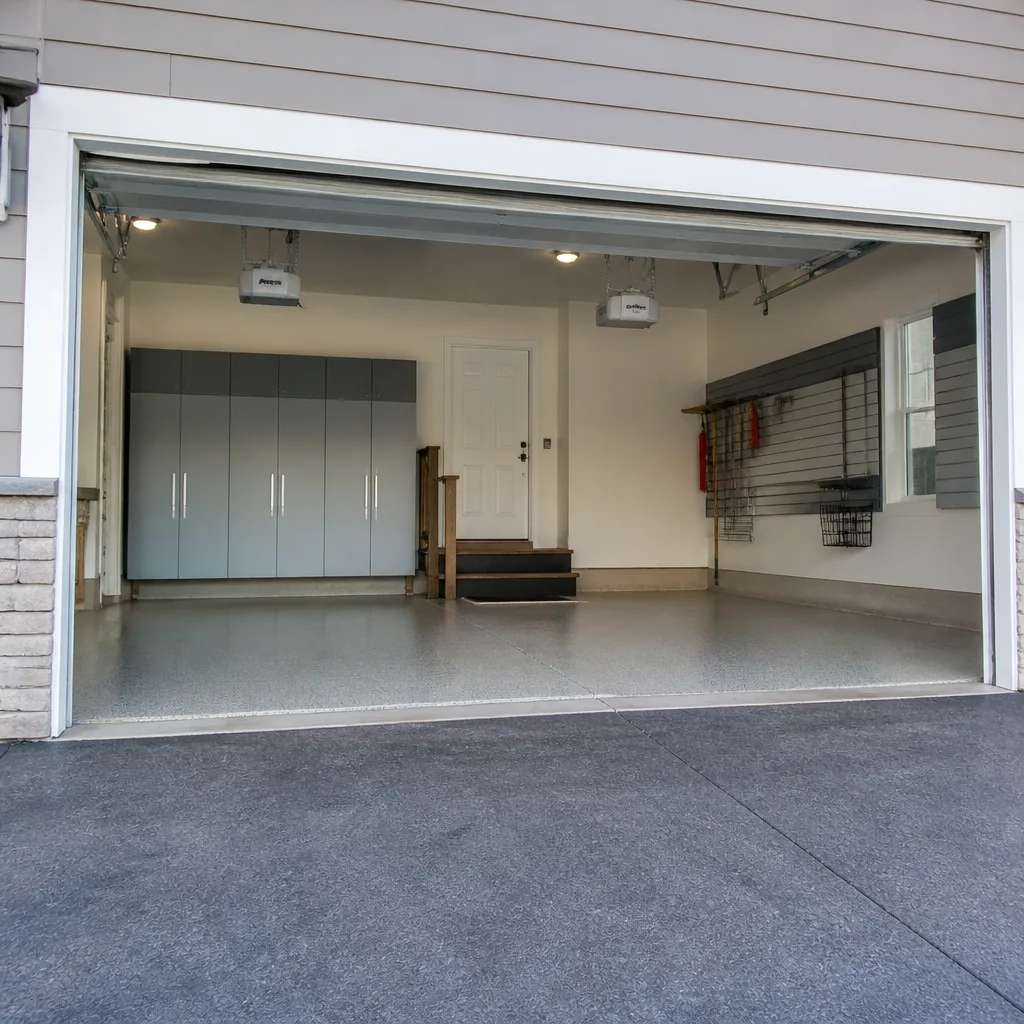 Chamberlain openers
Full 25-point door and opener safety check with every visit - springs, cables, rollers, tracks, and your LiftMaster or Chamberlain opener included
You get a price before we start. It does not change when the pro arrives.
Get your free estimateSeasonal Garage Door Care for Allentown: Year-Round Homeowner’s Guide
January is the busiest month for emergency garage door calls in the Lehigh Valley, and the reason isn’t that doors suddenly wear out. Cold weather doesn’t create new problems. It finds the ones that were already there. A spring that was humming fine in October snaps on the first hard freeze. A bottom seal that let in a little moisture all summer turns brittle and tears at 15 degrees. The warning signs were there in the fall, and nobody looked. This guide breaks seasonal garage door care in Allentown into four distinct failure modes – one for each season – so you can act before the door quits on the coldest morning of the year, not after.
Quick Answer
Seasonal garage door care in Allentown works best on a simple rhythm: lubricate springs and hinges in the fall before the freeze, check seals and panel alignment in spring after the freeze-thaw cycle, watch opener performance in summer’s heat and humidity, and inspect spring tension and balance in late winter. Most of the year’s emergency repairs trace back to a maintenance window that got skipped in the season before it. Maintaining on this schedule costs far less than an emergency call, and it keeps the door operating quietly through the seasonal temperature swings that Lehigh County delivers.
Styles & brands we work with
- Raised-panel steel
- Carriage house
- Modern flush
- Full-view glass
- LiftMaster openers
- Chamberlain openers
Table of Contents
- Why Allentown’s Climate Wears Doors Differently
- Winter: The Season That Finds Every Weak Point
- Spring: What Freeze-Thaw Does to Seals and Panels
- Summer: Heat, Humidity, and Opener Stress
- Fall: The One Task That Prevents Most Winter Emergencies
- A Month-by-Month Task Calendar for Allentown
- A Homeowner’s Visual Check List
- Common Mistakes to Avoid
Why Allentown’s Climate Wears Doors Differently
Allentown sits in a valley between the Lehigh River and the hills that ring the city, and that geography matters for garage doors. Cold air settles into low spots overnight, so winter minimums around here can run colder than the forecast for neighboring towns on the ridges. Summer humidity climbs as the valley holds moisture, which is why wood doors in the older neighborhoods around the West End and along the downtown blocks tend to swell and stick more than they would at higher elevation. Add the freeze-thaw cycling that comes with a Pennsylvania winter, and you get a garage door that goes through real temperature swings several times a season.
Each of the four seasons stresses a different part of the door. The metal cares about cold. The seals and weatherstripping care about ice and thaw. The opener cares about heat. The wood and the hardware care about moisture. If you learn what each season attacks, you can inspect for it right before that season arrives instead of reacting when something breaks.
We work exclusively on garage doors, and a lot of what we repair in Allentown traces to a seasonal wear pattern that’s specific to this climate. That’s the lens this guide takes. The advice is built around what Allentown actually goes through, not a generic national checklist written for mild weather somewhere else.
Winter: The Season That Finds Every Weak Point
Cold-weather garage door failures mostly trace to two things: metal contraction and stiff lubricant. When spring steel gets cold, it contracts very slightly, and a spring that was already carrying a small internal crack from a year of use doesn’t handle the shift well. That’s why snaps spike in the deep cold of January and February. The metal wasn’t weak in warm weather. It was already compromised, and the cold tipped it. Torsion springs over the door, extension springs along the track, hinges, rollers – the whole system works harder when the temperature drops below freezing.
Here’s what to check in November, before the deep freeze takes hold in Allentown:
- Look at the springs. With the door closed and the opener disengaged, look up at the torsion springs above the door or the extension springs along the sides. Look for visible gaps, dark streaks, or a stretch that looks uneven. Any of those means a professional inspection is worth scheduling before winter. Never touch springs – they stay under heavy tension even with the door closed, and the injury risk is serious.
- Test the balance. Disengage the opener and lift the door halfway by hand, then let go. A healthy door stays roughly where you leave it. A door that drops fast or feels unusually heavy is a sign of spring wear that cold weather will make worse.
- Lubricate the moving parts. A garage-door-specific lubricant on hinges, rollers, and the spring coils helps the hardware move smoothly as temperatures fall. General-purpose oil and grease thicken in the cold and can make the door harder to open.
- Check the bottom seal. Run your hand along the bottom rubber. Any cracking or stiffness means the seal will harden further once the freeze settles in and let cold air and moisture in.
- Listen to the opener. If it sounds like it’s straining on colder mornings, that’s often a dry track or worn rollers working against the cold. That’s the sort of thing a garage door opener repair visit can catch before it fails completely.
One hard rule for winter: if a spring snaps in the cold, stop using the door. A broken torsion or extension spring leaves the door too heavy for the opener, and continuing to cycle it can damage the opener, the cables, and the panels. Call for a garage door spring repair – springs are one of the most dangerous residential repairs out there, and a broken one is not a job for a homeowner with a ladder and a pair of winding bars.
Spring: What Freeze-Thaw Does to Seals and Panels
Spring in Allentown is where the winter’s damage shows up. The freeze-thaw cycle is the culprit. Water gets into a small crack in the bottom seal or behind a panel edge, freezes overnight, expands, and thaws during the day. Repeat that cycle through February and March, and cracks that started as hairline faults open up into real gaps. That’s why the first warm week is the right time to walk the door and inspect for what winter left behind.
After the last frost, look for these:
- Cracked or loose bottom seals. The rubber strip at the bottom of the door is the first line of defense against water and cold air. Freeze-thaw damages it first and often worst. A torn seal lets moisture into the garage floor and around the door frame.
- Warped or buckled panels. Wood doors and some composite doors absorb moisture through the winter and warp as they dry out in spring. A panel that bulges or bows can bind in the frame, stress the hinges, and put uneven load on the springs.
- Rust on tracks and hardware. Salt-tracked slush from Lehigh Valley roads finds its way onto garage floors and can splatter the bottom of the tracks near where the door sits. Surface rust leads to sticky rollers.
- Shifted tracks. Frost heave under the slab, plus a season of the door pulling against its frame, can knock the vertical tracks slightly out of plumb. A door that rubs on one side as it opens or closes is the sign.
- Weatherstripping gaps at the sides and top. Same freeze-thaw logic as the bottom seal. Gaps mean drafts and water intrusion next winter.
Spring is also when the quietest problems climb into real money. A bottom seal that’s been cracking all winter is a cheap fix on its own. A warped panel that binds in the frame and stresses the opener for three months can turn into a much bigger job. If your door is older than the surrounding hardware and panels are badly warped, spring is a good moment to weigh a repair against garage door installation while the weather is still moderate.
Summer: Heat, Humidity, and Opener Stress
Summer’s two stressors are heat and humidity, and they tend to hit different parts of the door. Heat goes after the opener. Humidity goes after the wood and the seals. In Allentown, with valley humidity that lingers from June through August, both issues show up at once on the same door. That’s why a door that ran perfectly in May can start sticking in July.
On the opener side, heat affects the circuit board inside the motor head. Modern openers – LiftMaster and Chamberlain units in particular – are built to handle it, but a motor head that’s mounted in direct sun and coupled with a straining door will shorten the life of the electronics. If your opener runs hotter than usual, shorts out, or loses its memory of the travel limits, that’s a sign to have it looked at. A garage door opener repair visit can find the cause before the opener quits outright.
On the door side, high humidity is a problem for wood doors. The wood absorbs moisture, expands slightly, and binds in the frame. You’ll notice it as a door that runs rough on the opener, or that seems to drag on one side. If you have a wooden garage door in Allentown, check the fit through July and August – the door shrinks back in the fall, so it usually self-corrects, but a door that binds all summer will wear rollers and hinges over time.
What to inspect in summer:
- Listen to the opener. Grinding, straining, or repeated attempts to close are signs of added resistance – either from the door or from a warm motor head working harder.
- Test the safety reversal. Put a piece of wood under the door and press close. The door should reverse immediately. If it doesn’t, that’s a safety-critical failure, and it needs attention now.
- Check the photo-eye alignment. Summer storms and landscaping work can nudge the sensors out of line. If the opener refuses to close, that’s the first thing to check.
- Feel the rollers. Warm weather makes dry rollers squeal. If the door has gotten noisier through summer, that’s usually a lubrication issue, not a failure.
- Watch for seal swelling. Bottom and side seals on some doors swell in humid air. If the door seems slower to seat fully, check the seal fit.
Fall: The One Task That Prevents Most Winter Emergencies
If you do one maintenance task a year in Allentown, make it the fall lubrication. Lubricating springs, hinges, and rollers with the right product is the single prep step that prevents most winter emergency calls. Here’s why. When garage door hardware is dry, it moves with added friction. In warm weather, the opener and the springs overcome that friction without complaint. When the temperature drops below freezing, dry parts get harder to move, and the springs and opener end up working far harder than they should on the coldest mornings. A properly lubricated door glides through the winter with less strain on every part.
The right product matters. Use a garage-door-specific lubricant – not WD-40 as a long-term lubricant, not general-purpose grease, not motor oil. A garage door lubricant holds its viscosity in cold weather. General-purpose oils either run off the parts or thicken into paste in the cold, which is worse than dry. Ask for a product specified for garage doors, and apply it to the hinges, the rollers, the torsion springs (if you can reach the coils safely from a step stool – never touch the windings), and the track only along the curve of the bend where the door transitions from vertical to horizontal.
The full fall list, in order:
- Lubricate the hardware. Springs, hinges, rollers, and the curved track section. This is the priority task.
- Replace or repair the bottom seal if it’s damaged. Do this before the freeze, not after – once the seal freezes stiff, replacing it is more work.
- Test the door balance. Same method as the November check: disengage the opener, lift the door halfway, and let go. A door that falls is a spring problem waiting to fail in the cold.
- Tighten visible hardware. Bracket bolts, roller brackets, and hinge screws loosen through a year of cycling. Snug them up.
- Check the weatherstripping. Seal gaps at the top and sides before the first hard freeze.
- Set the opener’s force and travel limits. If the opener has been struggling all summer, the fall is when you want to correct it, not mid-December.
A Month-by-Month Task Calendar for Allentown
This calendar is built around Allentown’s actual seasonal pattern – cold winters, freeze-thaw in late February and March, humid summers, and cool fall with an early first freeze. Adjust the timing slightly if you’re in a neighborhood that sits a little higher or lower in the valley, but the sequence holds.
- January: The failure season. Keep the door lubricated, watch for opener strain on very cold mornings, and don’t force a door that feels off. If a spring breaks, call for repair – don’t keep cycling the door.
- February: Late winter. Cold-weather failures are still likely. Pay attention to how the door sounds on the coldest mornings and note any change from earlier in the year.
- March: Freeze-thaw peak in the Lehigh Valley. Inspect bottom seals for new cracks, check tracks for rust from road slush, and look for panels that have started warping as they dry out.
- April: Post-frost inspection. Look at the full door – seals, panels, tracks, hardware. This is the best month to catch winter damage before the summer heat.
- May: Pre-summer prep. Test the safety reversal, check photo-eye alignment, lubricate the moving parts. Summer heat is coming, and a well-lubricated door runs cooler on the opener.
- June through August: Monitor the opener. Heat and humidity hit together. Watch for straining openers, wood doors that bind, and photo-eyes knocked out of alignment by storms.
- September: Fall transition. The temperature starts dropping. This is when you want the fall lubrication done – not after the first freeze.
- October: Deep-clean and inspect. Lubricate all moving parts with a garage-door-specific product, snug loose hardware, and check the seal again before cold settles in.
- November: Final pre-winter inspection. Balance test, spring inspection (visual only, from safe distance), seal check, and opener test. This is the last chance to fix anything before winter.
- December: First real cold. Watch the opener on the first hard mornings, and keep the interior of the garage above freezing if you can. A frozen door will resist the opener for the first few inches of travel.
A Homeowner’s Visual Check List
A five-minute visual walk around the door, once per season, catches most of what’s about to fail. You don’t need tools or a ladder for most of it. You do need to know what’s safe to look at and what’s off-limits. Here’s the homeowner-safe inspection sequence.
- Walk into the garage and look up. Check the springs for visible gaps or dark streaks. If something looks off, note it and stop – don’t try to touch or adjust the springs.
- Look at the bottom seal. Cracks, torn edges, or rubber that’s gone stiff – all signs of a seal that needs replacing.
- Run the door by hand. Disengage the opener (there’s a release cord or handle) and lift the door manually to chest height. It should feel balanced. Let go gently and watch whether it stays or drops.
- Watch the door as it cycles. Re-engage the opener and run it up and down once. Listen for grinding, squealing, or scraping, and watch for one side that moves faster than the other or a panel that shakes.
- Test the safety reversal. Put a wood block under the door and press close. It should reverse on contact.
- Check the weatherstripping. From inside the garage, look for daylight gaps at the top and sides while the door is closed.
- Look at the tracks. Look for visible bends, dents, or rust spots, and note any section where the door rubs.
Anything on that list that turns up a problem is worth a call. For actual repair work on springs, cables, tracks, or opener electronics, a trained technician should handle it. Allentown Garage Door Repair Pros offers free estimates on garage door repair – call (866) 594-2373 to schedule a look.
Common Mistakes to Avoid
- Skipping the fall lubrication. It’s the single most effective preventive task for an Allentown winter, and it’s the one homeowners skip most often. Dry hardware is what turns a cold snap into an emergency call.
- Using WD-40 or general grease on the door. WD-40 is a solvent-based spray, not a long-term lubricant, and it attracts dust. General grease thickens in cold weather and makes the door harder to move, not easier. Use a garage-door-specific lubricant.
- Touching the springs. Torsion springs are under enormous tension even with the door closed. Cables can snap with the same force. This is one of the most hazardous residential repairs there is – leave it to a specialist.
- Ignoring a door that “just feels heavy.” A heavier-than-usual door is a sign the spring or springs are losing tension. Cold weather makes the problem worse, and running the opener against a heavy door wears the opener motor prematurely.
- Assuming summer humidity doesn’t affect a garage door. Wood doors in Allentown swell in the humid months. A door that binds all summer will damage the hinges and rollers gradually, and the damage is already there by the time fall shows up.
- Waiting until January to think about the door. By the time the cold is here, the failures are already happening. The right window to prepare is October and November.
- Trusting a generalist handyman with springs or opener wiring. Garage doors and their openers are a trade of their own. A general contractor who “also does” garage doors won’t necessarily have the tools or the parts to fix a specific brand or opener model.
See the difference
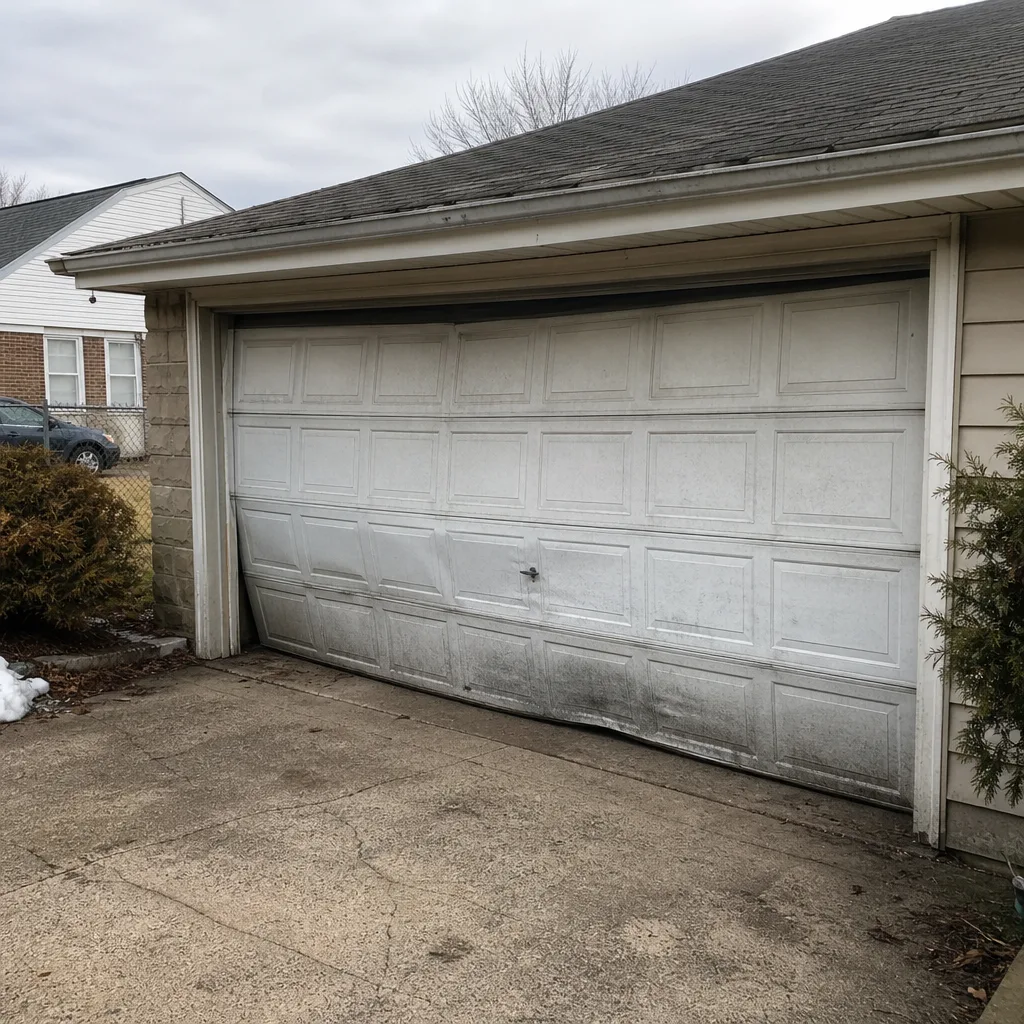 Before
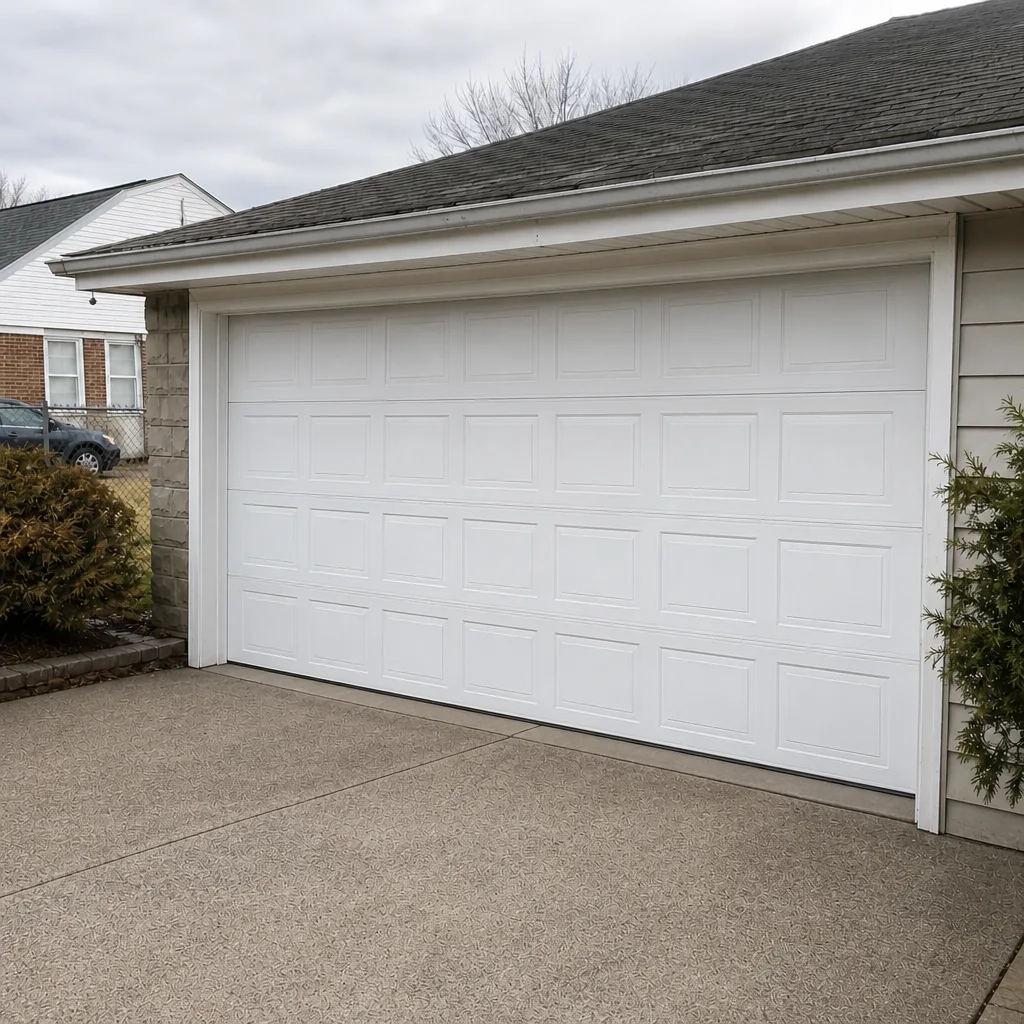 After
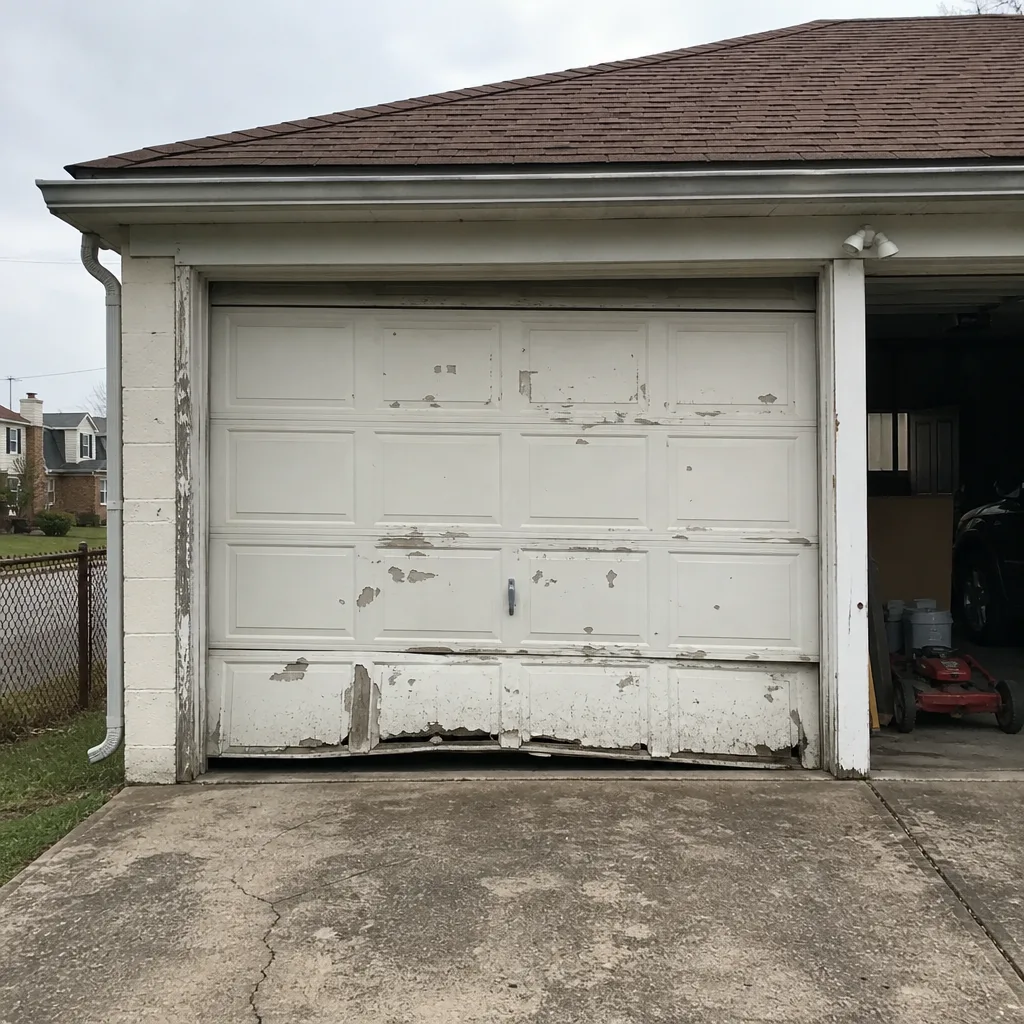 Before
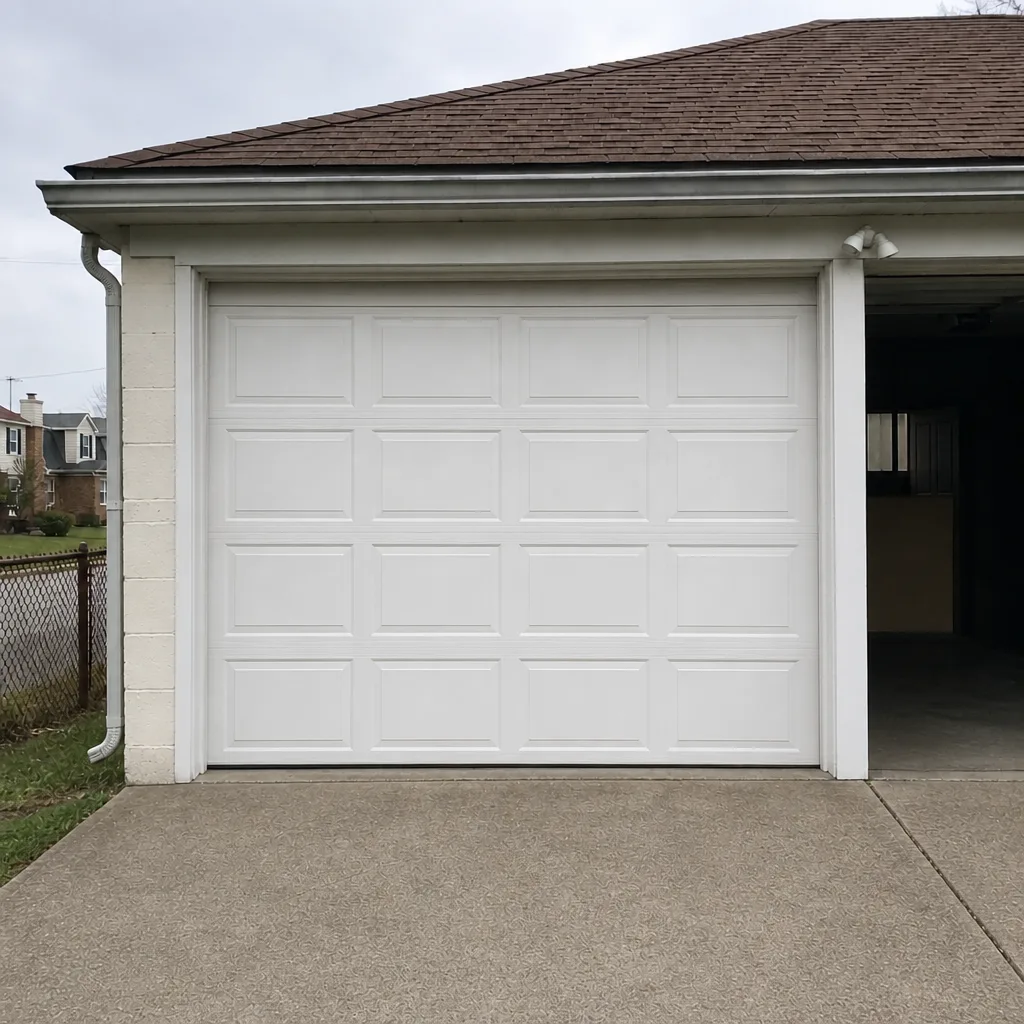 After
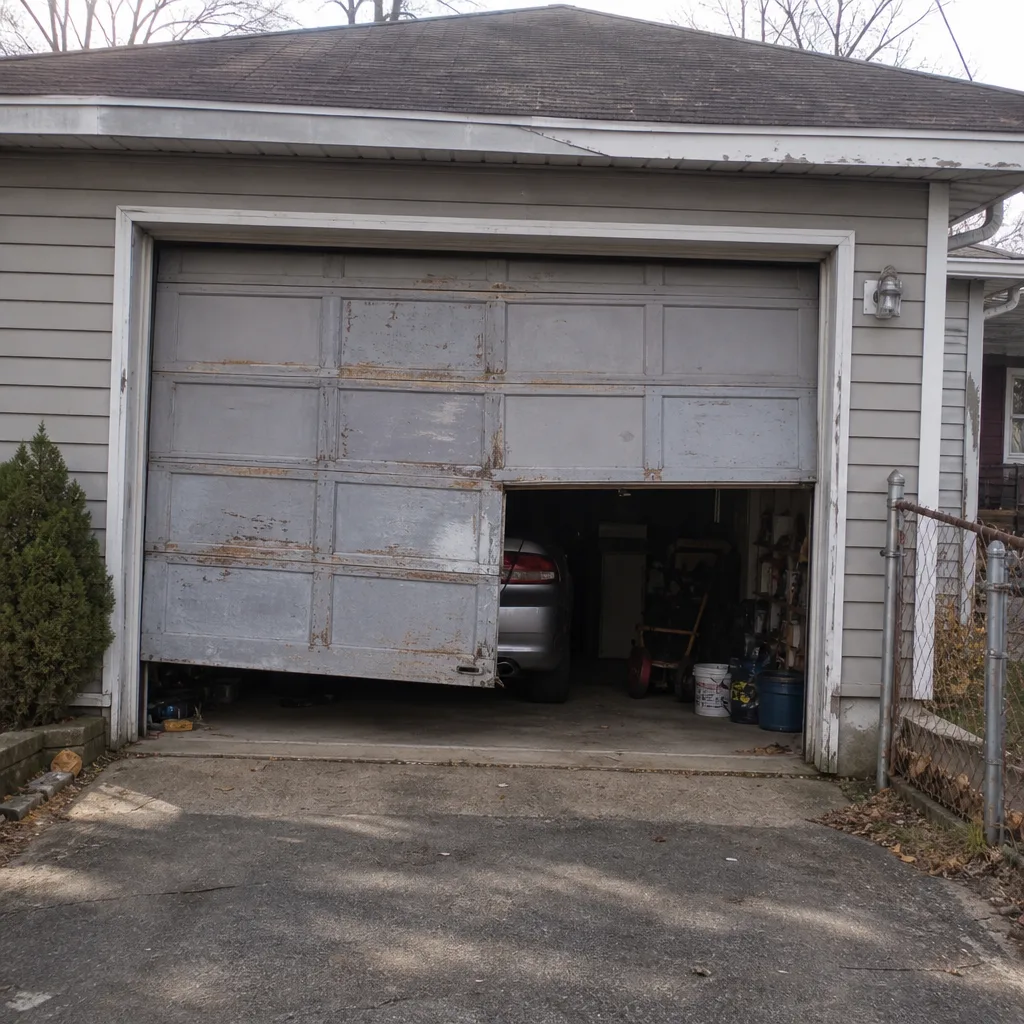 Before
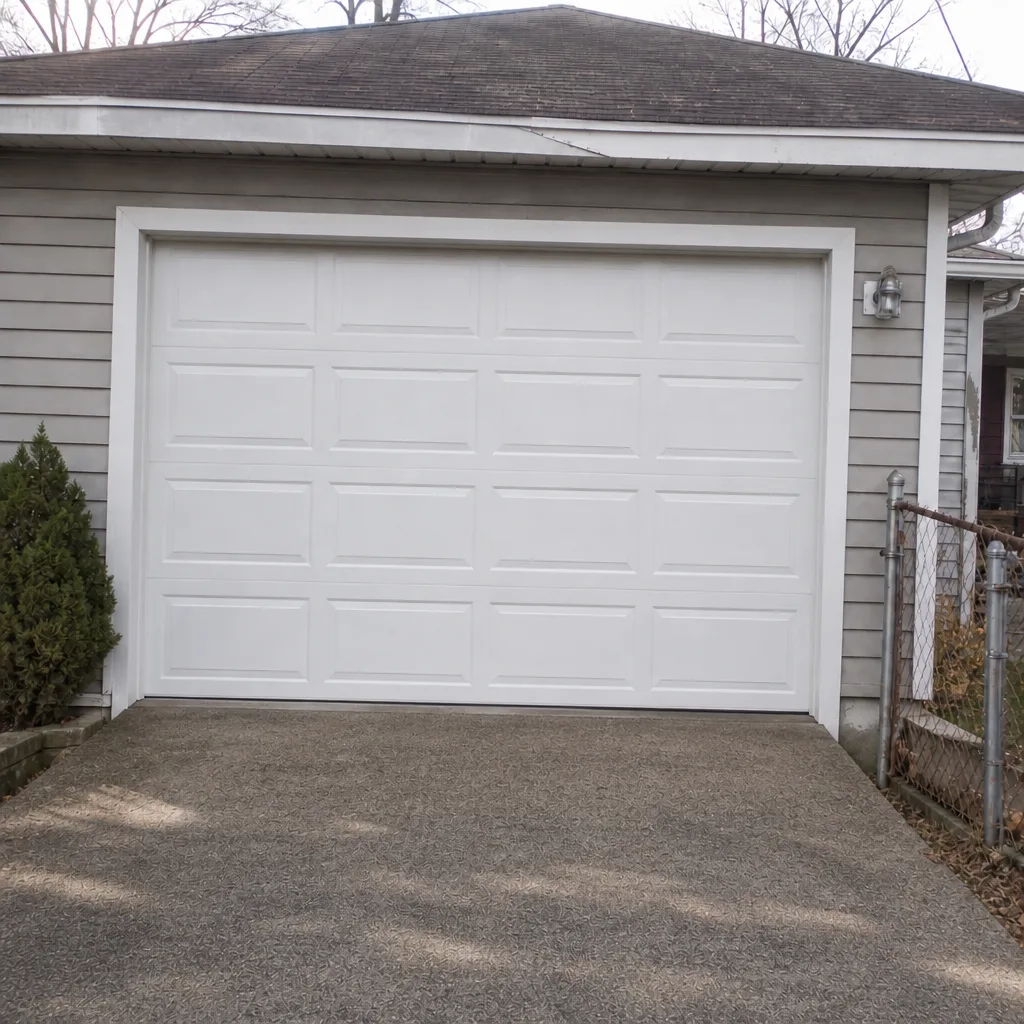 After
When to Call a Professional
Some garage door problems can wait. Others can’t. Call a professional immediately if a spring has snapped, if a cable is hanging loose or broken, if the door comes down unevenly or only on one side, if the opener runs but the door doesn’t move, or if the safety reversal fails. Those are the scenarios where running the door repeatedly makes the damage worse or creates an actual safety hazard. A door that’s stuck open and won’t close is also worth a call – it leaves the house exposed, and a fast response matters. Same for a door that won’t open when the car is inside.
For smaller issues – a noisy door, a bottom seal that’s wearing out, a remote that’s lost its programming – a scheduled visit is usually enough. In our experience, the best time to schedule maintenance in Allentown is right before a season change, because that’s when the failure pattern shifts. Allentown Garage Door Repair Pros offers free estimates in Allentown – call (866) 594-2373.
Frequently Asked Questions
Early October is the best single window, because it gets the door lubricated and inspected before the first freeze sets in. A spring follow-up in April catches the freeze-thaw damage. If you can only manage one visit a year, make it the fall – that’s the one that prevents the winter emergencies. Call (866) 594-2373 for a free estimate.
Cold contracts spring metal slightly, and a spring that’s already got a small internal crack from a year of use doesn’t handle the contraction well. That’s why January is a huge month for spring repair in the Lehigh Valley. The spring was compromised going into winter, and the cold finished the job. Call (866) 594-2373 if your spring has snapped – riding on a broken spring will damage the opener and cables.
You can lubricate the visible coils of a torsion spring from a step stool, using a garage-door-specific lubricant, without touching the windings or the cable. Anything beyond that – removing the springs, adjusting tension, replacing a broken spring – is a job for a trained technician. Springs stay under heavy tension at all times, and the injury risk from DIY spring work is serious. Call (866) 594-2373 for spring repair pricing.
It is common for wood doors, because the valley humidity causes the wood to swell. It’s the door binding in the frame, not the opener failing, and it usually eases in fall. But a door that binds all summer wears the rollers and hinges, so it’s worth having the fit checked rather than just waiting it out. Call (866) 594-2373 for a free estimate.
No. We quote the scope of work based on what we find during the estimate, and the written price is what you agree to before any work starts. If we find something additional during the job, we stop and talk to you before doing anything that changes the price. Call (866) 594-2373 to schedule a free estimate.
The local professionals we connect you with are licensed and insured as their state requires, and our technicians have up to 11 years of experience. We work exclusively on garage doors and openers, including the major brands – LiftMaster, Chamberlain, Genie, Clopay, Amarr, Wayne Dalton, Craftsman, and Raynor – so a brand mismatch doesn’t turn into an excuse. Call (866) 594-2373 for a free estimate.
The Bottom Line
Allentown’s four seasons don’t call for four versions of the same maintenance list. They call for four different failure modes, and the homeowners who come through a winter without an emergency call are the ones who addressed the fall signs in October. Lubricate the springs, hinges, and rollers with the right product before the freeze. Inspect for freeze-thaw damage after the last frost. Watch the opener through the humid summer months. Test the balance in late winter before the cold finds any weakness. If a spring breaks, a cable snaps, or the door stops operating safely in any season, stop using it and call a specialist.
We handle everything from a snapped spring on a January morning to a full door replacement when the old one has finally worn out. From busted to brand-new, we’ve seen how each season in Allentown treats a garage door, and we can tell you in a single visit what’s wearing out and what’s fine. No guesswork, no runaround. Call Allentown Garage Door Repair Pros at (866) 594-2373 for a free estimate on seasonal maintenance, garage door repair, or a new installation – and let’s get ahead of the next season change.
Every garage door we work on is a chance to show what a single-trade focus gets you. If you want the broad picture of what we handle, see Allentown Garage Door Repair Pros and explore the services on our site.
Written by the team at Allentown Garage Door Repair Pros.