Last updated November 21, 2026
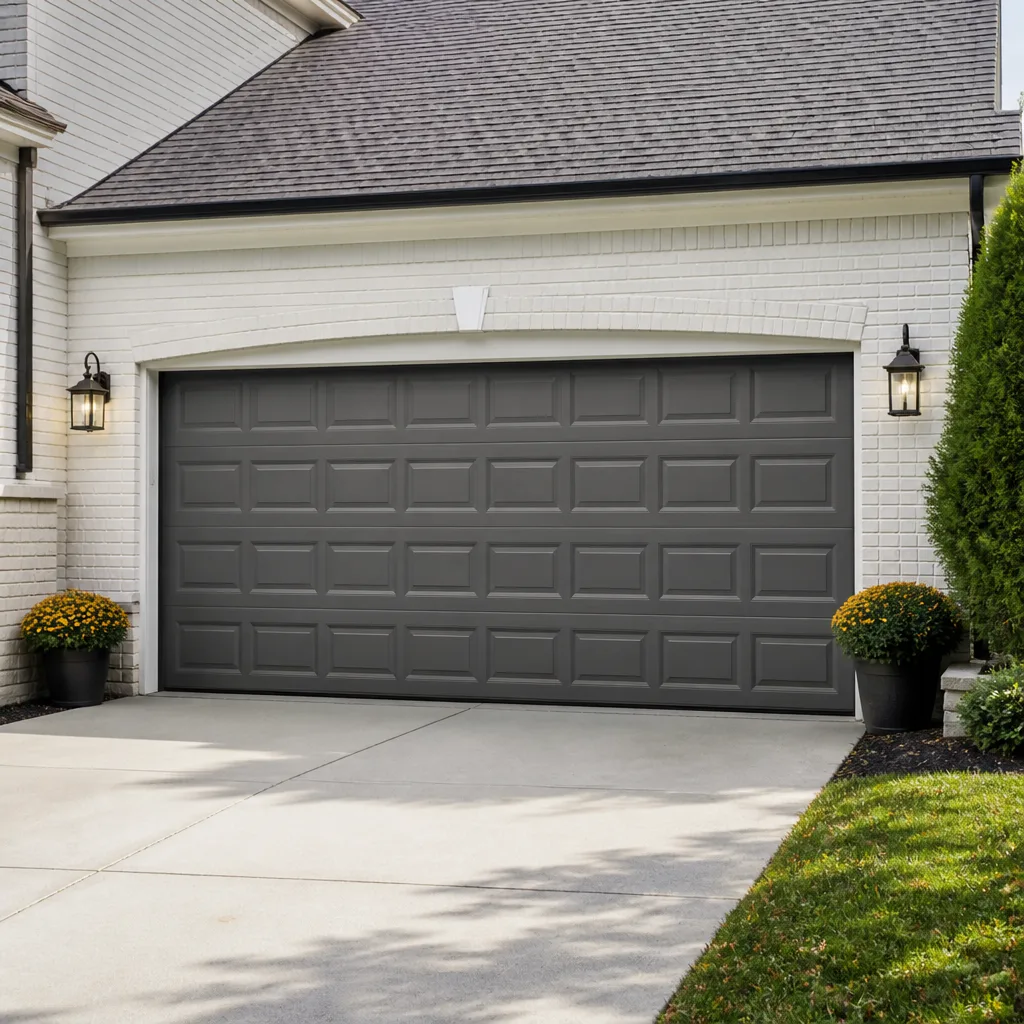 Raised-panel steel
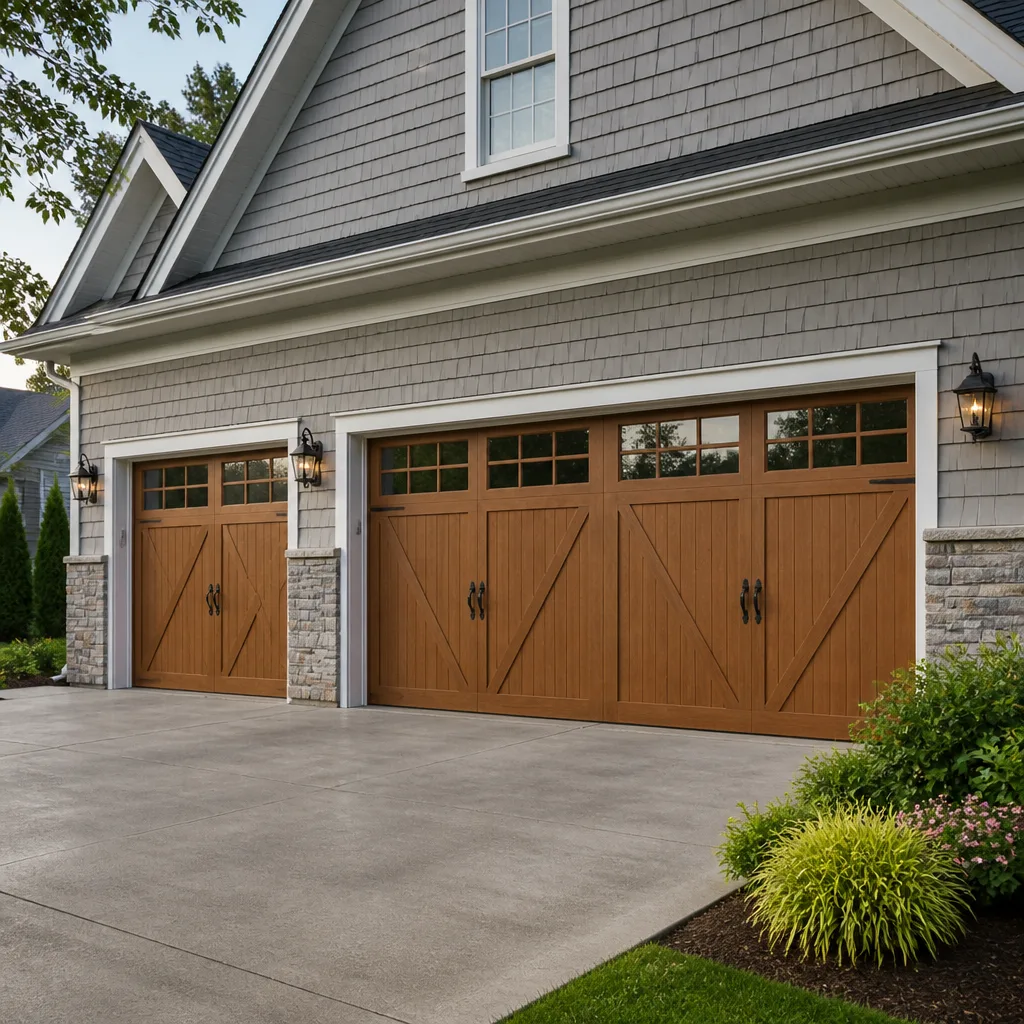 Carriage house
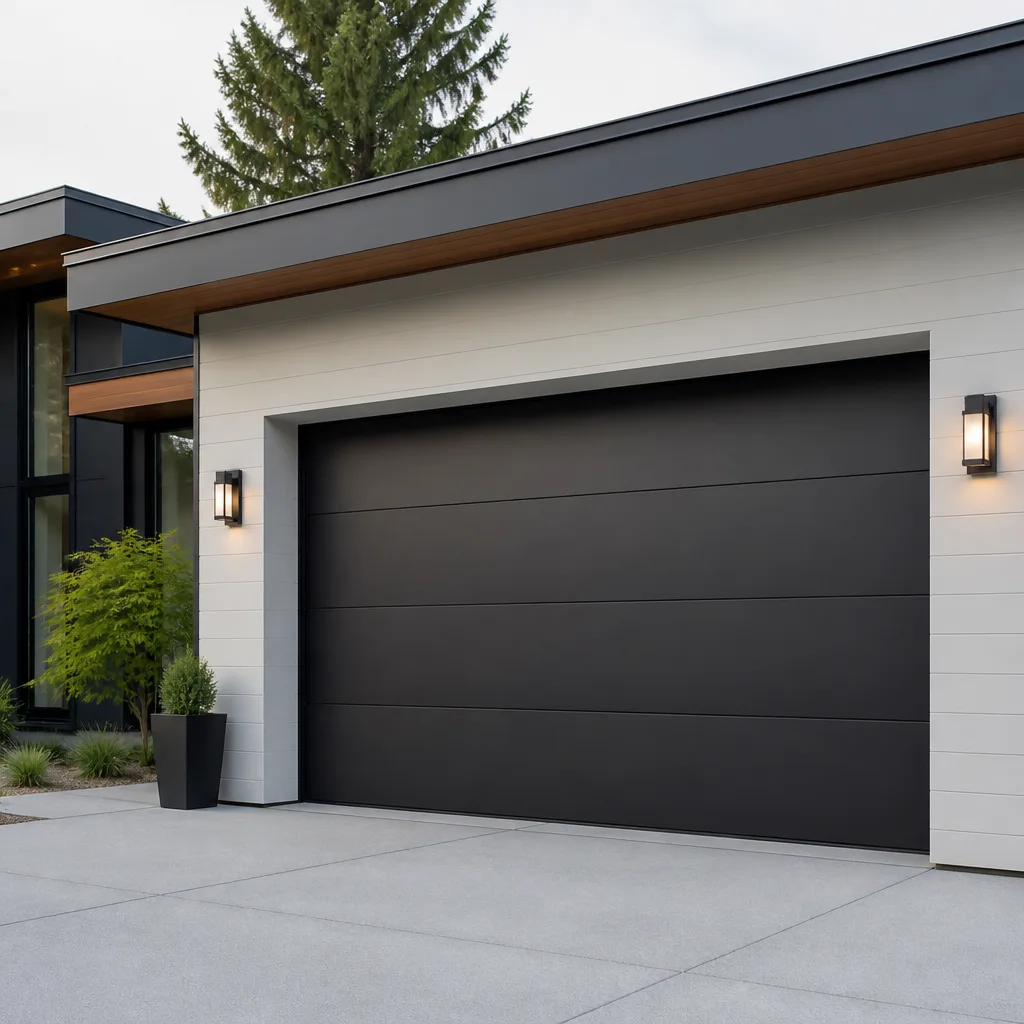 Modern flush
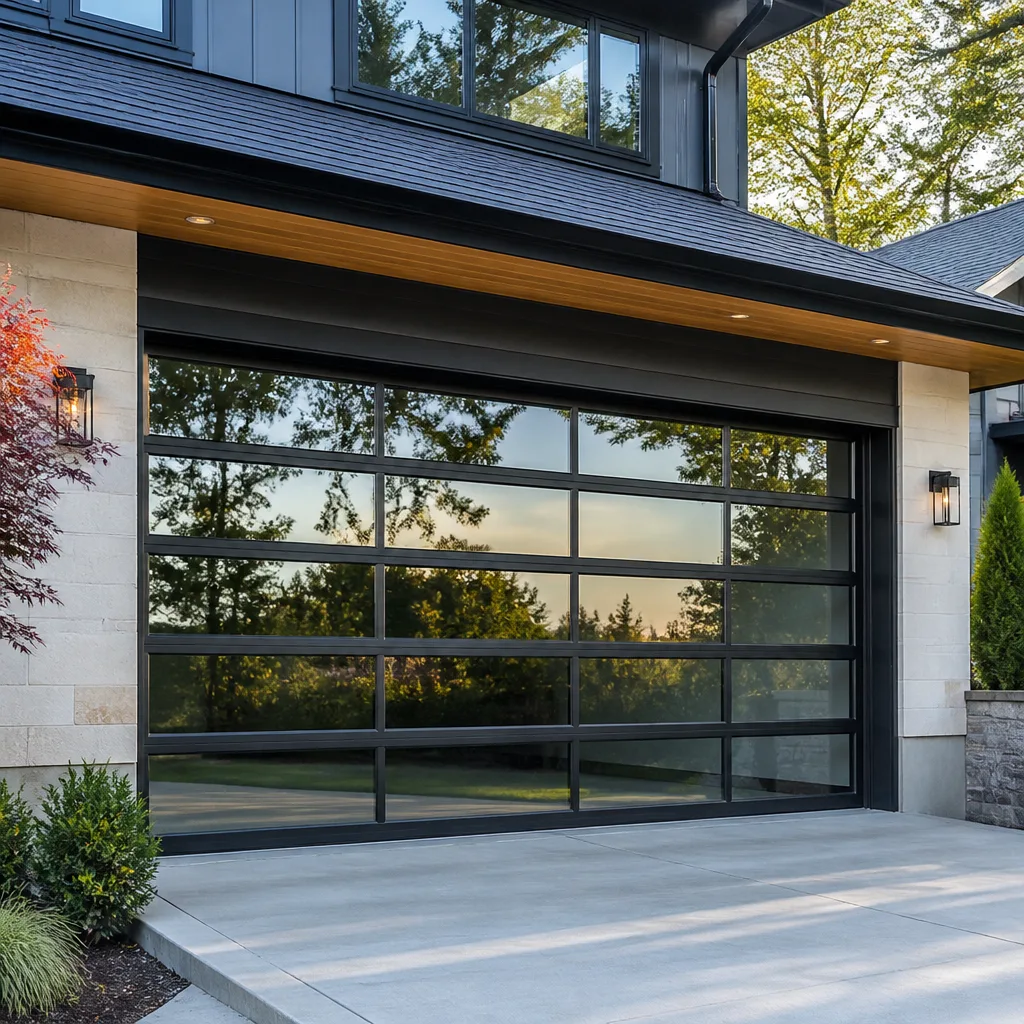 Full-view glass
 LiftMaster openers
 Chamberlain openers
Full 25-point door and opener safety check with every visit - springs, cables, rollers, tracks, and your LiftMaster or Chamberlain opener included
You get a price before we start. It does not change when the pro arrives.
Get your free estimateGarage Door Warning Signs: An Allentown Homeowner’s Reference Guide
Most garage doors give plenty of notice before they quit. The problem is that nobody teaches homeowners what those notices sound like. A grinding noise and a squeaking noise both come from the same door, yet one might point to a dry roller and the other might mean a bearing is on its way out. Treat them the same and you either waste money on a repair you didn’t need or ignore a part that’s about to fail. We wrote this guide for Allentown homeowners who want to read the warning signs clearly: the sounds, the movements, the things you can see from the driveway, and the speed at which each one needs a response.
Quick Answer
The most reliable garage door warning signs are grinding, squeaking, banging, rattling, and popping sounds, plus a door that moves slow, jerks, sags, or shows visible cable slack. Any sign that involves a loud bang, a snapped cable, or a door that won’t stay in one place means stop using the door and call a specialist right away. Grinding and squeaking usually mean a call this week, not today.
Styles & brands we work with
- Raised-panel steel
- Carriage house
- Modern flush
- Full-view glass
- LiftMaster openers
- Chamberlain openers
Table of Contents
- What Does Each Garage Door Sound Tell You?
- What Can You See From the Driveway?
- Why Does a Slow or Jerky Door Point to Spring Wear?
- Is It the Door or the Opener?
- How Fast Do You Need to Respond?
- How Allentown Weather Changes What You Hear
- A Ten-Minute Monthly Check
- When to Call a Professional
What Does Each Garage Door Sound Tell You?
Every noise comes from a specific component, and once you learn the mapping, the door stops being mysterious. In our experience around Allentown, homeowners hear a sound for months before they call, then describe it as “just a little noise” when a technician arrives. Here’s what each one usually means.
Grinding points toward metal-on-metal contact. The usual suspects are dry or worn rollers, a binding track, or a torsion shaft that has lost its lubrication. Grinding builds slowly and gets louder as the offending part wears down. It rarely means the door is dangerous yet, but it will wear out whatever it’s rubbing against, which turns a small repair into a bigger one.
Squeaking is almost always a lubrication problem, at the hinges, rollers, or the spring coil itself. It’s the easiest warning sign to resolve and the easiest to ignore too long. Left alone, a squeak becomes a grinding sound when the dry part starts to bind.
Banging or booming means the door is hitting something hard, or a broken spring has let the door drop the last few inches with every cycle. That’s a stop-and-call situation.
Rattling usually traces back to loose hardware: a hinge screw backing out, a bracket working free, a bolt on the opener rail that needs tightening. Rattling is cheap to fix early and can bend a panel if you wait.
Popping is the one that gets misread most often. A single loud pop followed by the door refusing to open is typically a torsion spring snapping. A repeated pop or crack through the cycle can mean a cable jumping its drum, which is a genuine safety issue.
If your door makes any of these sounds in Allentown, pay attention to whether the noise comes from the door itself or the opener up in the ceiling. That distinction changes the whole diagnosis, and we’ll get to it below. Broader repair work, including garage door repair, starts with this same sound mapping.
What Can You See From the Driveway?
You don’t need to open the door or climb on a ladder to notice a problem. Some of the best warning signs are visual, and they’re visible from the bottom of the driveway. Take two minutes when you pull in and look at these.
Sagging or bowing sections. Stand back and check whether the top, middle, or bottom panel is warped or tilted. A sagging section can be the panel itself, or it can mean the door is no longer balanced on its tracks.
Uneven gaps at the sides. The gap between the door and the frame should look consistent from top to bottom. If one side sits closer than the other, the door may have slipped on its tracks or a cable may have lost tension.
- Visible cable slack on either side, especially hanging loose under the drum
- Bent or twisted tracks, typically from a bump with a car
- Rollers that have popped out of the track and are sitting on the lip
- Hinges that look bent or are missing screws
- Weatherstripping torn away from the bottom edge of the door
- Dark dust or shavings on the floor under the tracks
Cable slack is the one to treat seriously. Cables are under heavy tension, and a slack cable is one that has jumped its spool or lost its anchor. Don’t try to fix that one yourself; it’s a job for a trained technician. If you see it, stop using the door and call for help.
Allentown homes range from older stone and brick rowhouses on the East Side to newer builds out near Trexlertown, and older tracks are more likely to show these visual signs because they’ve had more cycles of use. Panels and tracks wear out. The door doesn’t care how old the house is.
Why Does a Slow or Jerky Door Point to Spring Wear?
Springs are the workhorses of the garage door. They lift the full weight of the door so the opener can move it with a small motor. When the springs weaken, they stop doing that lifting, and the door gets heavier. The first thing you’ll notice isn’t a noise. It’s a change in how the door moves.
Here’s what spring wear looks like before it breaks outright:
Sluggish opening or closing. The door moves more slowly than it used to, or the opener seems to strain. That’s the motor compensating for weight it shouldn’t be carrying.
Jerky travel. The door lurches, hesitates, or stops and starts mid-cycle. A healthy door travels at a steady speed from bottom to top.
A door that won’t stay at the halfway point. Manually disconnect the opener and lift the door halfway. A properly balanced door should stay where you leave it. If it sinks or slams shut, the spring is weak.
Visible gaps in the spring coil. On a torsion spring over the door, look for a gap along the coil. A spring is a curled piece of steel and it should be one continuous spiral. A visible break means the spring is done.
When the sound follows these movement changes, you’ll usually hear a loud pop, sometimes a bang, and the door will drop and stop. If you hear that in your Allentown home, do not keep clicking the opener. A door with a broken spring has nothing holding it up, and the motor will pull the door down with force.
Springs are dangerous. If you suspect one is broken or near failure, leave the repair to a specialist: garage door spring repair.
Is It the Door or the Opener?
This is the question that saves homeowners the most money. Half of what looks like a door problem is actually an opener problem, and diagnosing the wrong component means paying to fix the wrong thing. Here’s the difference.
Signs it’s the door:
- The noise or trouble happens even when you lift the door by hand with the opener disconnected
- The door is visibly uneven, sagging, or loose on its tracks
- The door is heavy or hard to move manually
- You hear a bang or pop from the spring or the cables
Signs it’s the opener:
- The motor runs but the door doesn’t move, or moves a few inches and stops
- The door moves fine by hand but won’t respond to the remote
- Lights blink and the door reverses for no visible reason
- You hear a hum from the ceiling with no movement at all
- The opener works fine but the wall button or remote doesn’t
Once you know it’s the opener, the brand matters for parts and diagnostics. We service LiftMaster, Chamberlain, and Genie openers, along with Clopay doors, Amarr, Wayne Dalton, Craftsman, and Raynor, so a mismatched brand doesn’t turn into a dead end. If you’re seeing opener symptoms, look at garage door opener repair.
Don’t guess at this. A technician can disconnect the door, test it by hand, then check the opener, in about ten minutes. That test decides the whole repair.
How Fast Do You Need to Respond?
Not every warning sign needs an emergency call. Some need a stop-now response, some need a call this week, and some are just routine maintenance. Sorting them by urgency helps you avoid both panic and delay.
Stop using the door right now and call:
- You heard a loud bang or pop and the door dropped
- A spring is visibly broken or has a gap in the coil
- The door is hanging unevenly and cannot be lifted by hand at all
- A cable is slack, hanging, or off its spool
- A roller has come out of the track on one side
- The door is dented in the frame or off the track after a collision
Stop using the door right now and call: safety first. A door with a broken spring can slam down. A door off its track can fall toward a car or person. A slack cable can snap. There’s no safe way to use a door in these states, even for one more trip.
Schedule a call this week:
- Grinding or squeaking that has gotten louder over time
- Rattling hardware
- A slower door that still opens and closes
- Occasional jerky travel
- Opener lights that blink or reverse for no reason
Check it on your own first:
- A remote that needs a battery swap
- A door that needs the bottom weatherstrip replaced
- Track dust or light rust, which a lubrication will help
If you’re honest about which column a symptom falls into, you’ll call at the right time. In Allentown, we’d rather see a grinding door in its early stages than a broken door at eleven at night.
How Allentown Weather Changes What You Hear
Garage doors work outside all year, and the Lehigh Valley’s four seasons put real stress on the moving parts. Here’s how each season shows up in a door’s warning signs.
Winter. Freeze-thaw cycles through January and February do the most damage to the moving parts at the bottom of the door. Rollers and hinges pick up grit from road splash when a car pulls in and out. Lubrication thickens in the cold, so grinding and squeaking grow louder. A door that was quiet in October can sound like it’s protesting by December.
Spring. The first warm weeks after a long winter are the most common time for a spring that has been quietly weakening to finally break. Frequent freeze-thaw cycles have been flexing the spring all winter, and the warmer weather removes the last bit of tension. If you hear a pop on the first warm day of spring, you’re not the only Allentown homeowner.
Summer. Heat expands the metal in tracks and panels. A door that was fine in April can start to rattle or bind on a hot July afternoon. Humidity also causes bare steel to rust, and a rusty spring is a weaker spring.
Fall. The transition season is when homeowners change schedules and drive patterns, and a door that was working fine in summer can suddenly seem slow, because it’s actually been getting slower for weeks.
In our experience, most Allentown homeowners notice a warning sign during the seasonal change, not mid-season. If you’ve gone a full fall and winter without a quick check, you’re due.
A Ten-Minute Monthly Check
You don’t need to be a technician to spot most of these warnings early. A short check once a month will catch most problems before they cost real money. Here’s the routine.
- Walk the driveway. Look at the door from the street. Check for sagging sections, uneven gaps, and anything hanging loose.
- Listen to one full cycle. Open and close the door while standing in the driveway. Note the sound, and whether anything bangs, pops, or grinds.
- Test the balance. Disconnect the opener and lift the door to halfway. It should stay where you leave it. If it sinks, the spring is weak.
- Look at the springs. On a torsion setup, check the coil over the door for a gap. On an extension setup, look at the springs along the tracks. Gaps mean a broken spring.
- Inspect the cables. The cables should be under tension on both sides. Slack or hanging cable means stop and call.
- Test the safety reverse. Put a small object under the door and close it. The door should reverse on contact within a few inches of the floor.
- Check the opener lights. Open and close the door and watch the lights on the opener. A pattern of blinking often points to an opener fault. The manufacturer’s manual, or a technician, can tell you the code.
This checklist takes ten minutes. Do it once a month, and you’ll notice a warning sign weeks before a failure. Every warning sign on this list is cheaper to fix early, and one safety reverse test at the end protects the people who live in the house.
Common Mistakes to Avoid
- Ignoring the “little noise.” A grinding door will keep wearing out the parts it’s rubbing against. A small repair becomes a big one, and the noise keeps you awake in the meantime.
- Trying to fix a spring yourself. Springs are under heavy tension. This is the one repair in the whole house that routinely sends people to the emergency room. Leave it alone.
- Assuming it’s the opener when it’s the door. A heavy door strains the opener. Replacing a good opener won’t fix a weak spring or bent track. Always test the door by hand first.
- Clicking the opener after a bang. When a spring pops, the door is heavy and unsupported. Keep pressing the button and the motor pulls the door down hard. Stop and call.
- Waiting through winter. In Allentown, a slow door in November becomes a broken door in January. Cold makes worn springs and dry rollers worse. Deal with it before the freeze.
- Buying a new door when a repair would do. Not every door is beyond saving. A technician can tell you whether replacement pays off versus repair. We’ll be honest about which is right.
- Ignoring a bent track after a bump. A car bump into the track bends it, and the rollers can jump out. A bent track turns a small dent into a real repair if you keep running the door.
See the difference
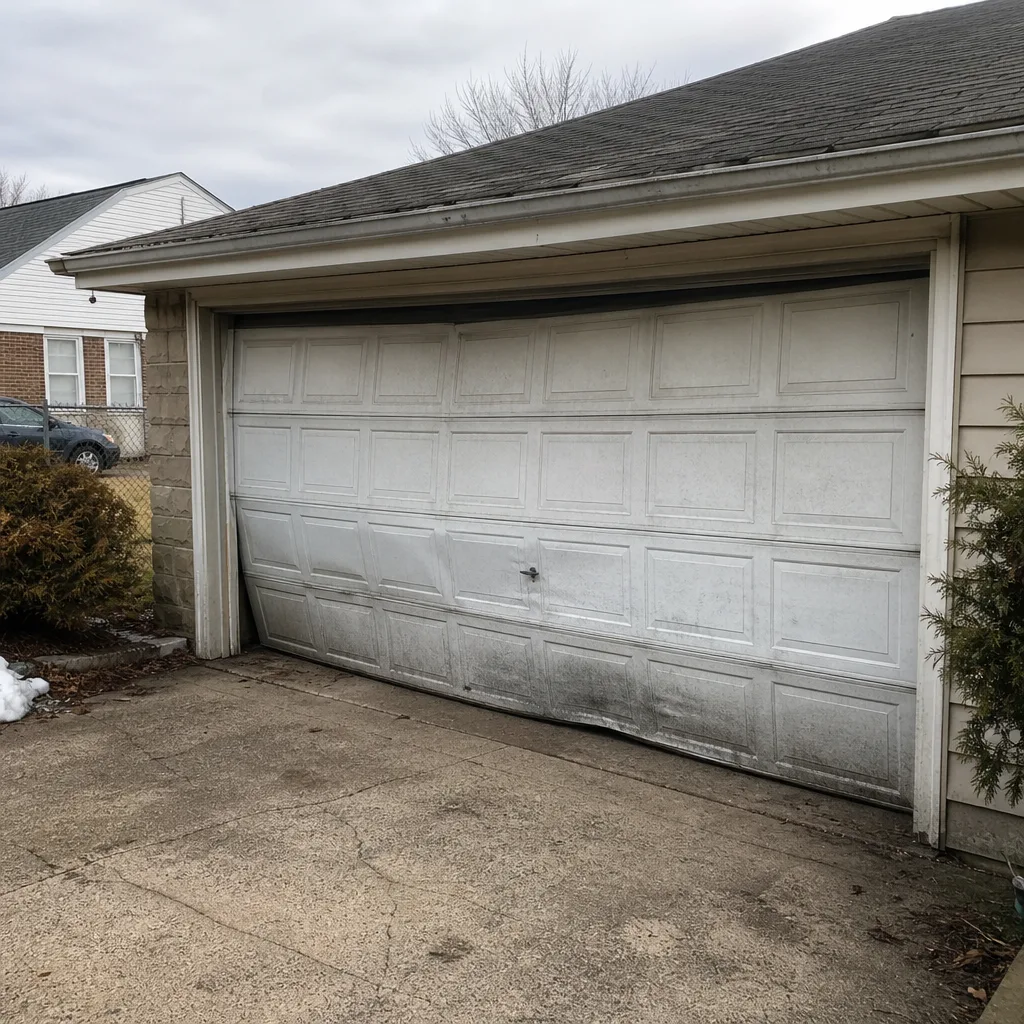 Before
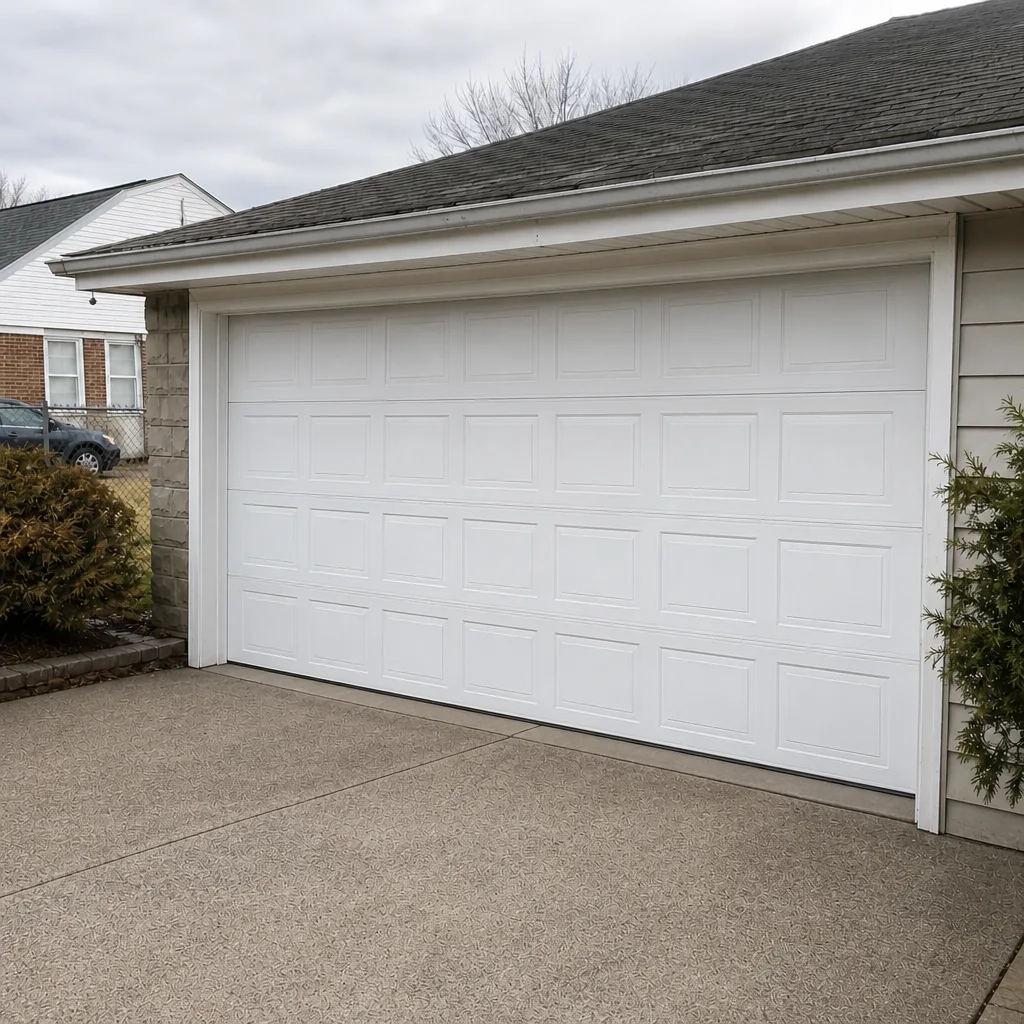 After
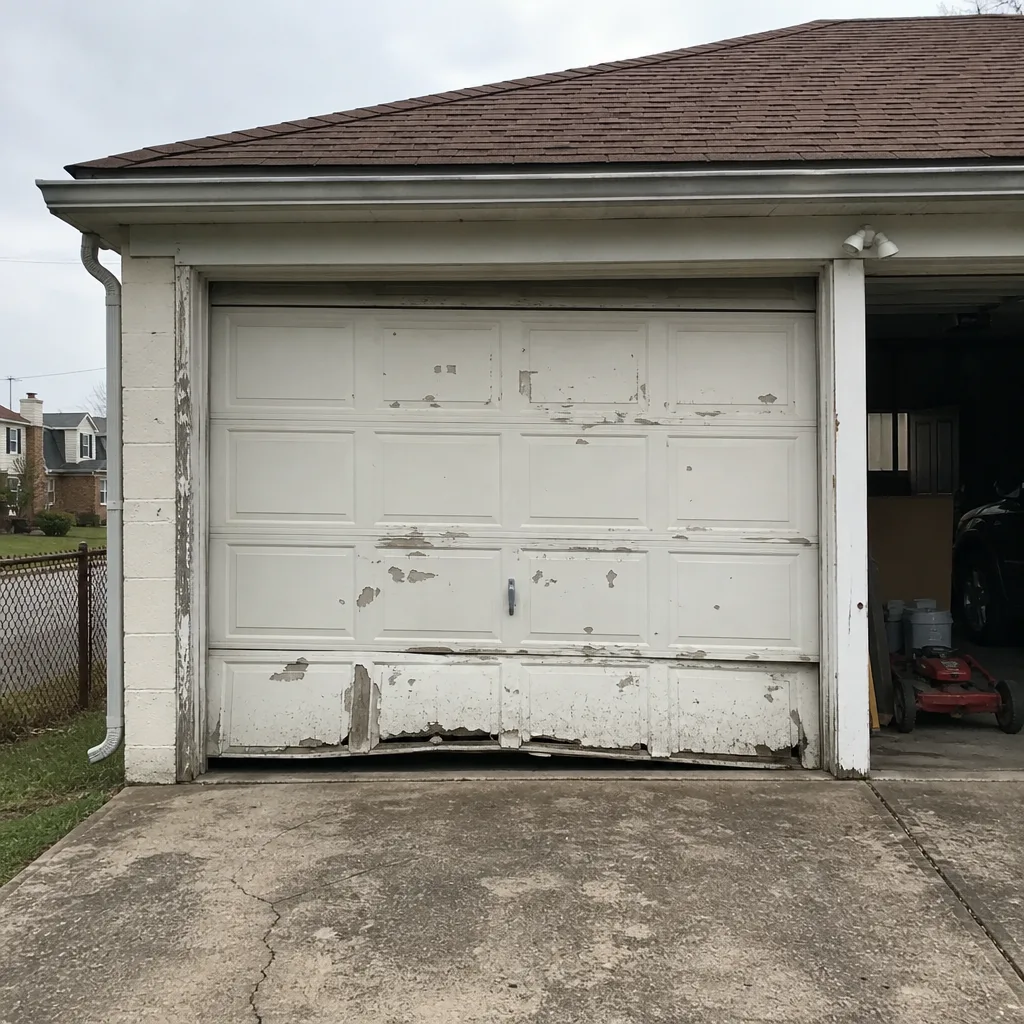 Before
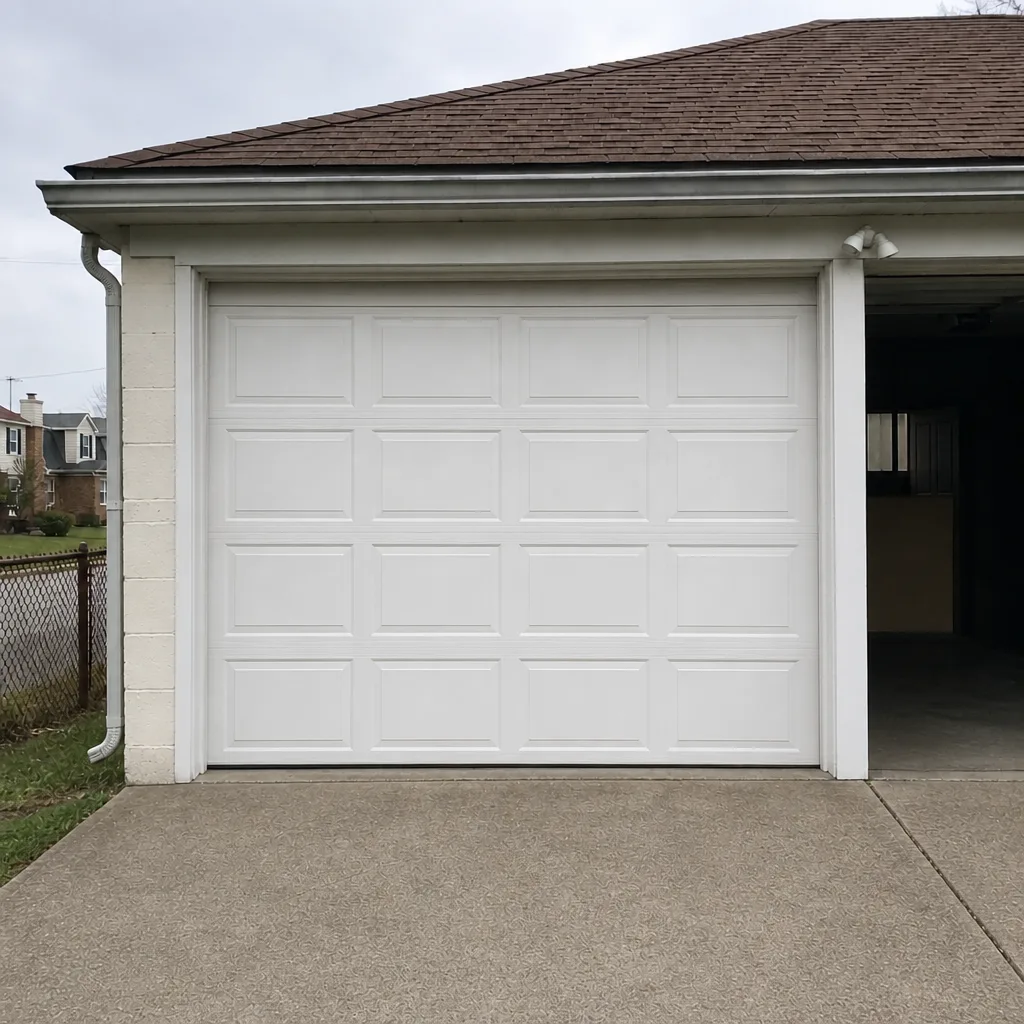 After
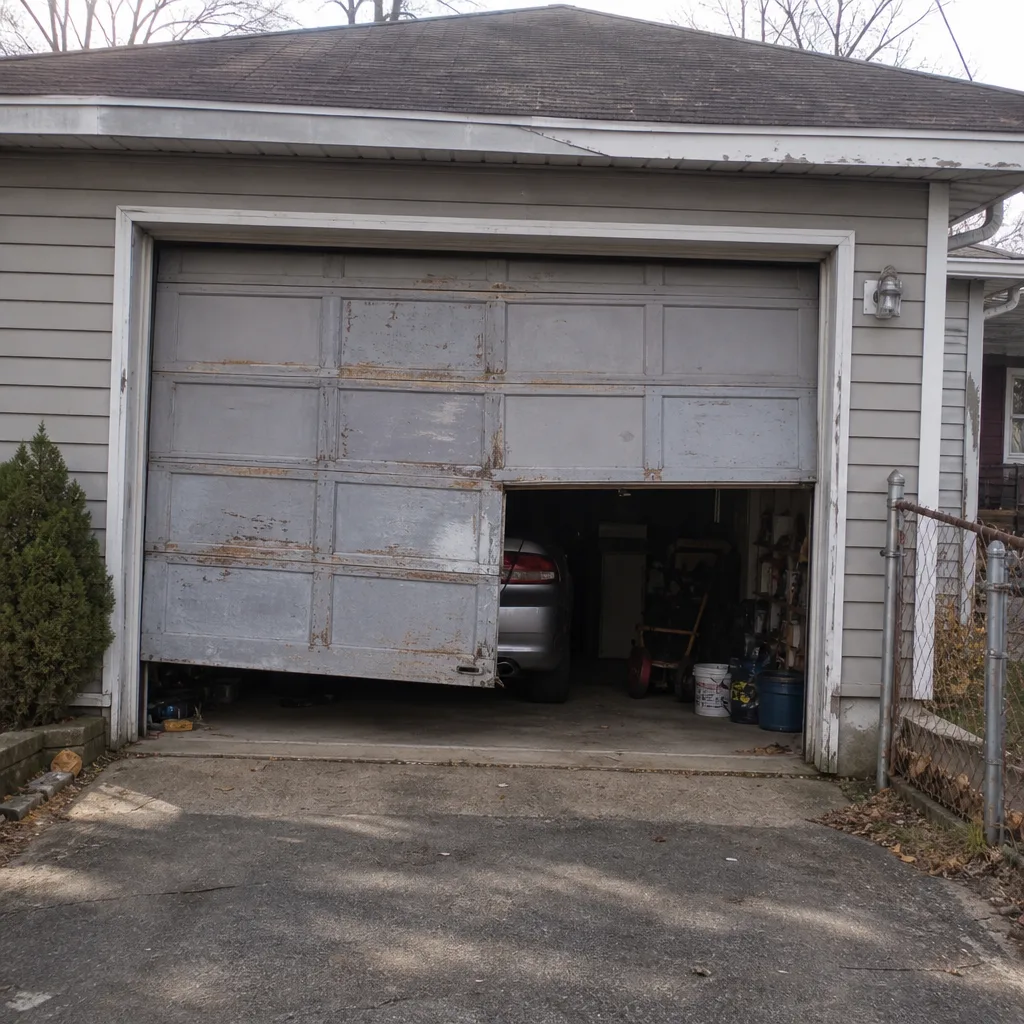 Before
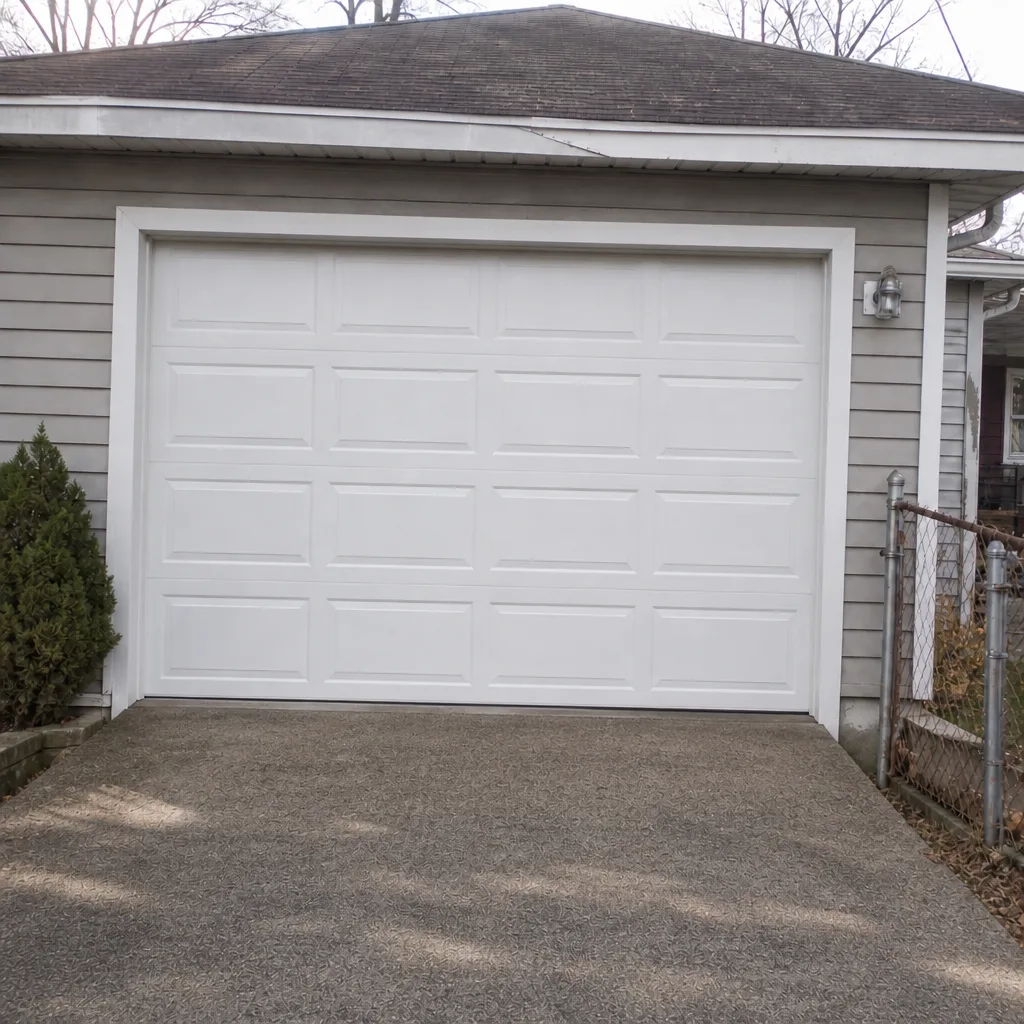 After
When to Call a Professional
If you’ve heard a bang, a pop, or a grinding noise and the door has stopped moving, call a specialist today. If you see a broken spring, a slack cable, or a door hanging unevenly, don’t use the opener. If a car has bumped the track, stop using the door until it’s inspected. Even a grinding or squeaking door that still works should be looked at this week, before the problem gets worse. Springs are dangerous and tracks are structural. Allentown Garage Door Repair Pros offers free estimates in Allentown and works across the major brands, including LiftMaster, Chamberlain, Genie, Clopay, Amarr, Wayne Dalton, Craftsman, and Raynor. Call (866) 594-2373 to book a diagnostic visit or an estimate. Our technicians have up to 11 years of experience.
Frequently Asked Questions
The most common warning signs are grinding, squeaking, rattling, popping, and a door that moves slower than it used to. Grinding and squeaking usually mean worn rollers or dry parts, while a pop followed by the door not opening usually means a broken spring. Call (866) 594-2373 for an assessment so you’re not guessing at the cause.
No, grinding on its own doesn’t mean the door is unsafe to operate, but you should book a repair this week. Grinding means metal is rubbing metal somewhere, and the wearing part will keep getting worse until it fails. A lubrication and inspection job is much cheaper than a repair after a part breaks. Call (866) 594-2373 and we’ll look at it.
A broken spring usually makes a loud pop or bang, and the door stops opening and hangs heavy. A weak spring shows up as slow movement, jerky travel, and a door that sinks when you lift it halfway by hand. Either way, leave the repair to a specialist. Springs are under heavy tension and are genuinely dangerous. Call (866) 594-2373 and we’ll diagnose it safely.
No, not always. A slow door can be a weak spring, but it can also be a dry track, a failing opener, or a door that’s off balance. The best way to narrow it down is to disconnect the opener and lift the door by hand. If it’s still heavy, the spring is the suspect. If it moves easily by hand but the door is slow with the opener attached, the opener is the suspect. Call (866) 594-2373 for a proper test.
No. A slack cable is dangerous and can snap, so stop using the door and call. Cables are under heavy tension, and a cable that’s jumped its drum or lost its anchor can fail without warning. Don’t try to re-tension it yourself. Call (866) 594-2373 and we’ll take care of it.
Yes. In Allentown, winter freeze-thaw cycles and road grit cause the most wear on rollers, hinges, and springs. Spring is when a weakened spring most often breaks after a long winter of flexing. Summer heat can expand tracks and make a door bind, while fall is when homeowners notice a slow door they’ve been ignoring. A monthly check catches most of these before they’re serious.
Repair prices in Allentown depend on the problem and the parts involved, and the written estimate sets the final price. Lubrication and a tune-up are usually the cheapest, while a spring replacement costs more because it’s a two-part job when the springs are matched. We quote and agree on the price before any work starts, and estimates are free. Call (866) 594-2373 for an exact quote.
Often, yes. We offer emergency response for failed doors, and for anything urgent, call (866) 594-2373 and we’ll do our best to get to you quickly. For a grinding or squeaking door that still works, a scheduled visit this week is usually enough. Estimates are free either way.
The Bottom Line
Garage doors tell you what’s wrong if you know what to listen for. Grinding points to worn parts, squeaking to lubrication, popping to a spring, and rattling to loose hardware. A slow or jerky door is spring wear before it’s a noise. When you hear a bang or see a slack cable, stop using the door and call a specialist. When you see grinding or a slow door, call this week. A monthly check catches the rest. From busted to brand-new, we work on the major brands and cover the full lifespan of a residential door. Our technicians have up to 11 years of experience, and our estimates are free. If you’re not sure what a sound means, let us look at it. Call Allentown Garage Door Repair Pros at (866) 594-2373 and get a written estimate before anything is touched, or start from garage door repair and garage door installation to see how we can help with whatever your door needs.
Written by the team at Allentown Garage Door Repair Pros.