Last updated November 21, 2026
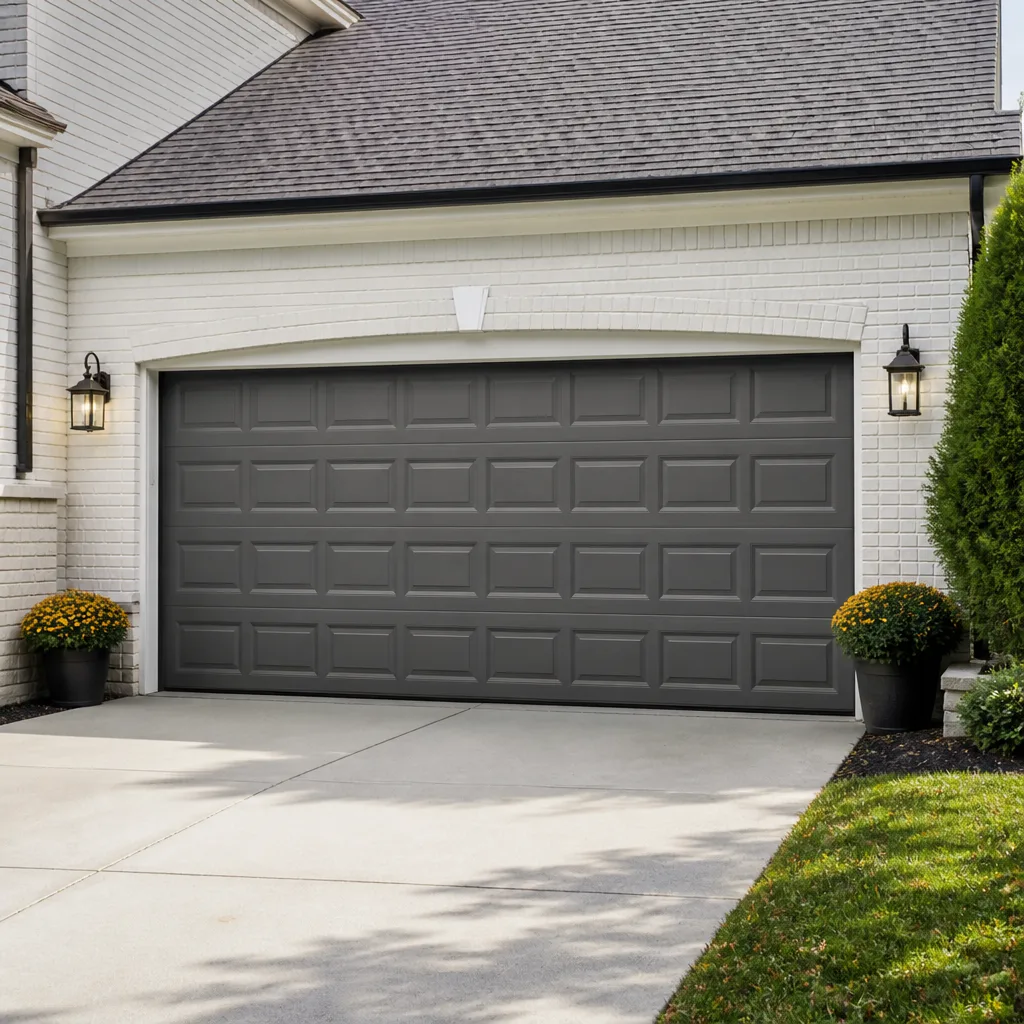 Raised-panel steel
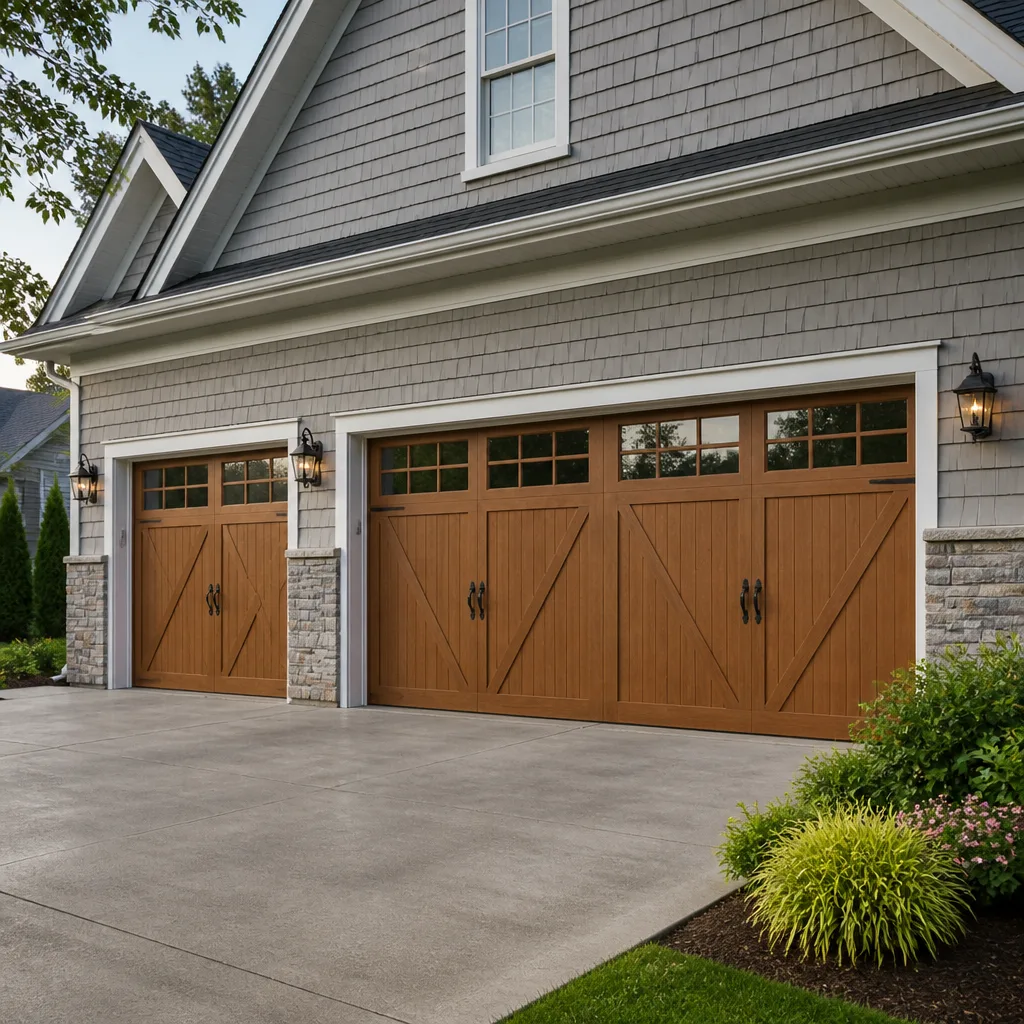 Carriage house
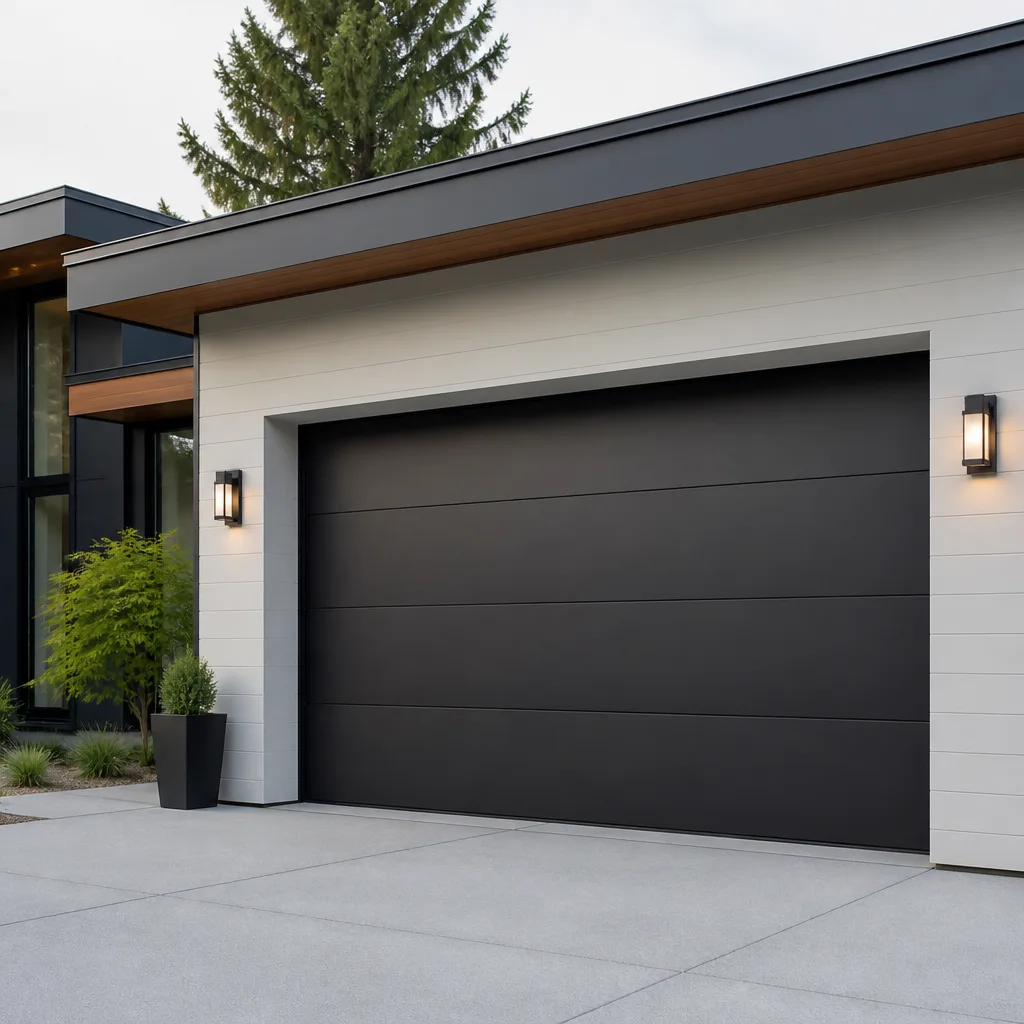 Modern flush
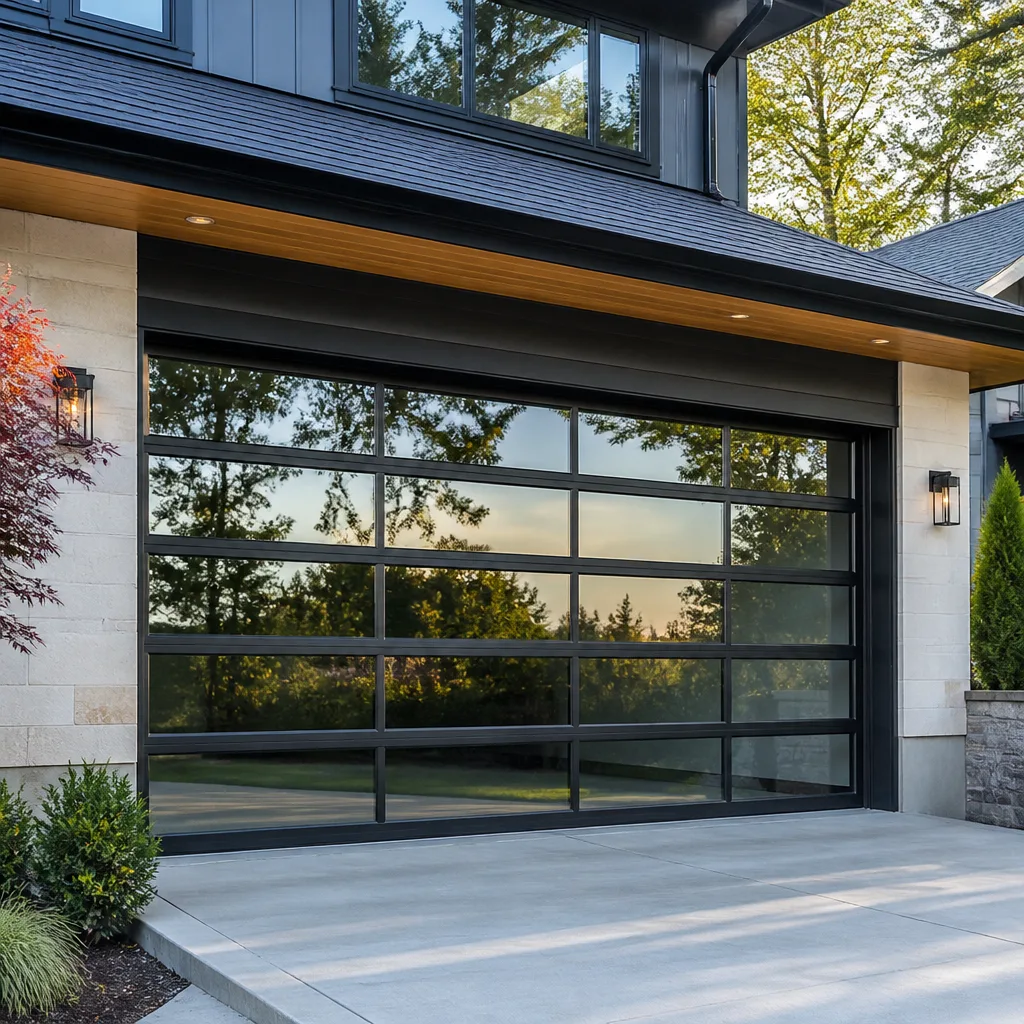 Full-view glass
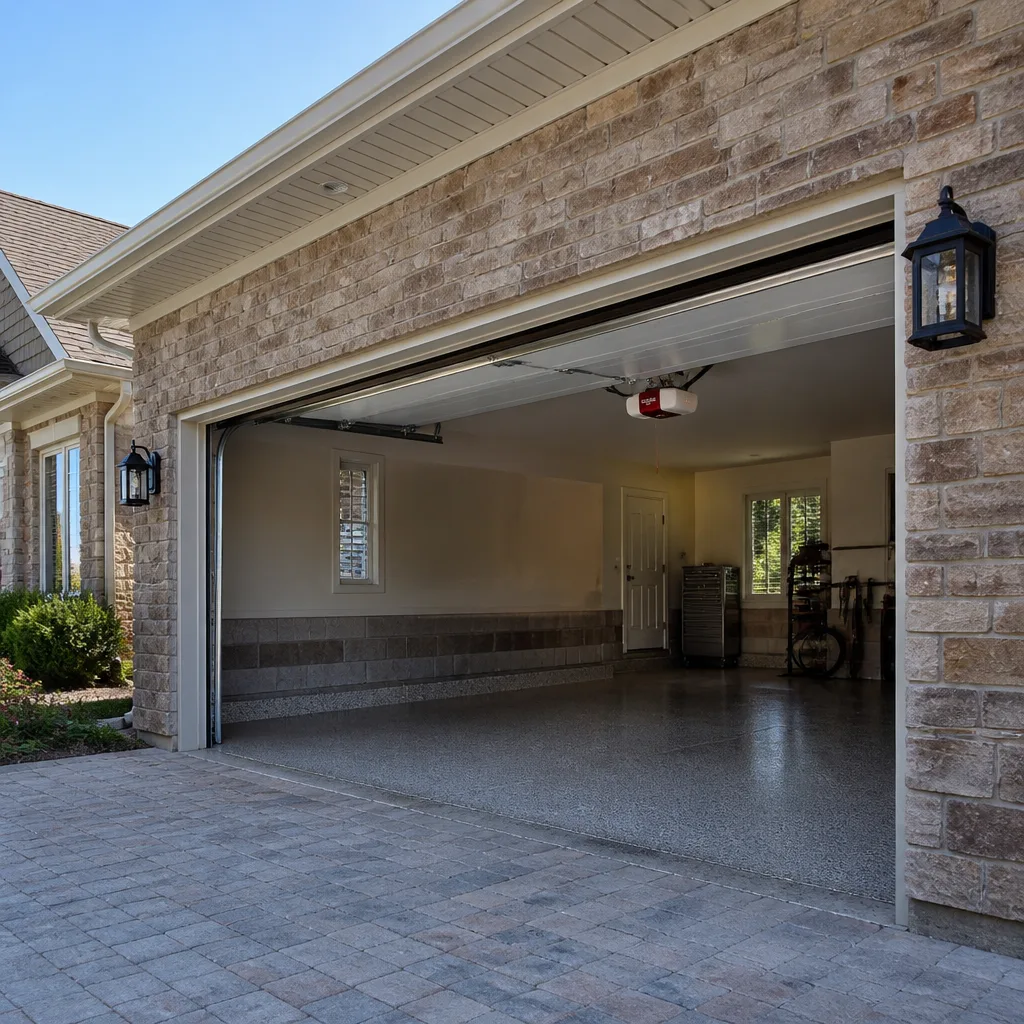 LiftMaster openers
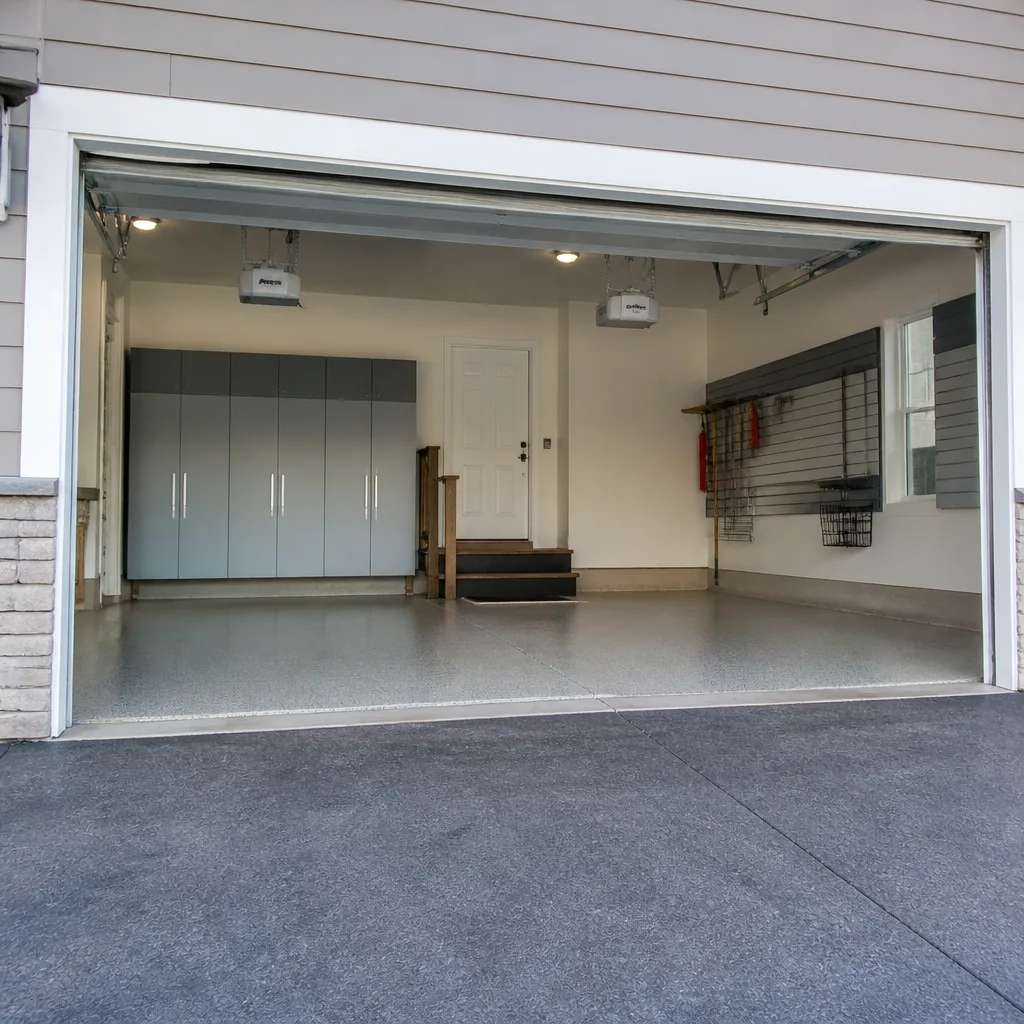 Chamberlain openers
Full 25-point door and opener safety check with every visit - springs, cables, rollers, tracks, and your LiftMaster or Chamberlain opener included
You get a price before we start. It does not change when the pro arrives.
Get your free estimateGarage Door Repair Maintenance Checklist for Allentown Homeowners
Most garage door maintenance checklists floating around online were written for a climate that doesn’t exist here. They tell you to lubricate “twice a year,” wipe down the tracks, and call it done. What they leave out is the part that matters: a torsion spring on a standard door holds 150 to 200 pounds of tension, and some of the “quick fixes” people attempt on that hardware send homeowners to the emergency room every year. This guide gives you a task-by-task checklist built for Allentown – what to check, when to check it, which tasks are safe to do yourself, and which ones you should never touch without training. We’ll cover winter-specific lubrication, the opener safety test almost nobody runs, and how to spot cable or spring wear from a safe distance.
Quick Answer
A garage door in Allentown needs a monthly visual check, lubrication every two to three months during cold weather, a balance and safety-reverse test every six months, and a professional inspection once a year. Spring, cable, and bottom-bracket work is technician-only because those parts hold extreme tension. Everything else – tracks, rollers, hinges, weather seals, and the opener’s safety features – is safe for a homeowner to handle with basic tools.
Styles & brands we work with
- Raised-panel steel
- Carriage house
- Modern flush
- Full-view glass
- LiftMaster openers
- Chamberlain openers
Table of Contents
- Why Allentown Doors Wear Differently
- The Monthly Visual Check (5 Minutes, DIY-Safe)
- Lubrication for Cold Pennsylvania Winters
- Testing Auto-Reverse and Force Settings
- Inspecting Springs and Cables from a Safe Distance
- The Technician-Only Tasks
- How Often Each Task Should Actually Happen
- Opener and Remote Maintenance
Why Allentown Doors Wear Differently
The Lehigh Valley gives garage doors a workout. Summer humidity swells wood and stresses steel hardware, then a cold snap hits and every metal component contracts. That constant freezing and thawing through winter works grease out of hinges, stiffens rollers, and makes a door that ran quietly in October sound like it’s dragging by January. Homes in the West End and along the older blocks near downtown usually have doors installed decades ago, which means their springs have cycled tens of thousands of times and their rollers may be the original nylon. Newer construction out toward the township edges tends to have insulated steel doors on modern openers – a different set of wear points altogether.
Snow and road salt get tracked into garages on the undersides of cars, and that grit finds its way into tracks and rollers. Between the temperature swings and the salt, an Allentown door sees more mechanical stress in a winter than the same door in a mild climate would see all year. That’s why the “twice a year” rule of thumb isn’t enough here – we’ll get to a real schedule further down.
The Monthly Visual Check (5 Minutes, DIY-Safe)
A quick once-a-month walk-around catches most small problems before they become expensive ones. You don’t need tools – just your eyes and your ears. Do this check in good daylight with the door closed first, then opened.
Here’s the sequence:
- Watch the door run. Open and close it from the wall control and watch the full travel. It should move smoothly and evenly, with no shudder, no visible wobble, and no grinding sound.
- Listen for the sound. A healthy door hums. A grinding, screeching, or clicking noise means a roller, hinge, or bearing is dry or failing.
- Check the tracks. Run your hand lightly along each vertical and horizontal track (door closed, springs at rest). Look for dents, bends, and any place where a roller is riding off-center.
- Look at the weather seal. The rubber or vinyl strip along the bottom should sit flat against the concrete. Crushed or torn seals let in cold air, water, and small pests – common problems in Allentown garages.
- Spot the door hardware. From the floor, look at hinges and the bottom bracket. Check for loose bolts (you’ll see a gap or wobble) – tighten hinge bolts with a wrench, but never touch the bottom bracket, which is under cable tension.
- Check the door’s balance. With the door closed, disconnect the opener (pull the release cord). Lift the door by hand halfway and let go. A properly balanced door stays put; one that drifts down or slams up indicates a spring problem.
That’s the whole check. If anything looks or sounds off, note it and keep reading – some issues are routine fixes, others need a specialist.
Lubrication for Cold Pennsylvania Winters
This is where most online advice gets people into trouble. You’ll see “just spray some WD-40 on it” repeated everywhere. Don’t. WD-40 is a solvent and light penetrating oil, not a lasting lubricant – it thins out existing grease, attracts dust, and leaves metal drier than it started. In a Lehigh Valley winter, that means your hinges and rollers stiffen up and start grinding within weeks.
What actually works: a lithium grease or a silicone-based garage door lubricant on rollers, hinges, and the torsion spring. White lithium spray handles cold temperatures well and stays where you put it.
Here’s what to lubricate, and with what:
- Rollers and hinges: A few drops of lithium grease or silicone spray at each hinge pivot and roller stem, every two to three months. Wipe away the excess.
- The torsion spring: A light coat of silicone spray once or twice a year – this reduces friction and, more importantly, helps you see corrosion. Never put your hands on the spring itself; just spray from a distance with the door closed and the opener disengaged.
- The opener rail and chain: A small amount of lithium grease on the rail, not the chain if it’s belt-driven (belts need no lubrication). Check your opener manual – some Genie and LiftMaster chain drives need periodic grease, others don’t.
- Tracks: Do not lubricate the tracks themselves. They’re meant to be clean and dry – grease on the track surface attracts grit and causes rollers to skip. Wipe tracks clean with a damp cloth.
A word of caution for cold snaps: if the door runs stiff in sub-freezing weather, don’t force it. Stiffness usually means a dry roller, a failing bearing, or a spring that’s lost tension. Lubricating is fine; ignoring it isn’t.
Testing Auto-Reverse and Force Settings
Almost every homeowner skips this test, and it’s the single most important safety check you can run. The auto-reverse feature is what stops a closing door from crushing a child, a pet, or a car. In Allentown winters, the photo-eye sensors in particular tend to get dirty, misaligned by snow, or fogged with condensation.
Here’s how to test both safety features, monthly:
- The photo-eye test. With the door open, wave a broomstick or a piece of cardboard across the beam between the two sensor eyes near the floor at the bottom of the tracks. If the door reverses immediately, the eyes are working. If it keeps closing, the eyes are dirty, misaligned, or have a blocked lens – clean them and re-check.
- The physical reverse test. Place a flat 2×4 board flat on the floor in the center of the door’s path. Close the door. It should hit the board, reverse direction, and back off within a few inches. If it pushes down onto the board and grinds, the force setting is too high.
- Adjusting force settings. Modern openers (most Genie and Chamberlain models, for example) have force settings adjustable on the motor housing – typically small dials or set screws labeled “up force” and “down force.” Turn them down slightly if the door is crushing through resistance. Turn them up if the door reverses without reason. Make small changes and re-test each time.
If a door won’t complete the reverse test after adjustment, stop using it and have it looked at. A door that ignores obstruction is a real danger. Our garage door opener repair service handles exactly this kind of issue if you’d rather not touch the settings yourself.
Inspecting Springs and Cables from a Safe Distance
Springs and cables are the two components that injure the most homeowners, and they’re also the two you should examine without ever touching. Look, don’t lean in. Both are under heavy tension even when the door is at rest – a visible warning sign is a reason to call, not to investigate closer.
What to look for on springs (torsion springs run horizontally across the header above the door; extension springs run along the sides):
- A visible gap in the coil – any gap means a broken spring. The door may still lift partway, but it’s unsafe to operate.
- Rust, especially around the coil’s end cones, is common in Lehigh Valley garages with damp concrete floors.
- A door that runs fine but takes more effort to lift (or feels light in your hand) than it used to often signals a spring that’s losing tension.
- On extension springs, check whether the safety cables (the thin steel cables running through the center of the spring) are intact. If cables are missing, that’s a code-era issue in many garages built before cables were standard – worth flagging.
What to look for on cables (the steel cables that run from the bottom corners up to the drums):
- Frayed strands sticking out sideways – a frayed cable is not far from breaking.
- Any slack or visible dangle. A slack cable on an intact door means something’s wrong upstream.
- Uneven door travel – if one side lags behind the other, a cable or drum is likely at fault.
If you see any of these, don’t operate the door. Springs and cables are dangerous – leave them to a specialist. Our garage door repair covers spring and cable work as a named specialty, and every job starts with a written estimate before anything is touched.
The Technician-Only Tasks
These are the jobs where the DIY checklist stops. Each involves stored mechanical energy that can release without warning. Our rule is simple: if a task requires you to loosen a bolt that holds a cable, spring, or bottom bracket, it’s not a maintenance task – it’s a repair.
The technician-only list:
- Spring replacement or adjustment. Both torsion and extension springs are under 150 to 200 pounds of tension. Loosening the wrong set screw can send a spring unwinding through the housing – the reason this is one of the highest-injury residential repairs.
- Cable repair or replacement. Cables are what actually hold the door’s weight against the springs. The bottom bracket that anchors them can whip loose if a cable fails.
- Bottom bracket and drum work. Adjusting either is a spring-tension job in disguise. Never loosen a bottom bracket bolt.
- Roller replacement on torsion-spring doors. Replacing a roller with the door raised means working around a live spring. A pro does this with the tension safely managed.
- Track realignment after damage. A bent or knocked track usually means something put force on it – the door frame or hinges may need inspection too.
- Opener motor or logic board replacement. Not inherently dangerous, but miswiring or a mismatched opener can cause the door’s force and travel limits to behave erratically. An experienced technician sets these correctly the first time.
If you’re not sure whether a repair falls into this category, ask. When you call Allentown Garage Door Repair Pros at (866) 594-2373, the first question we ask is what the door is doing – and we tell you straight whether it’s a homeowner task or a job that needs our tools. Same door, same day for repair calls across Allentown.
How Often Each Task Should Actually Happen
The “twice a year” schedule you see everywhere was written for a mild climate. In Allentown, the freeze-thaw cycle through winter compresses the useful interval for some tasks dramatically – lubrication especially. Here’s the real schedule, task-by-task:
- Visual walk-around (sound, motion, tracks, seals): Monthly. Cheap to do, catches problems early.
- Lubricating rollers and hinges: Every two to three months. Every six weeks through winter if the garage is unheated.
- Opener safety-reverse test: Monthly during the heating season (when the eye sensors are most likely to get dirty), quarterly the rest of the year.
- Balance test (disconnect opener, halfway lift): Every three months.
- Lubricating the torsion spring: Once or twice a year – spring, and fall, to catch the seasonal transitions.
- Cleaning tracks: Every six months.
- Wiping the weather seal: Every three months, and before winter arrives.
- Professional inspection: Once a year. This covers spring tension measurement, cable inspection under load, opener force and travel recalibration, and hinge and roller wear you can’t see from the floor.
- Battery replacement in remotes and keypad: Annually, or when range drops noticeably.
The single biggest local adjustment is lubrication. An Allentown door that gets its grease every six months in a mild climate schedule goes dry and starts grinding by January. Stick to three months, and shorter through winter if you notice stiffness.
Opener and Remote Maintenance
Openers are more reliable than most homeowners expect, but they do need a few checks. The first is what every instruction manual says: keep the safety eyes clean and aligned. Beyond that, there’s maintenance the manuals don’t emphasize.
Run through this quarterly:
- Check the light bulb and sensor LEDs. Most openers have a pair of small LED indicator lights on the photo-eye sensors – one green, one amber or red – that tell you the sensors are powered and talking to each other. If either is off or flickering, clean the lens and check the wiring connections.
- Test both remotes and the wall control. A remote that only works from close range signals a weak battery or a worn transmitter. Swap batteries before assuming the opener is failing.
- Check the manual release. With the door closed, pull the red release cord – the trolley should detach cleanly. Re-engage by running the opener once. If the release is hard to pull or won’t detach, a technician should look – it’s a safety disconnect.
- Inspect the opener rail and belt/chain. Look for sag, debris, or excessive wear on the chain or belt. Chain drives often need a light coat of grease annually; belt drives typically need no lubricant but do check for wear.
- Test the wall control’s lock/vacation feature if you have one. A common source of “my remote stopped working” calls is a lock button left engaged.
If your opener is a LiftMaster, Chamberlain, or Raynor and something has failed, we stock knowledge of these brands specifically – it’s the kind of thing our team handles every week around Allentown. Opener issues often coexist with spring or balance problems, so it’s worth having someone look at both together.
Common Mistakes to Avoid
- Spraying WD-40 on the rollers and tracks. It thins out real lubricant and leaves the metal dry in a week. Use lithium grease or silicone spray.
- Lubricating the tracks themselves. Tracks are designed to run dry. Grease on the track attracts grit that chews up rollers over a winter.
- Adjusting the force setting higher to “fix” a stiff door. A stiff door usually means a dry roller, a worn bearing, or a spring losing tension. Raising the force masks the problem and defeats the safety feature.
- Forcing the door open or closed after a spring breaks. Without a spring, the door’s weight falls entirely on the opener and cables – running it can damage the door, the opener, and the person operating it. Leave it be and call.
- Ignoring a frayed or slack cable. A frayed cable is a broken cable waiting to happen, and it happens under tension. This is the most common “I thought it was fine” call we get.
- Assuming all brands are the same. Parts and settings differ across Genie, Chamberlain, LiftMaster, and Raynor openers. Homeowners sometimes buy a “universal” part that doesn’t fit, then wonder why the door misbehaves. If you’re unsure of your brand, call before buying.
- Skipping maintenance entirely until winter. The first cold snap is when problems surface. Doing lubrication and checks in the fall is a much cheaper path than an emergency call in January.
See the difference
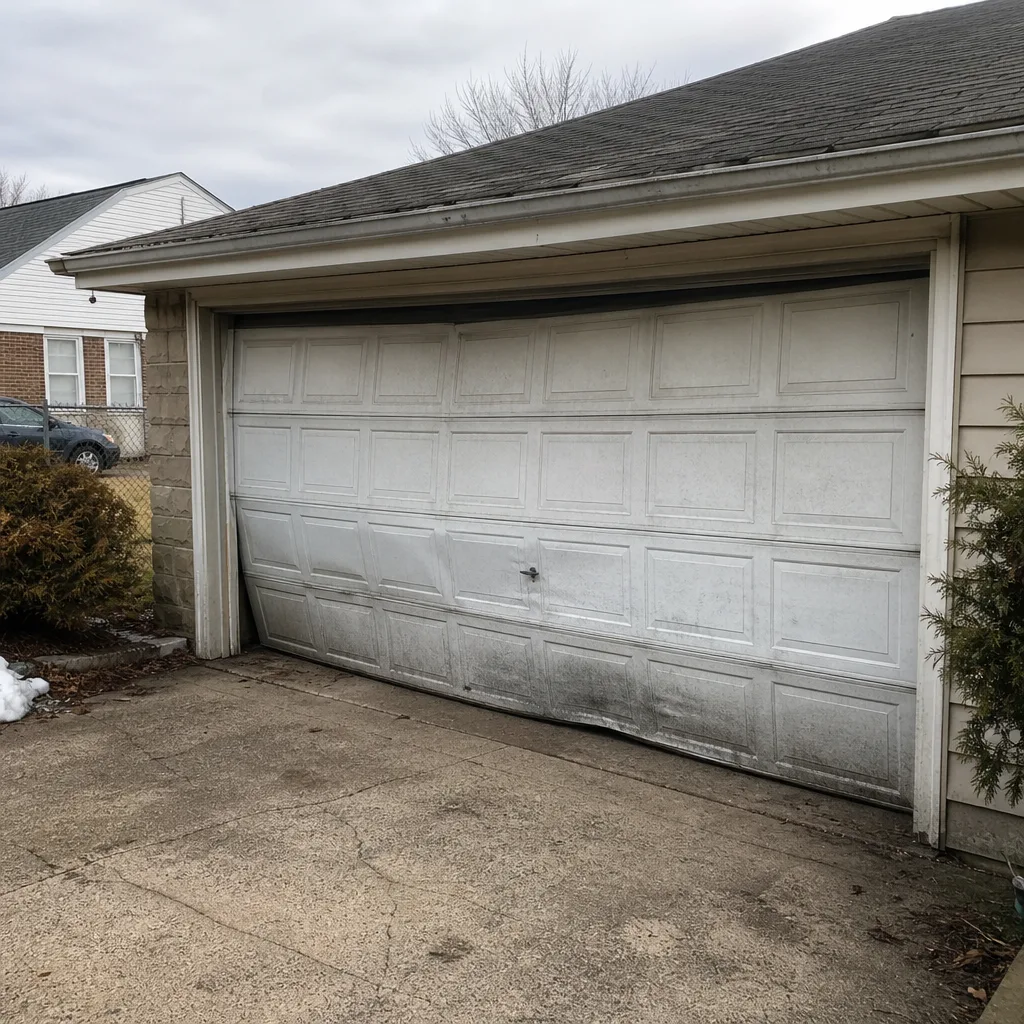 Before
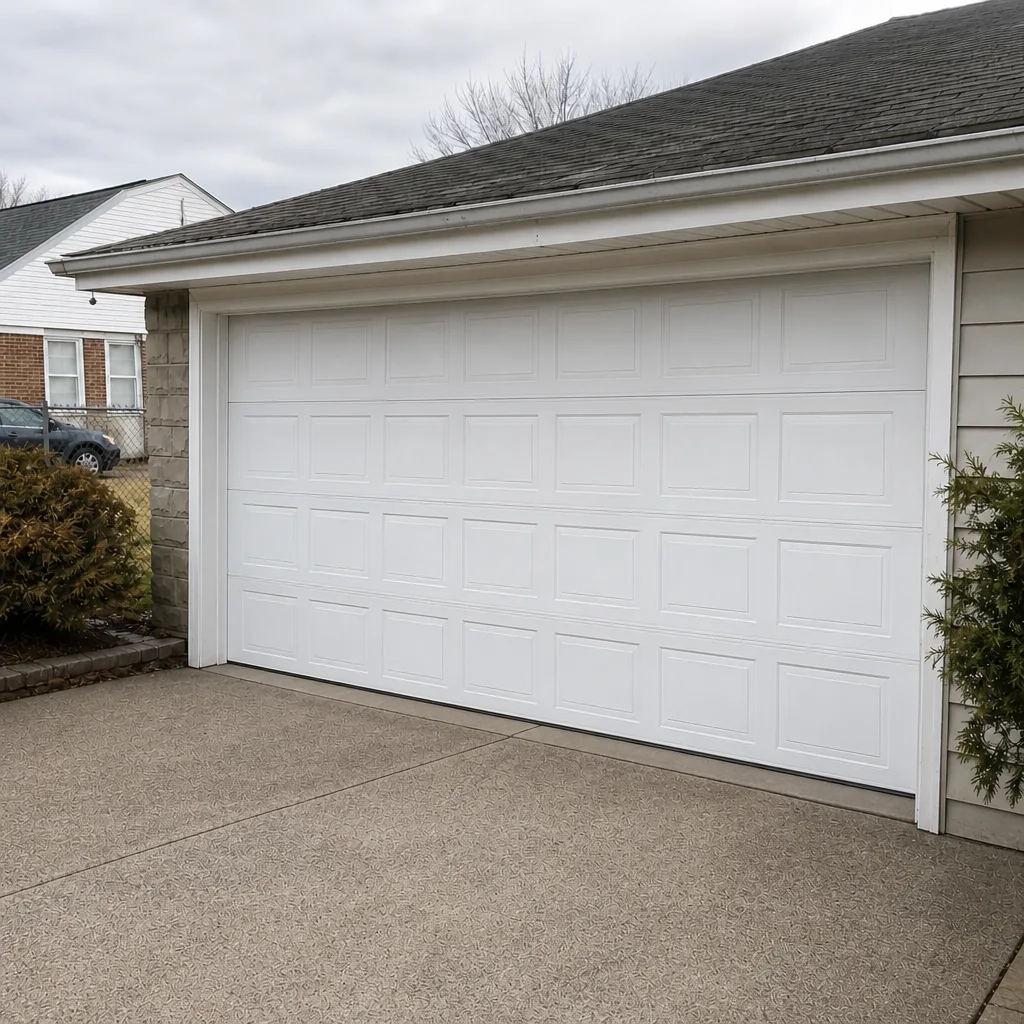 After
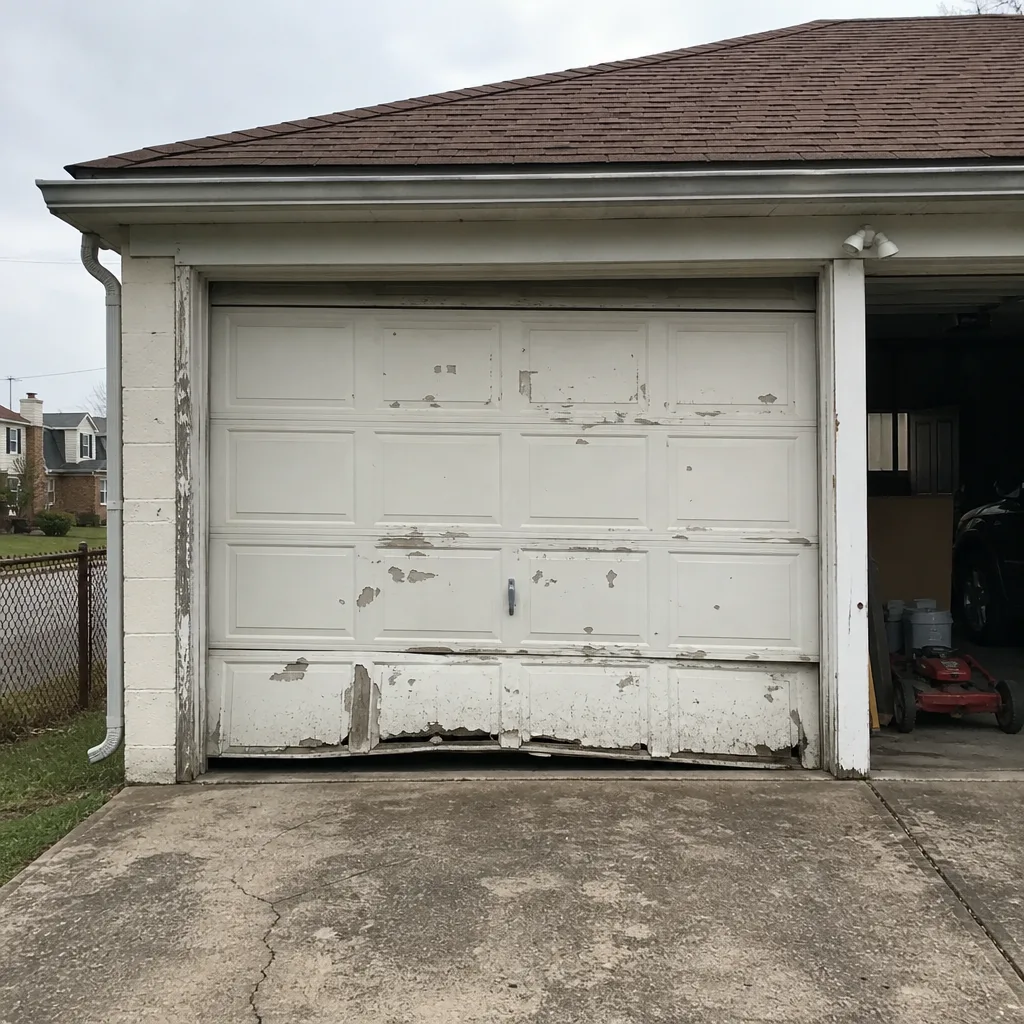 Before
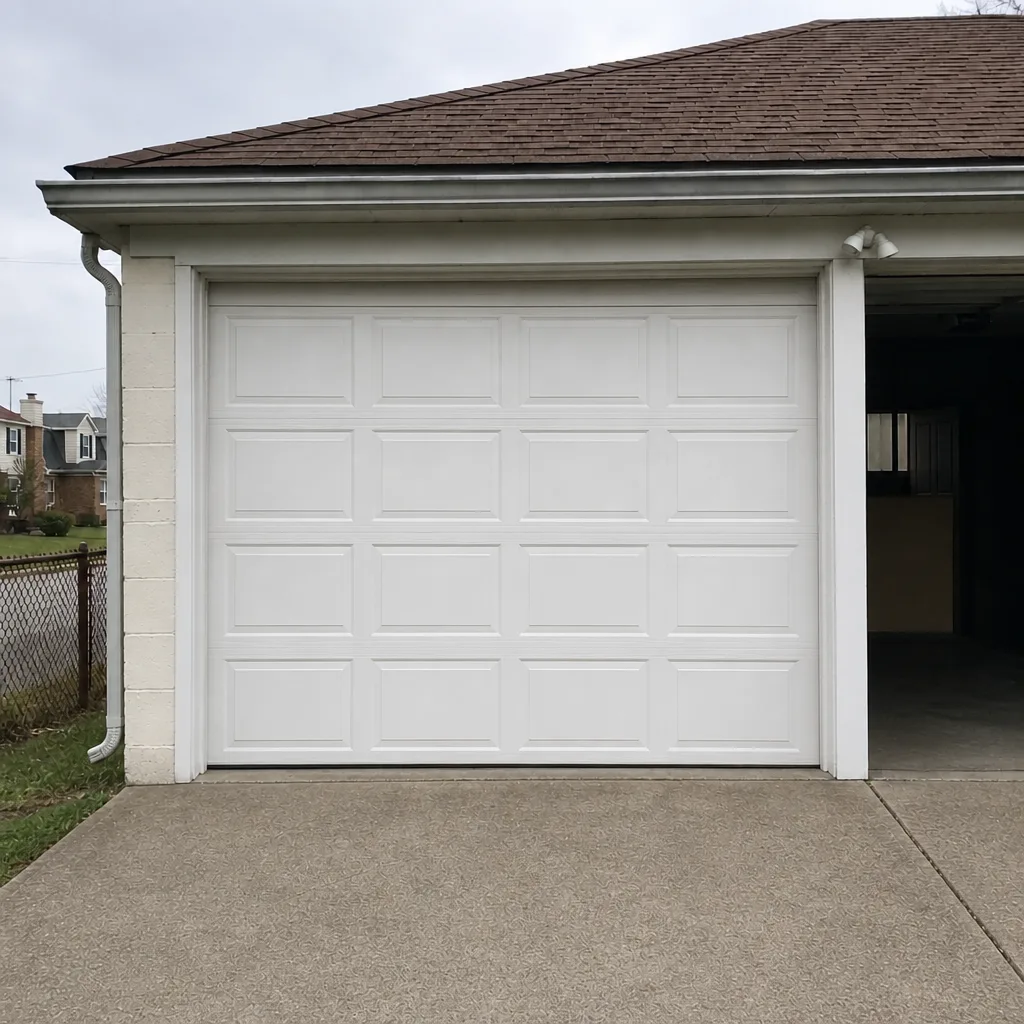 After
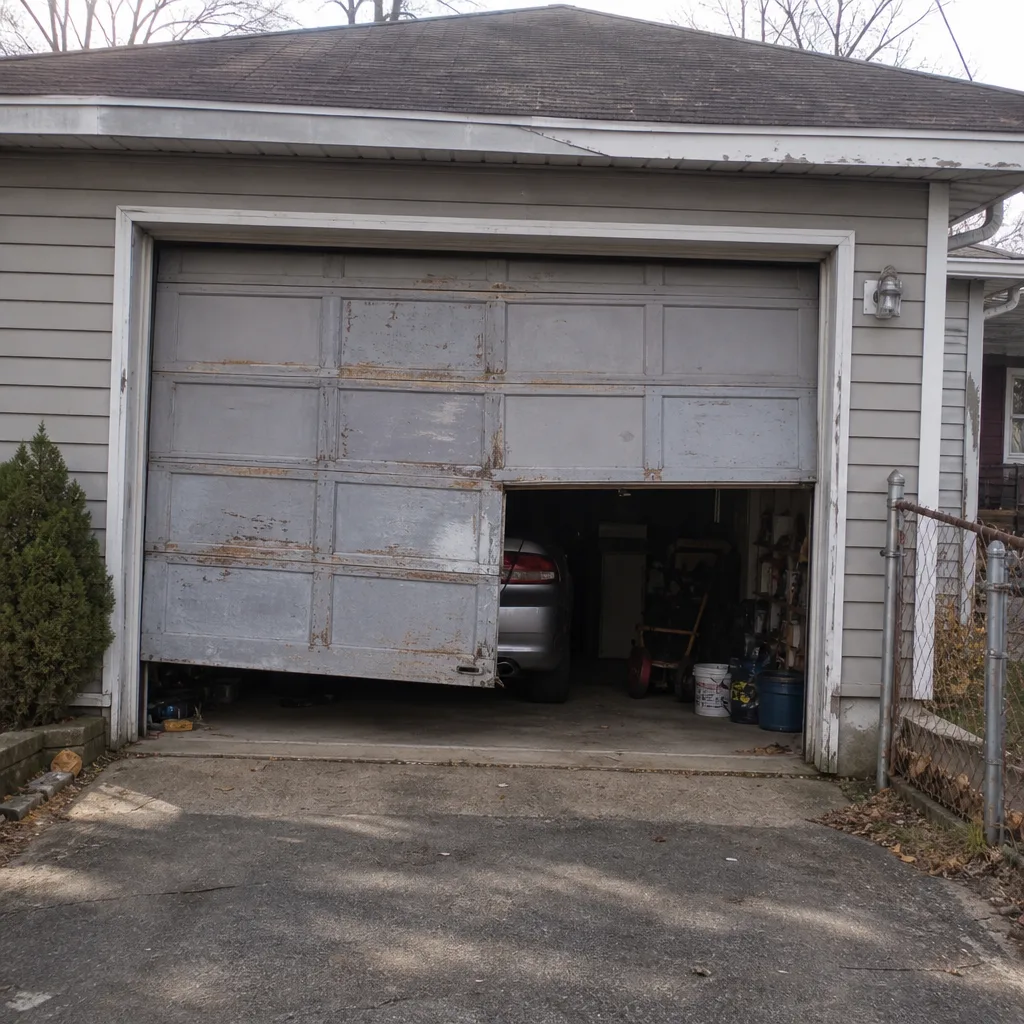 Before
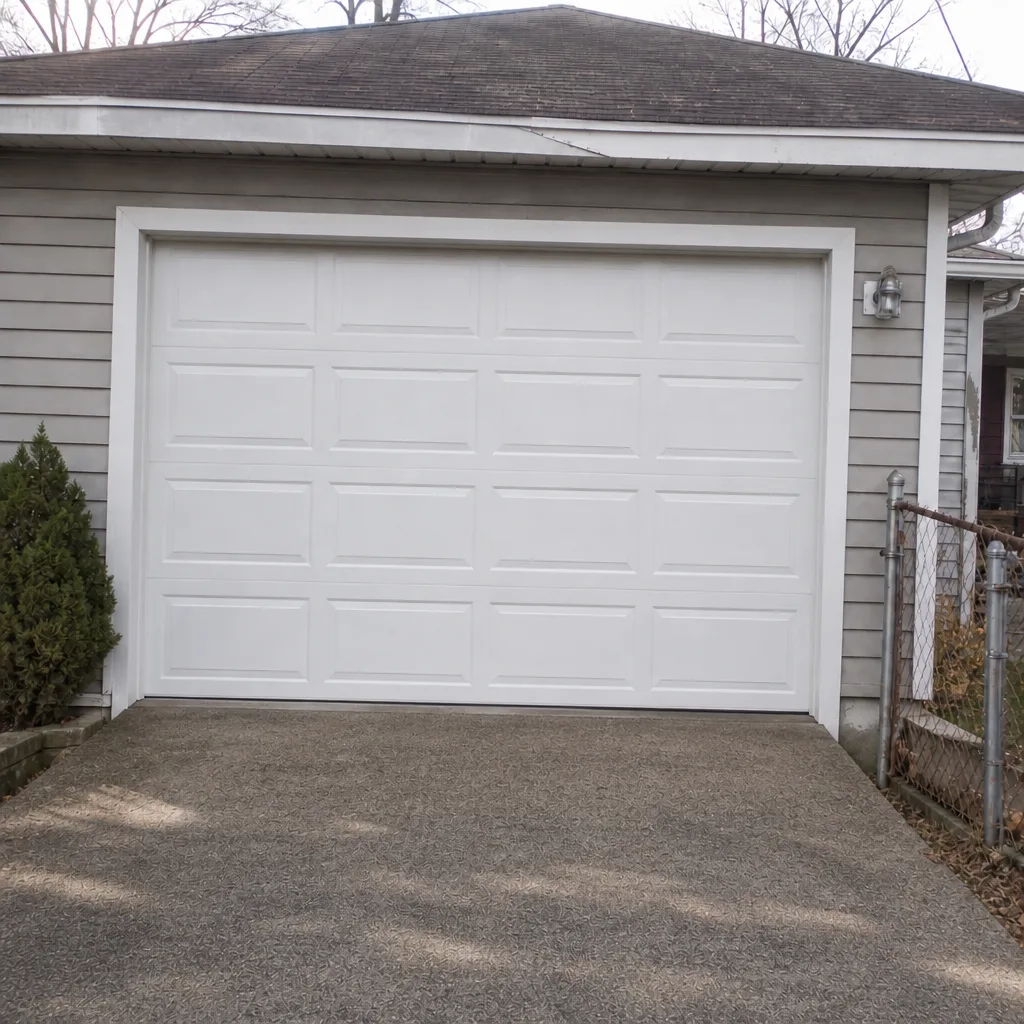 After
When to Call a Professional
Some things just need to be checked by someone with the right tools. Call us if any of these apply: your door makes a loud metal bang and won’t lift (broken spring); you see frayed or slack cables; the safety-reverse test fails and adjustments don’t fix it; the door is visibly out of balance, drifting or slamming when you disconnect the opener; a track is bent; the opener cycles on and off unexpectedly or won’t reverse; or the door has never had a professional inspection in the last year. In Allentown, the combination of age (older stock in the West End and near downtown) and the cold cycle means doors that “ran fine” last summer often need a look by fall. Allentown Garage Door Repair Pros offers free estimates in Allentown – call (866) 594-2373.
Frequently Asked Questions
Every two to three months, and every six weeks through winter if the garage is unheated. Cold weather stiffens lubricant and drives out moisture, so winter lubrication is the most important one. Use lithium grease or silicone spray, never WD-40. If your door starts squealing in December, it was overdue in October.
No. Springs are under 150 to 200 pounds of tension and either type – torsion or extension – can injure you badly if released incorrectly. This is one of the most dangerous residential repairs there is. If your spring has broken or feels weak, call us at (866) 594-2373 – we handle spring repair as a specialty.
A typical annual tune-up runs $99 to $189, and a spring repair runs $180 to $340 for a single spring (pairs cost roughly double). Every job is quoted and agreed before we start. Estimates are free, so call (866) 594-2373 for an exact figure.
Lay a 2×4 flat in the center of the door’s path and close the door. It should hit the board and reverse within a few inches. If it grinds down on the board, the force setting is too high. Test monthly, and clean the photo-eye sensors between the tracks first.
Start with the photo-eye sensors – dirty or misaligned eyes cause most intermittent failures. Then check the remote batteries and the wall control’s lock feature. If the door itself operates stiffly, the problem may not be the opener at all – a dry roller or losing spring can make the opener strain and behave unpredictably. Our opener repair team handles diagnostics for all major brands.
Most of the checklist is DIY-safe: monthly visual checks, lubrication, the safety-reverse test, and cleaning tracks. The moment a task touches a spring, cable, bottom bracket, or drum, stop and call. That line isn’t a marketing tactic – it’s the line between routine maintenance and the repairs that send people to the ER.
The Bottom Line
The short version: run a 5-minute visual check monthly, lubricate with the right products every three months (shorter through winter), test the auto-reverse monthly, and have a professional inspect the whole system once a year. The “twice a year” advice you see everywhere is too thin for Allentown’s climate. Every repair or installation should start with a written, agreed quote before work begins – that’s the standard, and that’s the rule. If anything on your door makes noise, wobbles, or fails a safety test, call us at (866) 594-2373 for a free estimate. Allentown Garage Door Repair Pros handles repair, opener work, and garage door installation across all eight major brands – Raynor, LiftMaster, Chamberlain, Genie, Clopay, Amarr, Wayne Dalton, and Craftsman. From busted to brand-new, we’re here to help you get the door working.
Ready to Book Your Maintenance Visit?
If the checklist above turned up a problem you’d rather not tackle yourself, or you’d simply like a professional inspection to catch wear before it becomes a failure, call Allentown Garage Door Repair Pros at (866) 594-2373. We offer free estimates in Allentown, same-day repair for urgent door failures, and honest quotes you’ll agree to before any work starts. You can also review our full range of services on our local repair page to see how we handle emergency calls, or reach out through our main site at Allentown Garage Door Repair Pros for service across the Lehigh Valley.
Written by the team at Allentown Garage Door Repair Pros.