Last updated November 21, 2026
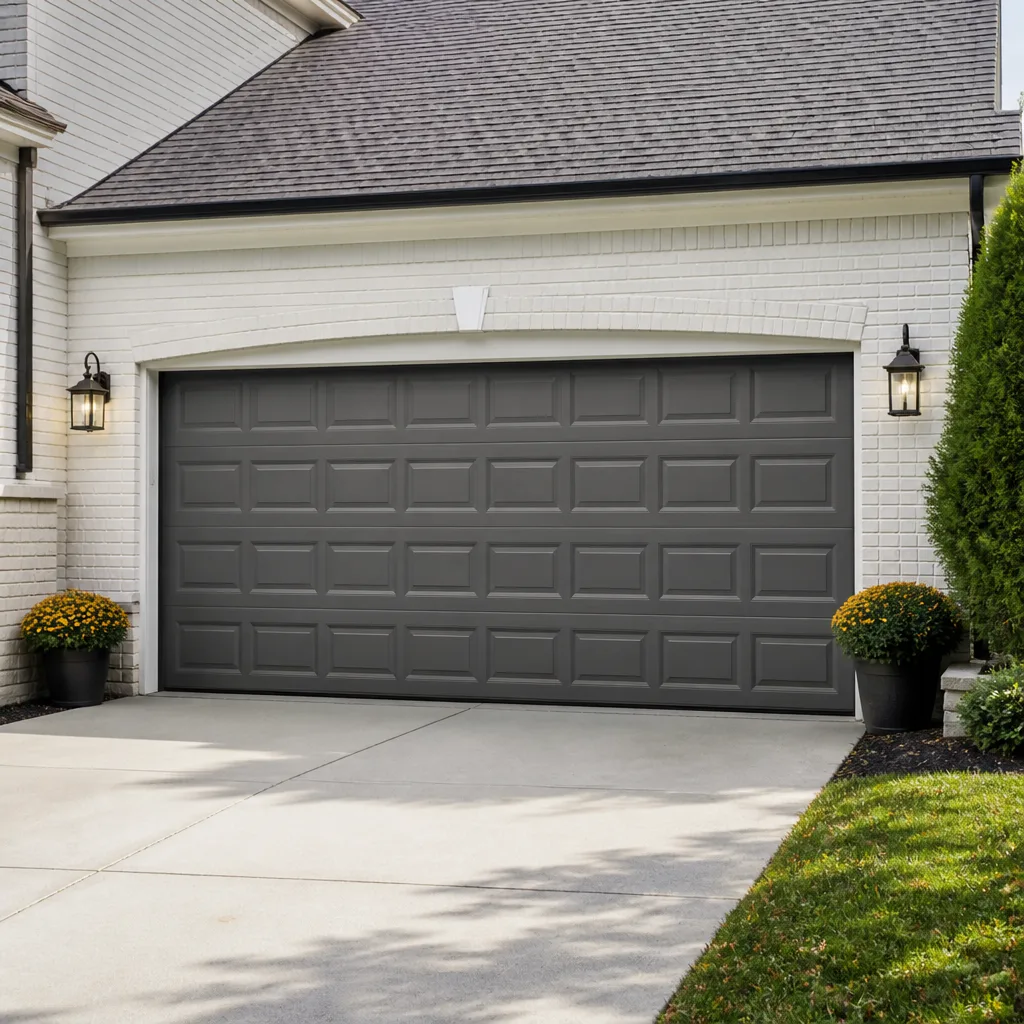 Raised-panel steel
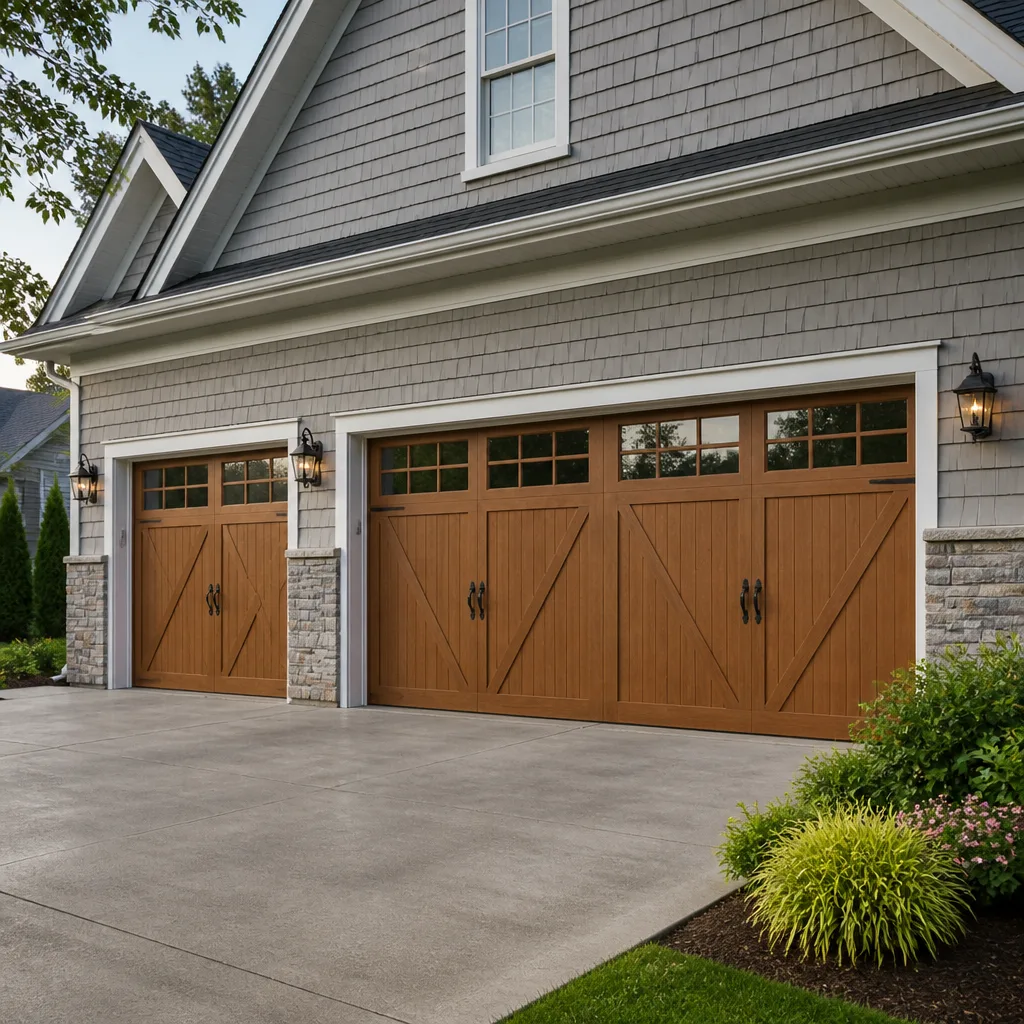 Carriage house
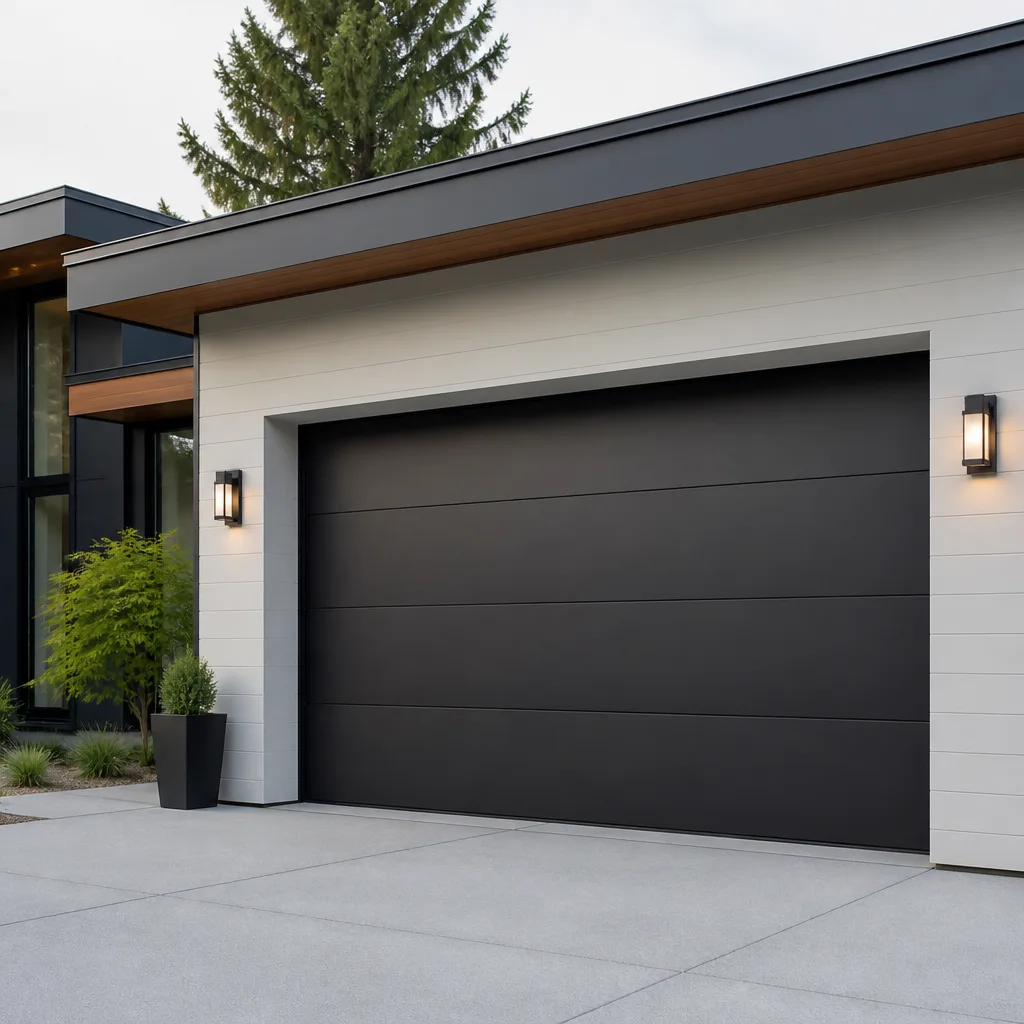 Modern flush
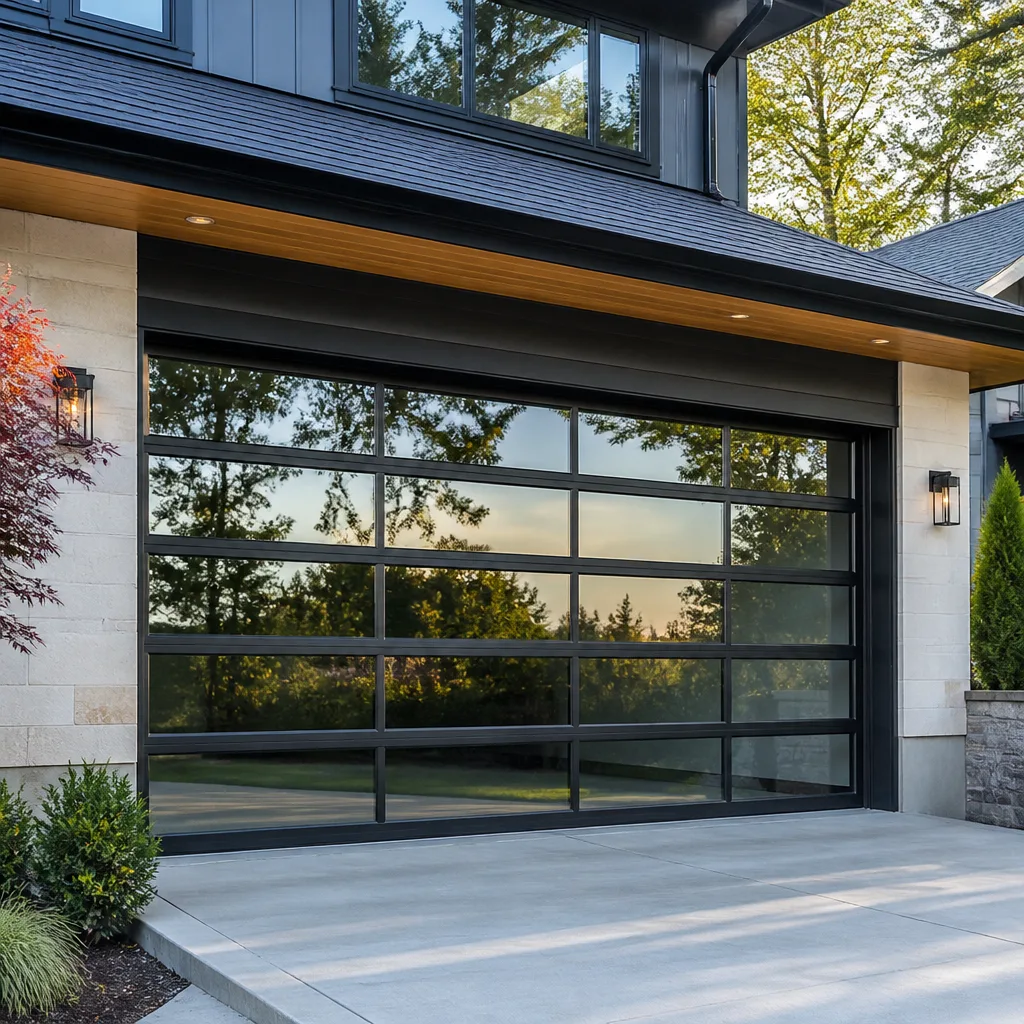 Full-view glass
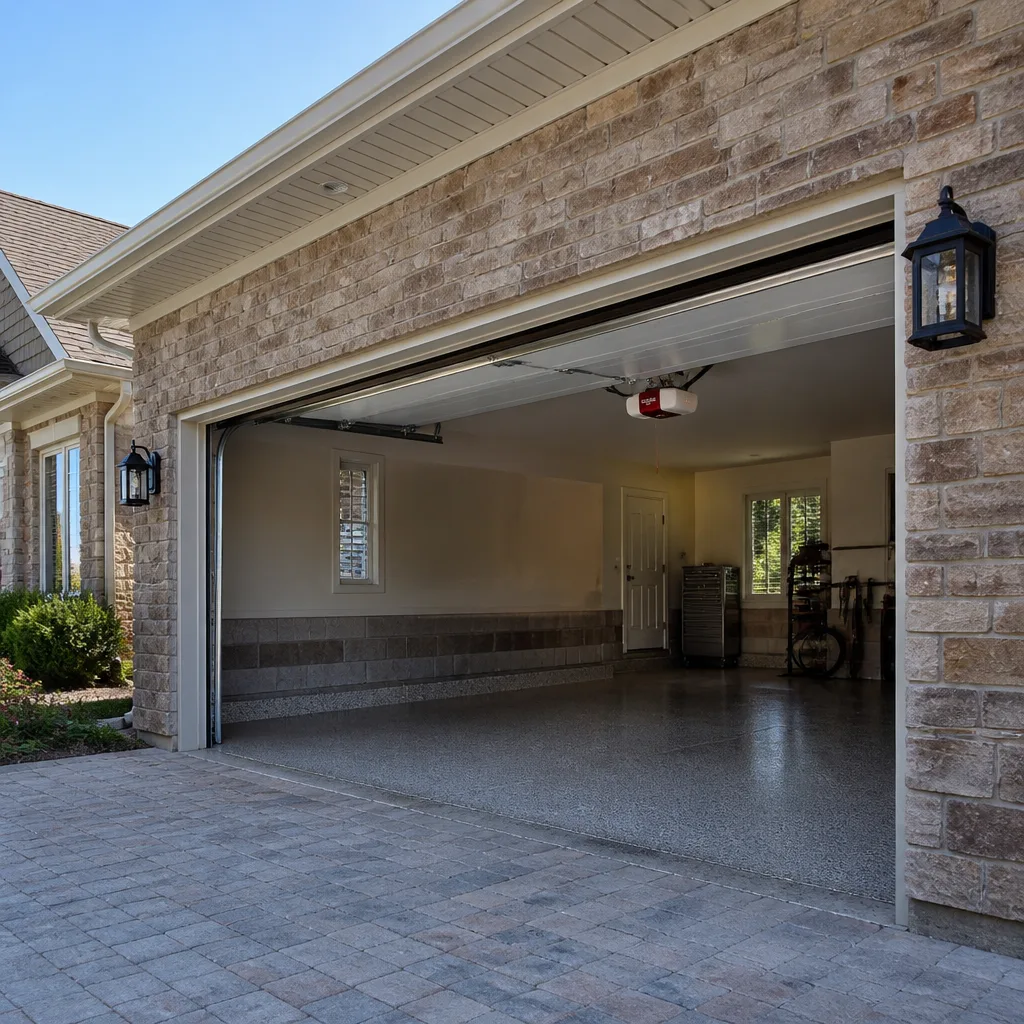 LiftMaster openers
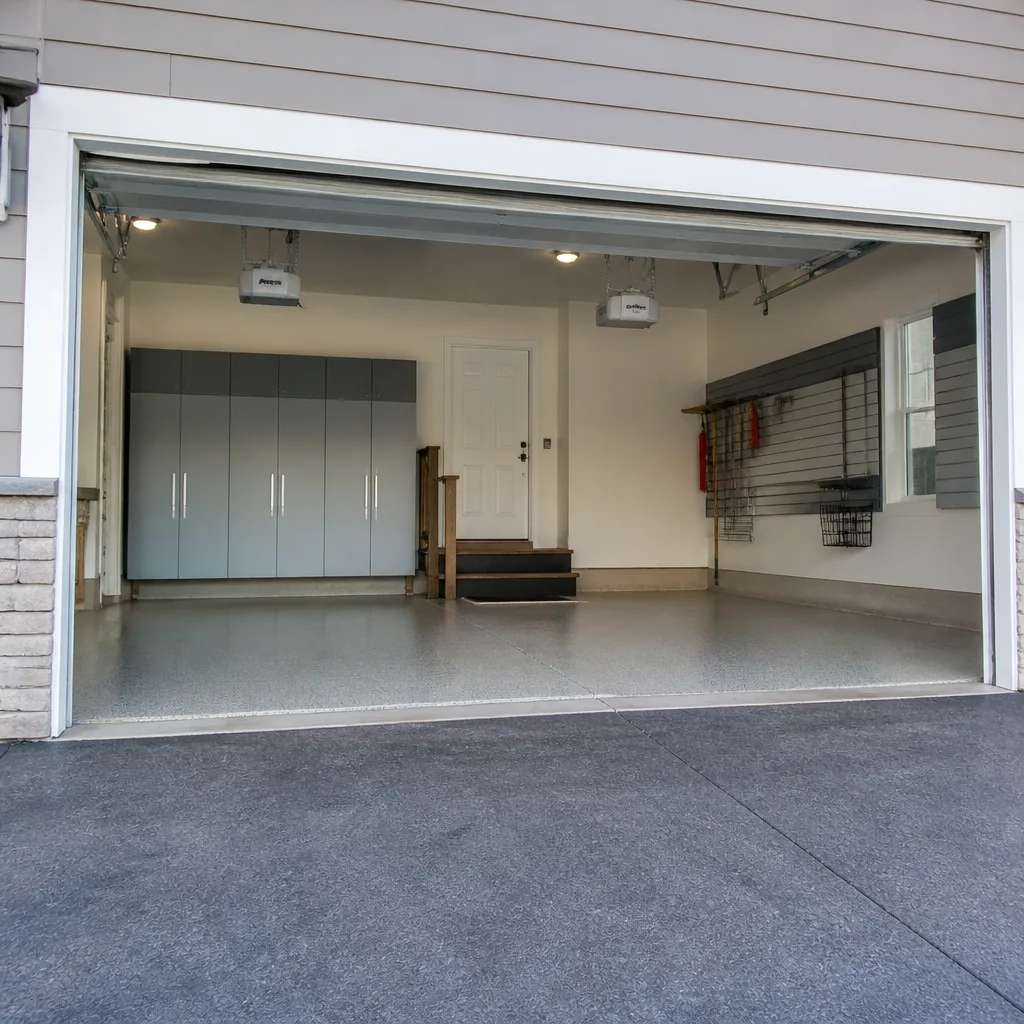 Chamberlain openers
Full 25-point door and opener safety check with every visit - springs, cables, rollers, tracks, and your LiftMaster or Chamberlain opener included
You get a price before we start. It does not change when the pro arrives.
Get your free estimateChoosing the Right Garage Door Brand: A Buyer’s Guide for Allentown
Most homeowners start shopping for a garage door by asking which brand is best. That question quietly assumes there’s one right answer, and there isn’t. The brand that performs beautifully on a newer two-car home with a detached garage can be the wrong pick for a rowhouse where the garage shares a heated wall with the living room. The same door that shrugs off a mild winter may be the one you regret when February settles over the Lehigh Valley. What actually matters is how a brand’s insulation, weather sealing, parts network, and warranty line up with your specific garage. This guide walks through those four specs, compares the big names, and helps you see past the marketing so you can choose for your own situation in Allentown.
Quick Answer
The best garage door brand for Allentown depends on three things: whether your garage is attached or detached, how well your garage needs to hold heat, and how easy the brand’s parts and service are to get in the Lehigh Valley. For attached garages that share a wall with living space, prioritize insulation and a strong weather seal. For detached garages, durability and local parts availability matter more than R-value. There’s no single winner – there’s a best fit for your home.
Styles & brands we work with
- Raised-panel steel
- Carriage house
- Modern flush
- Full-view glass
- LiftMaster openers
- Chamberlain openers
Table of Contents
- Why Brand Choice Matters More in Allentown Than You Think
- Insulation: The Spec That Separates Brands in Allentown Winters
- Parts and Service Availability in the Lehigh Valley
- Matching Door Style to Allentown’s Housing Stock
- What Warranty Language Actually Covers (And What Gets Denied)
- Brand by Brand: A Practical Comparison
- Why Your Neighbor’s Brand May Be Wrong for Your Garage
- How to Evaluate a Brand in 7 Steps
Why Brand Choice Matters More in Allentown Than You Think
A garage door is a system, not a slab of metal. The panels, the tracks, the torsion hardware, the opener, and the weather seal all have to work together, and the brand you choose determines how easily those parts can be replaced years down the line. Choose a brand with a strong local dealer and parts network and a broken hinge or roller becomes a quick fix. Choose one with no distributor nearby and the same repair can turn into a weeks-long wait while a special-order part travels in.
Allentown adds a wrinkle that warm-weather buyers never think about. Our winters are cold and long enough that an uninsulated door on an attached garage turns the space above it into a cold zone, and a poorly sealed door lets cold air push against the shared wall all season. That’s a comfort issue, and it’s also a reason to look closely at insulation ratings and seal quality before you fall in love with a style.
There’s a third factor too. Allentown has an unusually wide mix of housing. Historic rowhouses downtown, colonials and cape cods on the older tree-lined blocks, and craftsman and newer construction out toward the edges all call for different door proportions. A door that looks right on a broad colonial front may look squat and out of place on a narrow rowhouse opening. Brand matters because the good brands offer the widths, panel styles, and window configurations to fit each of those openings – and because a brand with a limited catalog forces you to compromise on proportion.
If you’re weighing a repair against a replacement, it helps to know what a new door involves before you shop brands. Our garage door installation overview covers the measuring, ordering, and scheduling side of the process.
Insulation: The Spec That Separates Brands in Allentown Winters
Insulation is where brand differences show up most clearly, and it’s the spec most Allentown homeowners should look at first. Doors are rated by R-value, which measures resistance to heat flow. A higher R-value means the door resists heat loss better. For an attached garage, that number matters because the garage shares a wall with rooms you heat. For a detached garage, it matters less unless you use the space for anything beyond parking.
Broadly, the market breaks down into three tiers:
- Non-insulated steel: Single-layer steel panels. The lowest cost and the lightest weight. Fine for a detached, unheated garage where the door is really just a barrier.
- Insulated single-layer with a bonded back: Steel on the front, insulation bonded behind. A meaningful step up in stiffness and warmth without the weight of a full sandwich panel.
- Full sandwich panels: Insulation sandwiched between two steel skins, often with thermal breaks. The strongest, quietest, and warmest option, and the one worth considering for any attached garage in Allentown.
Here’s the part most brand comparisons skip: the R-value printed on the brochure is measured on the panel, not on your assembled opening. The gaps around the door, the condition of your bottom seal, and how well the door sits against the frame all decide whether that insulation actually does anything. A high-R door hung in a drafty opening underperforms a mid-R door that seals tightly. So brand insulation ratings are a starting point, not the finish line.
In our experience, the practical split for Allentown runs like this: if your garage is attached and you feel cold air in the room above it in January, buy the highest insulation you can justify. If it’s detached and unheated, spend the difference on a better opener or better hardware instead. Clopay, Amarr, and CHI all build doors across multiple insulation tiers, which is one reason all three come up so often in Lehigh Valley homes.
Parts and Service Availability in the Lehigh Valley
Here’s a spec no brochure puts on the front page: how easy is it to get parts for this brand when something breaks? A brand with a strong regional distributor means your technician can often source a broken hinge, roller, or panel without a long wait. A brand with a thin presence in the area can mean special orders, longer lead times, and higher prices for the same repair.
This is where brand choice stops being abstract and starts showing up on your invoice. When a torsion spring snaps or a roller wears flat, the repair is only as fast as the part. A brand that’s common in the Lehigh Valley gives your technician options. A brand that almost nobody installs here gives them none.
How to check before you buy:
- Ask the company installing your door which brands they handle and which they don’t. If they can’t service what they sell, that’s a red flag.
- Ask how quickly they can get replacement panels for that specific model if one gets damaged.
- Confirm that the opener brand pairs cleanly with the door brand – some combinations are smoother than others.
- Look at what’s already installed on homes around you. A brand with a visible local footprint tends to have the parts pipeline behind it.
Raynor is a good example of a brand with loyal regional followings, and Craftsman openers are everywhere in older Allentown homes because they were sold through a national retailer for years. A brand you can’t get parts for fast is a brand that costs you time and money exactly when you can least afford either. That’s a real factor in choosing a garage door repair path versus a replacement path.
Matching Door Style to Allentown’s Housing Stock
Proportion is the quiet variable. A door is a large rectangle on the front of your house, and the panel layout inside it either suits the architecture or fights it. Allentown’s housing stock makes this especially visible, because you can walk from a historic rowhouse block to a mid-century cape cod to a newer craftsman build and see three completely different sets of proportions in one afternoon.
Historic rowhouses
Narrow openings, often on the interior of the block. A raised-panel design with clean vertical lines and a modest window row tends to read best. Avoid over-decorated carriage-house looks on a tight rowhouse opening – they can crowd it. Simplicity fits these homes.
Colonials
Wide, symmetrical fronts. This is where a classic raised-panel steel door in a traditional panel count looks right. The door should feel like it belongs to the house’s balance. Window rows across the top can look elegant here if the proportions are right.
Cape cods
Lower, wider, and often with a shallower roofline. A door with a shorter panel stack and a flatter visual rhythm tends to suit them better than a tall, busy design. Proportion matters more than the panel count itself.
Craftsman and newer construction
These homes often want a stronger horizontal line, more depth in the panel relief, and hardware that echoes the trim. Carriage-style short panels work here where they’d look out of place on a rowhouse.
The point is that a good brand catalog lets you match style to architecture rather than forcing one look onto every home. Amarr and Clopay both run deep catalogs across these styles, which is a big reason they show up on so many Allentown homes. When a brand’s lineup is shallow, you end up compromising on the one thing everyone sees first.
What Warranty Language Actually Covers (And What Gets Denied)
Warranty language is where homeowners get surprised. It’s easy to read “limited lifetime warranty” and assume the whole door is covered forever. In practice, a door warranty is usually split into separate pieces, and each piece has its own terms. Understanding the split before you buy is the difference between a warranty that protects you and one that just sounds like it does.
Most warranties break down along these lines:
- Material warranty: Covers defects in the panels themselves – things like cracks or delamination that come from the manufacturing, not from a hit or a bad install.
- Finish warranty: Covers paint and surface finish. This is the one most often limited or denied when the door has been exposed to harsh conditions or installed near anything that damages the finish. Read this section closely.
- Hardware warranty: Covers hinges, rollers, and sometimes springs. Springs are often excluded or limited because they wear on a predictable schedule and are a wear item, not a defect.
- Labor: Frequently not covered at all. The parts may be free under warranty while the labor to swap them isn’t.
Two things get denied most often. The first is finish claims where the door was scratched, dented, or scraped during a move or a fender bender – that’s damage, not a defect. The second is anything traced to a poor install or a missing maintenance check. In our experience, a warranty is only as strong as the installation behind it, which is why the brand and the installer should be evaluated together, not separately.
When you read a warranty, ask three questions: what’s covered, for how long, and what voids it. Then ask who pays labor. If a brand can’t answer all four clearly, that’s a signal.
Brand by Brand: A Practical Comparison
There’s no single best brand, but there are clear strengths and trade-offs. Here’s how the majors line up on the specs that matter for Allentown homes. We work on and install doors from a range of brands, so this comparison comes from what we actually see in the field rather than from a sales sheet.
Clopay
A deep catalog that covers the insulation tiers from basic steel up through full sandwich panels. Strong on style range, with options that suit everything from a tight rowhouse opening to a broad colonial front. Parts and service are generally easy to source in the Lehigh Valley. A solid default for attached garages where insulation matters.
Amarr
Builds across the insulation and style range and has a strong warranty structure on several lines. Good options for cape cod and craftsman fronts where proportion matters. Parts availability in the region is generally good.
Wayne Dalton
Common on Lehigh Valley homes and a brand we see regularly on existing installs. A wide model range and a good fit for many Allentown situations. Parts are accessible. Worth a close look if you’re replacing an existing Wayne Dalton door and want to keep the opening’s proportions consistent.
CHI
Known for strong insulated options and a solid catalog. Worth comparing carefully on R-value and seal quality if you have an attached garage and want the warmth. Parts availability varies by model, so ask your installer about the specific line you’re considering.
Raynor
A brand with a loyal following and good build quality. Parts availability depends on the local network, so confirm what your service company can source before you commit. Where it’s well-supported, it’s a strong choice.
One note that applies to all of them: the door brand and the opener brand don’t have to match, but they should be compatible. If you’re replacing the door, it’s worth deciding whether the opener stays or goes at the same time. Our garage door opener repair page explains what compatibility means in practice.
Why Your Neighbor’s Brand May Be Wrong for Your Garage
A recommendation from a neighbor is a fine starting point, but it’s not a spec sheet. Your neighbor’s garage may face south while yours faces north; theirs may be attached while yours is detached; theirs may get opened twice a day while yours gets used as a workshop every weekend. The same door that performs well for them can underperform for you on any one of those axes.
Here’s how to think about your own situation before you shop:
- Attached or detached? Attached garages benefit from more insulation and a better seal because they share a wall with heated rooms. Detached garages can prioritize durability and cost.
- Which direction does the door face? A north-facing door takes more cold and less sun; a south-facing door takes more heat and UV. Finish durability matters more on the sunny side; seal quality matters more on the cold side.
- How often is the door used? A door that opens four times a day wears differently than one that opens four times a week. High-cycle use puts more strain on springs and hardware, which is a reason to value a brand with strong hardware and easy parts access.
- Is the garage climate-controlled or used as living space? If you heat it, or use the space above it, insulation is a priority. If it’s just parking, it isn’t.
- What’s above the garage? A room over the garage is the single biggest reason to favor insulation, because that’s the space that suffers most when the door is thin.
- What does the house’s architecture call for? Proportion, panel style, and window configuration should all pull from the home’s existing lines, not fight them.
The honest answer is that your neighbor’s brand might be perfect for you. But you won’t know until you’ve run your own garage through those six questions.
How to Evaluate a Brand in 7 Steps
If you want a repeatable process, here it is. Work through these before you commit to a brand, and you’ll avoid most of the regrets homeowners bring to us after a bad install.
- Measure your opening and check your clearance. Confirm the width, the height, and the headroom above the door. Some brands and models need more headroom than others.
- Decide on your insulation target. Attached garage with living space above it? Go higher on R-value. Detached and unheated? You can spend less here.
- Confirm the style fits your architecture. Match panel style, window configuration, and proportion to your home’s lines, not to a photo you liked online.
- Ask about local parts availability. Don’t just ask if the brand “exists” here. Ask how fast a replacement panel or hinge can be sourced for the specific model.
- Read the warranty in sections. Material, finish, hardware, and labor are separate. Understand what’s covered, for how long, and what voids it.
- Check opener compatibility. Make sure the opener brand works cleanly with the door, or plan to replace both at once.
- Get a written estimate before work begins. Every reputable installer will quote before starting. No exceptions.
One safety note that applies at every step: never adjust or remove torsion springs, cables, or the bottom bracket yourself. Those parts store enormous energy and can cause serious injury when they release. Springs are dangerous – leave them to a specialist. If you’re wondering how much a spring repair runs in Allentown, our Allentown Garage Door Repair Pros overview is a good place to start. In our experience, one spring typically runs $180 to $340, and a matched pair runs roughly twice that because both springs wear together.
Common Mistakes to Avoid
- Buying on brand name alone. A respected brand’s basic model can underperform a less-famous brand’s insulated line. Look at the specific model’s specs, not the logo.
- Skipping the insulation spec on an attached garage. Cold air over a heated room is a long winter of discomfort. If your garage shares a wall with living space in Allentown, insulation is not optional.
- Ignoring local parts availability. A brand with no local distributor means longer waits and higher prices when something breaks. Confirm the pipeline before you buy.
- Matching the neighbor’s door without running the six questions. Orientation, usage, and insulation needs differ house to house. What’s right next door may not be right for you.
- Reading the warranty’s front page only. Finish, material, and hardware warranties are not the same thing. Read the exclusions before you sign.
- Choosing proportion by photo. A door that looks right on a broad colonial front can look squat on a narrow rowhouse opening. Match the panel rhythm to the home’s architecture.
- Letting the price pressure you off the seal. A cheap installation with a poor seal undermines even a high-R door. The opening and the seal decide how the door actually performs in Allentown winters.
See the difference
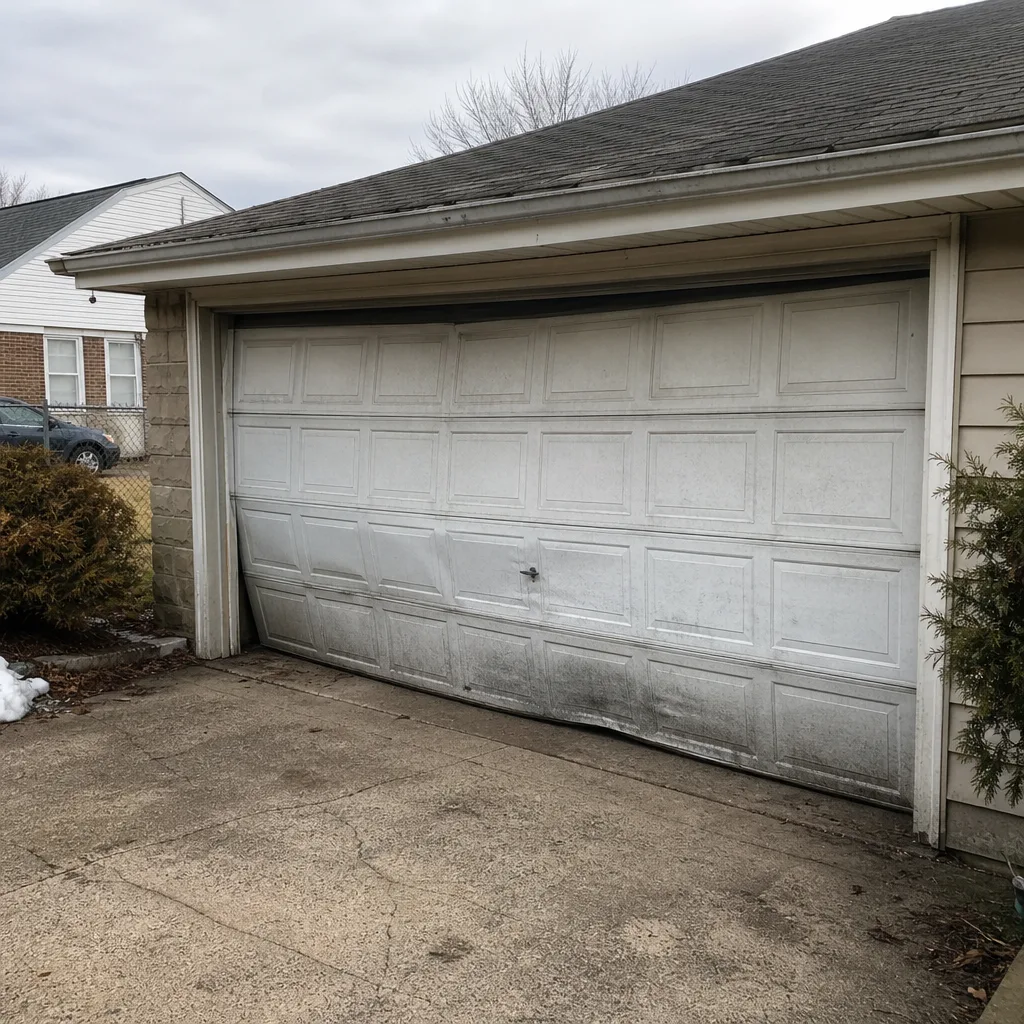 Before
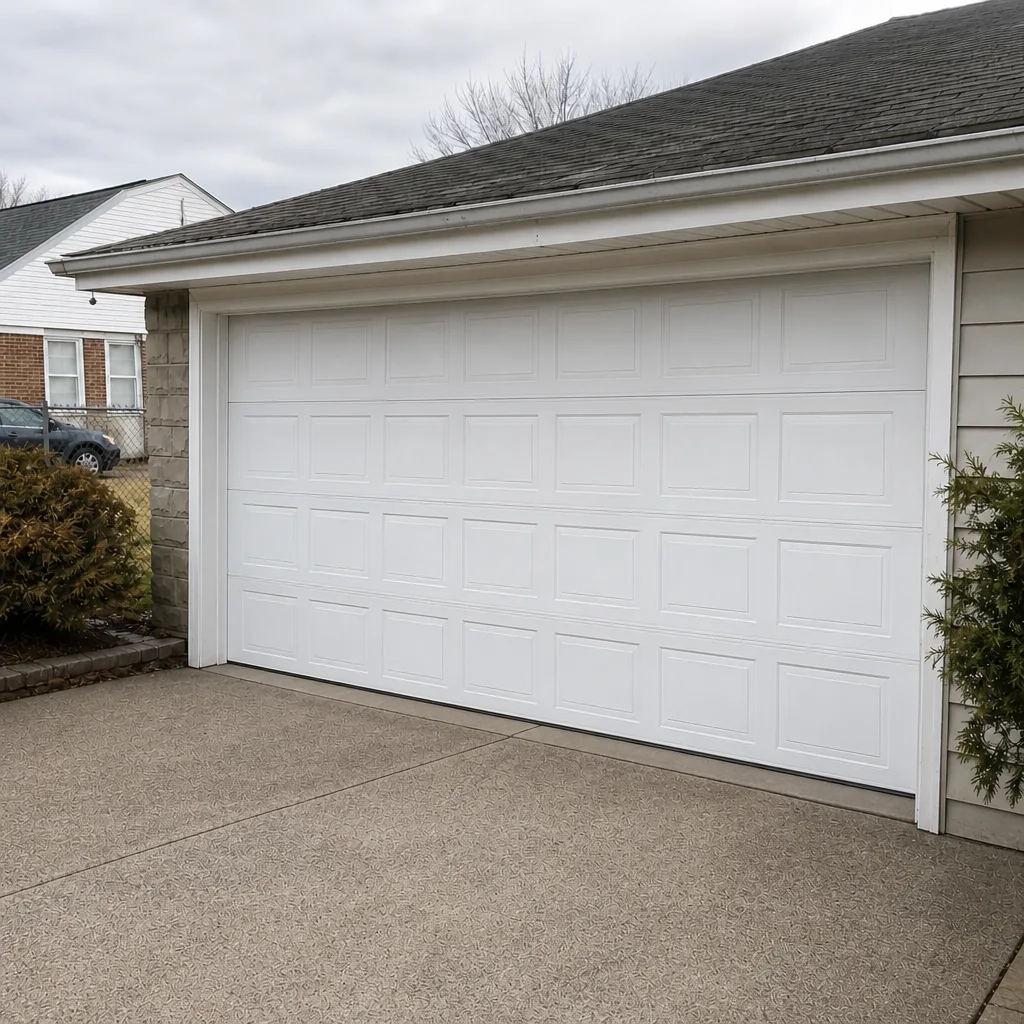 After
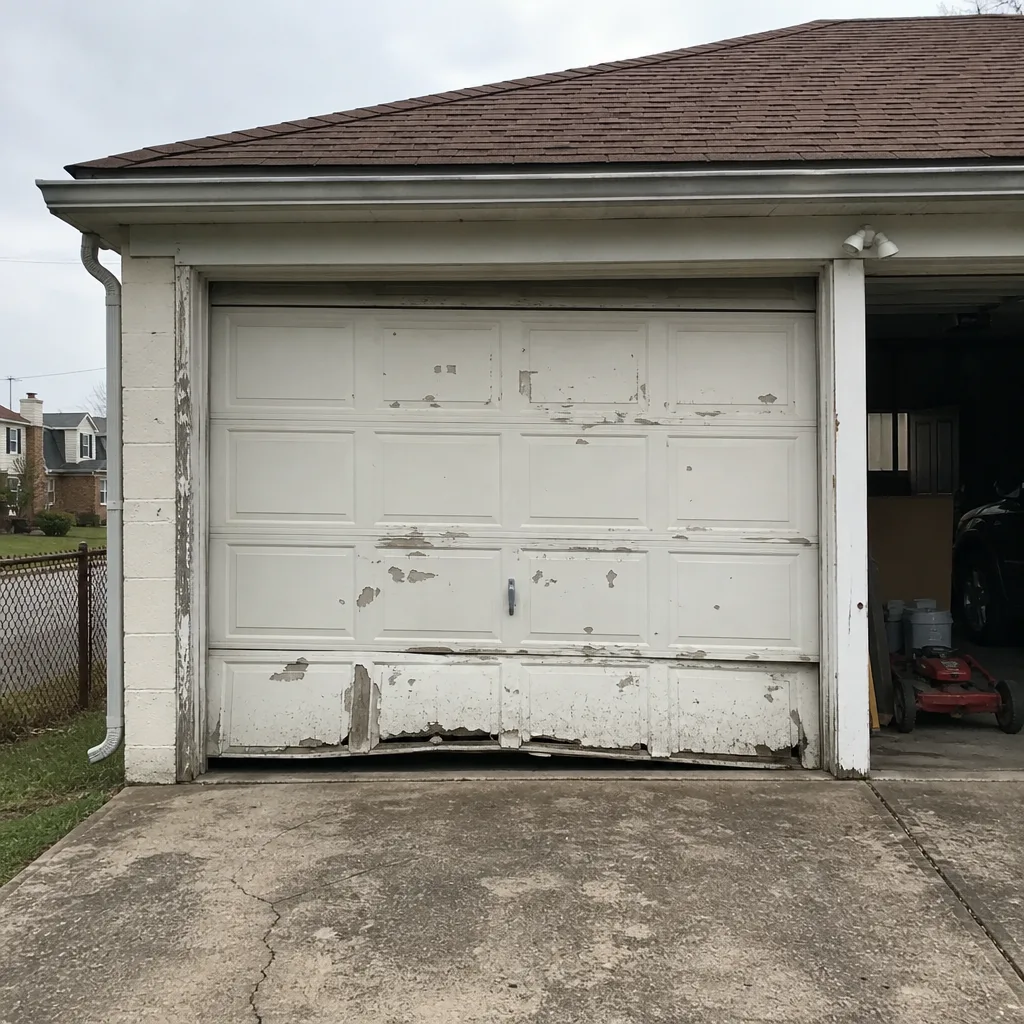 Before
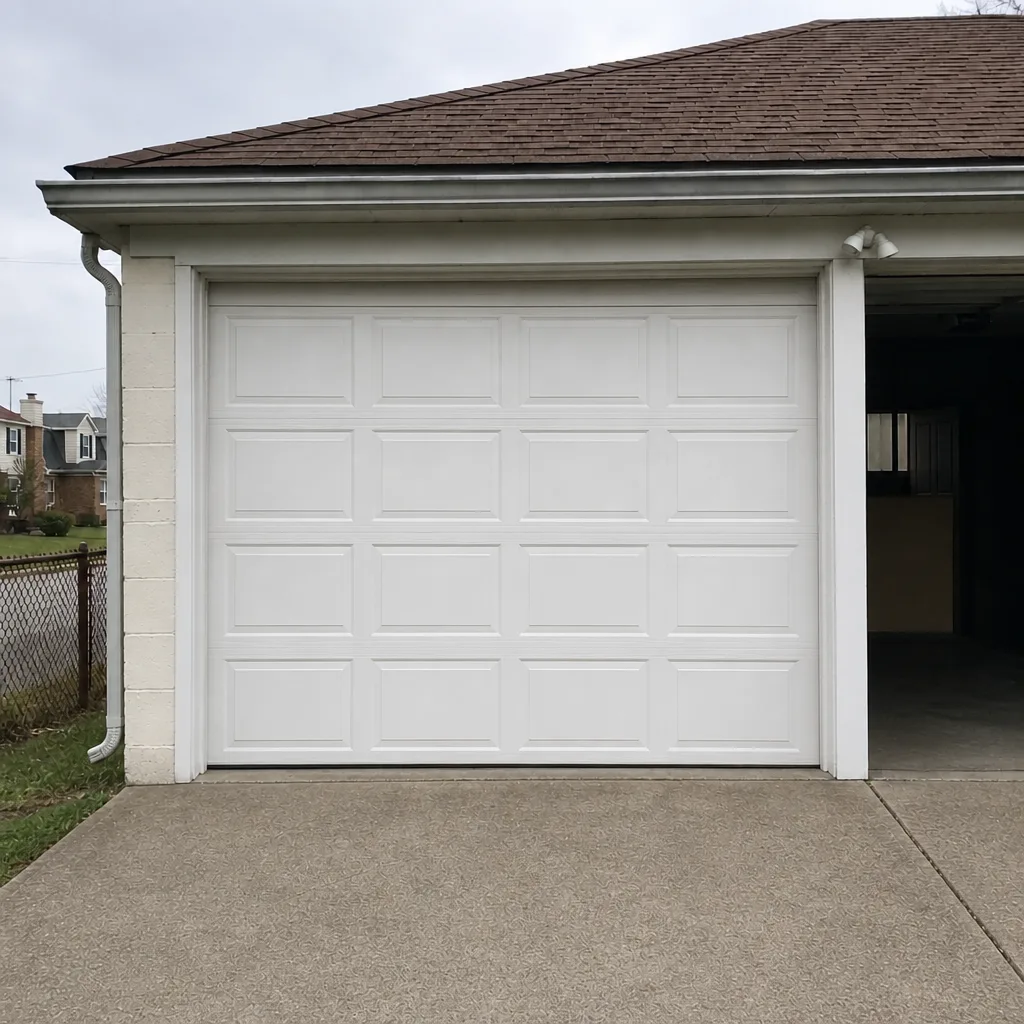 After
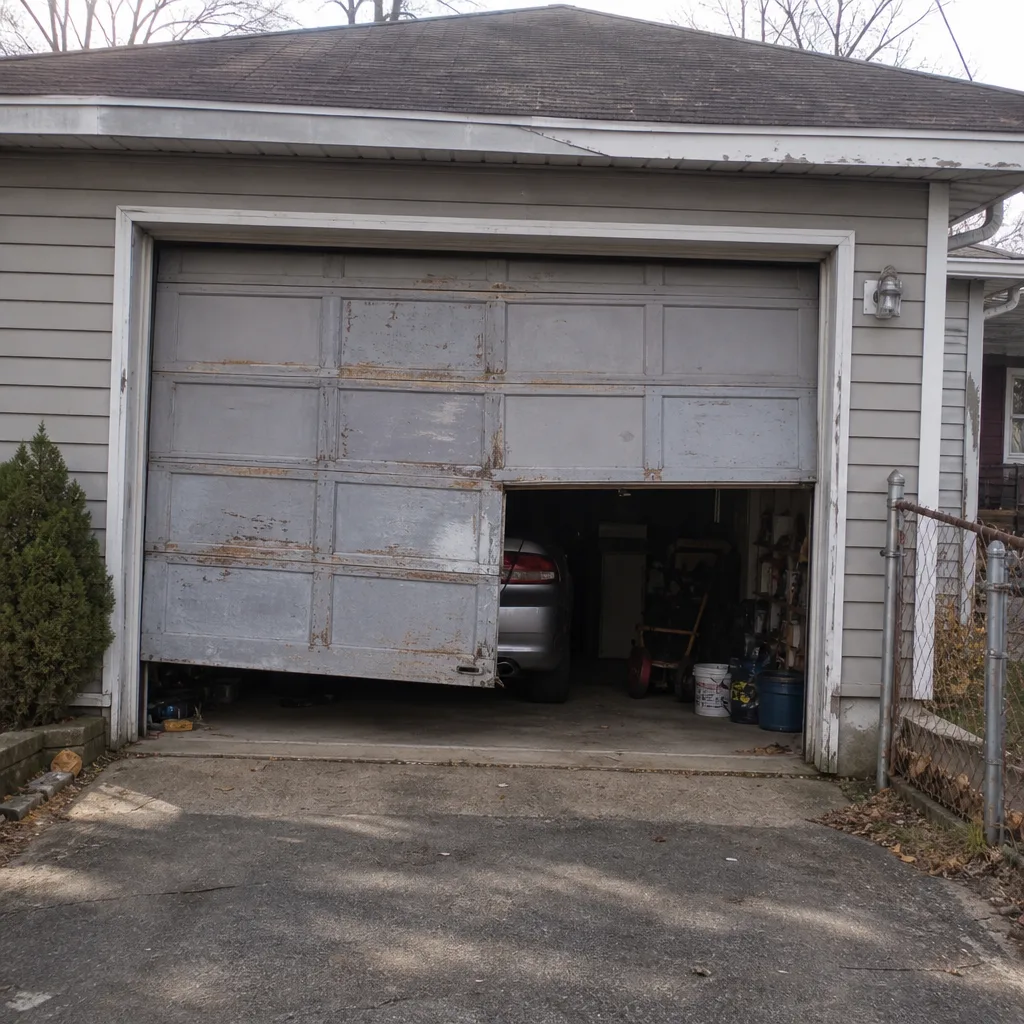 Before
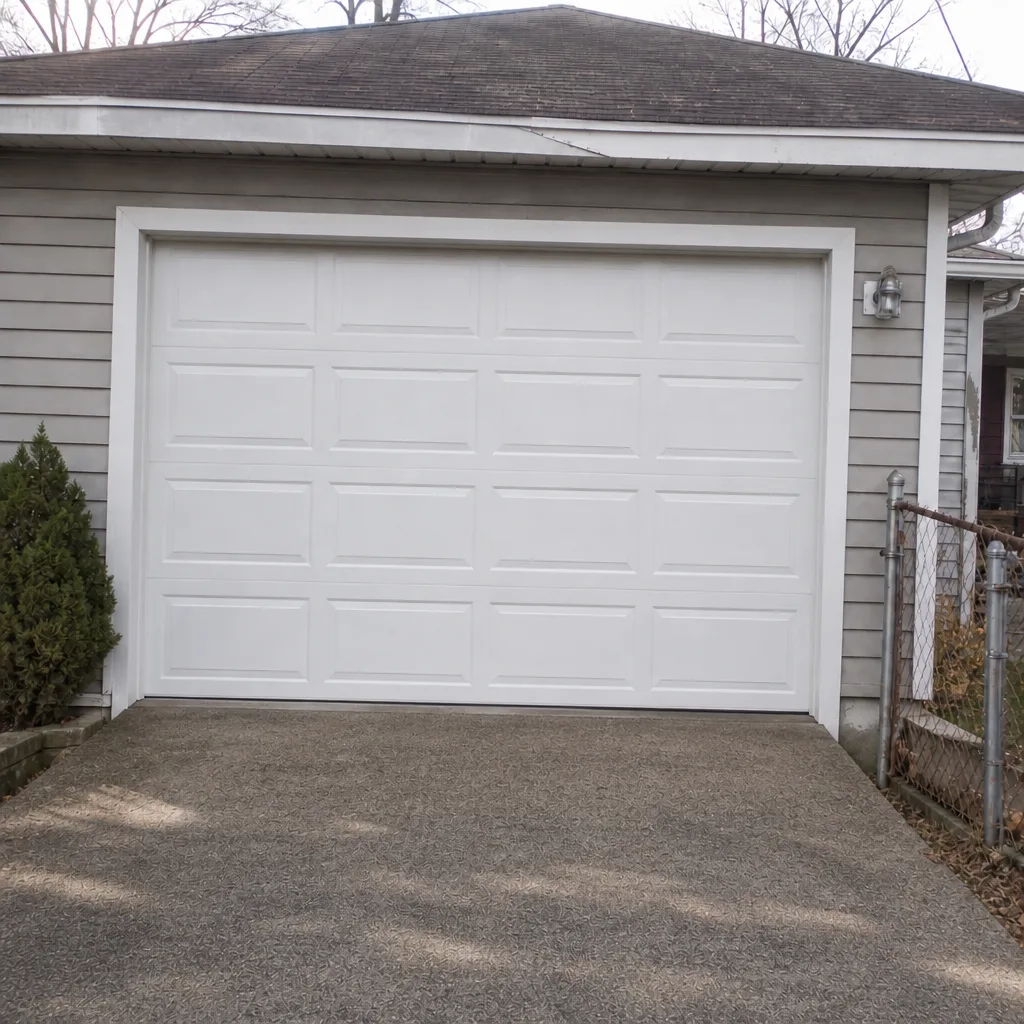 After
When to Call a Professional
Brand choice is a decision you can research on your own. Brand installation isn’t. If your door is off its tracks, if a spring has snapped, if the door is uneven or binding, or if you’re weighing a replacement and want an accurate measurement and price, it’s time to call a specialist. The dangerous parts of a garage door – springs, cables, the bottom bracket, and the torsion assembly – should never be touched without training and the right tools. A trained technician can tell you within minutes whether your existing door is repairable or due for replacement, and can match a new door to your specific opening and insulation needs.
Allentown Garage Door Repair Pros offers free estimates in Allentown – call (866) 594-2373.
Frequently Asked Questions
There’s no single best brand for Allentown – the right pick depends on your garage. For an attached garage that shares a wall with living space, favor a brand with strong insulation and a tight seal. For a detached, unheated garage, prioritize durability and easy local parts access. Clopay, Amarr, Wayne Dalton, and CHI all offer solid options across those needs, and the specific model’s specs matter more than the logo. Call (866) 594-2373 for an exact quote – estimates are free.
We work on doors and openers from LiftMaster, Chamberlain, Genie, Clopay, Amarr, Wayne Dalton, Craftsman, and Raynor. If a brand isn’t on that list, ask us before assuming we can’t help – but for the eight above, no brand mismatch turns into a sorry, we can’t help you. Call (866) 594-2373 to confirm service for your specific model.
Prices vary by size, insulation, style, and hardware, so the only accurate number is the one on your written estimate. What you can do is match your budget to the right tier: spend more on insulation for an attached garage, less for a detached one. Every estimate we give is free and quoted before any work starts. Call (866) 594-2373 for an exact quote – estimates are free.
No. The price is quoted and agreed before any work starts. If a technician finds something unexpected once work begins, they’ll stop and explain it before doing anything that changes the cost. You’ll never get an invoice larger than the quote you approved. Call (866) 594-2373 for an exact quote – estimates are free.
The local professionals we connect you with are licensed and insured as their state requires, and our technicians have up to 11 years of experience. We can’t speak for the trade licensing of any other installer you might consider, but for the work we connect you with, licensing and insurance are part of the vetting. Call (866) 594-2373 with questions about the technician visiting your Allentown home.
Often yes, but not always. A new door’s weight and balance can be different enough that an older opener struggles, and some brands pair more smoothly than others. Have the opener checked during the estimate so you know before the door is ordered – it’s a lot easier to decide both at once than to replace the opener a month later. Call (866) 594-2373 to talk through your setup.
The Bottom Line
Brand loyalty is a starting point, not the answer. In Allentown, the door that fits your home comes down to four specs – insulation, weather sealing, parts availability, and warranty substance – plus how those specs line up with your garage’s orientation, usage, and architecture. Attached garage with living space above it? Buy insulation and a tight seal. Detached and unheated? Prioritize durability and easy local parts access. Match panel style to your home’s proportions, read the warranty in its separate pieces, and get a written estimate before work starts. Do those things and the brand choice becomes straightforward instead of a guess.
If you’d like help figuring out which brand fits your specific garage, give us a call. Allentown Garage Door Repair Pros specializes only in garage doors – repair, springs, openers, and full installation – and we can measure your opening, check your insulation needs, and quote a written price before anything is ordered or begun. From busted to brand-new, we can handle the whole arc so you don’t need a second company as your needs change. Call (866) 594-2373 for a free estimate.
Written by the team at Allentown Garage Door Repair Pros.