Last updated November 21, 2026
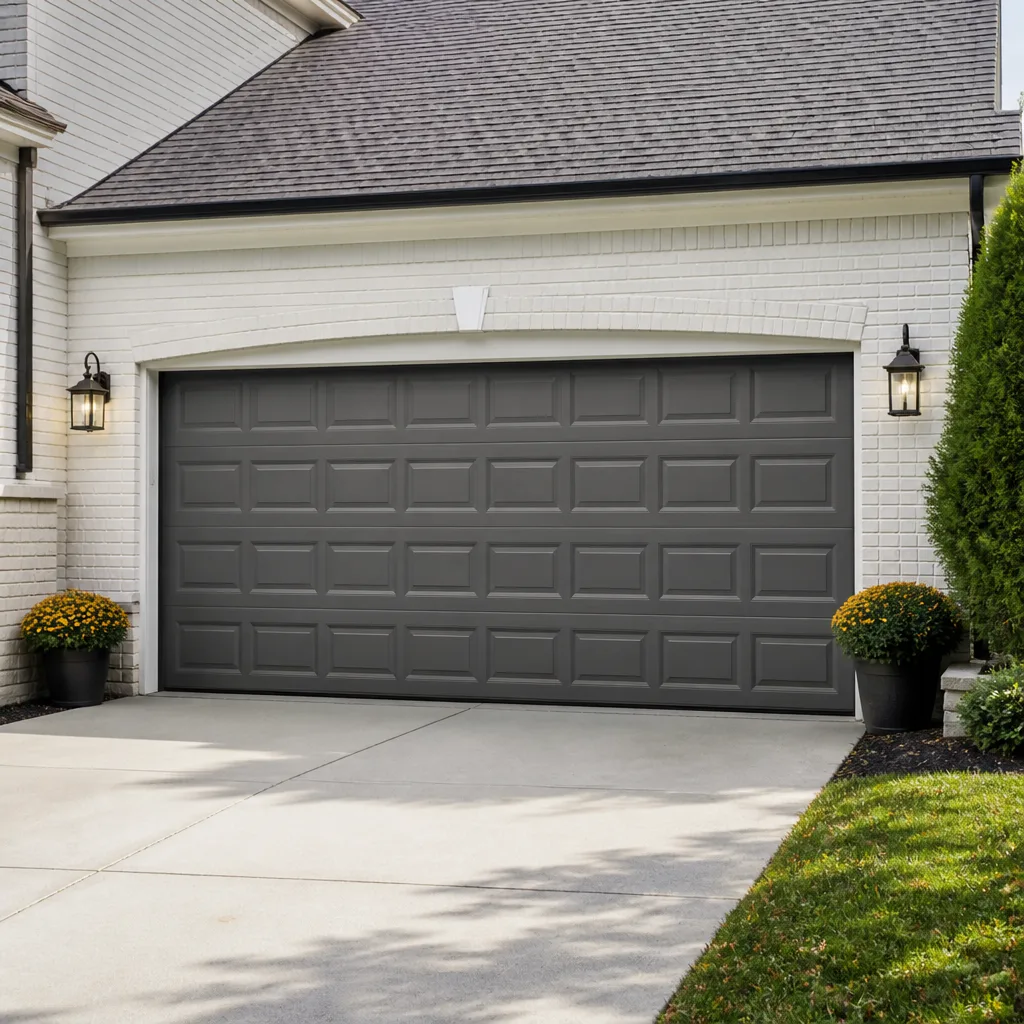 Raised-panel steel
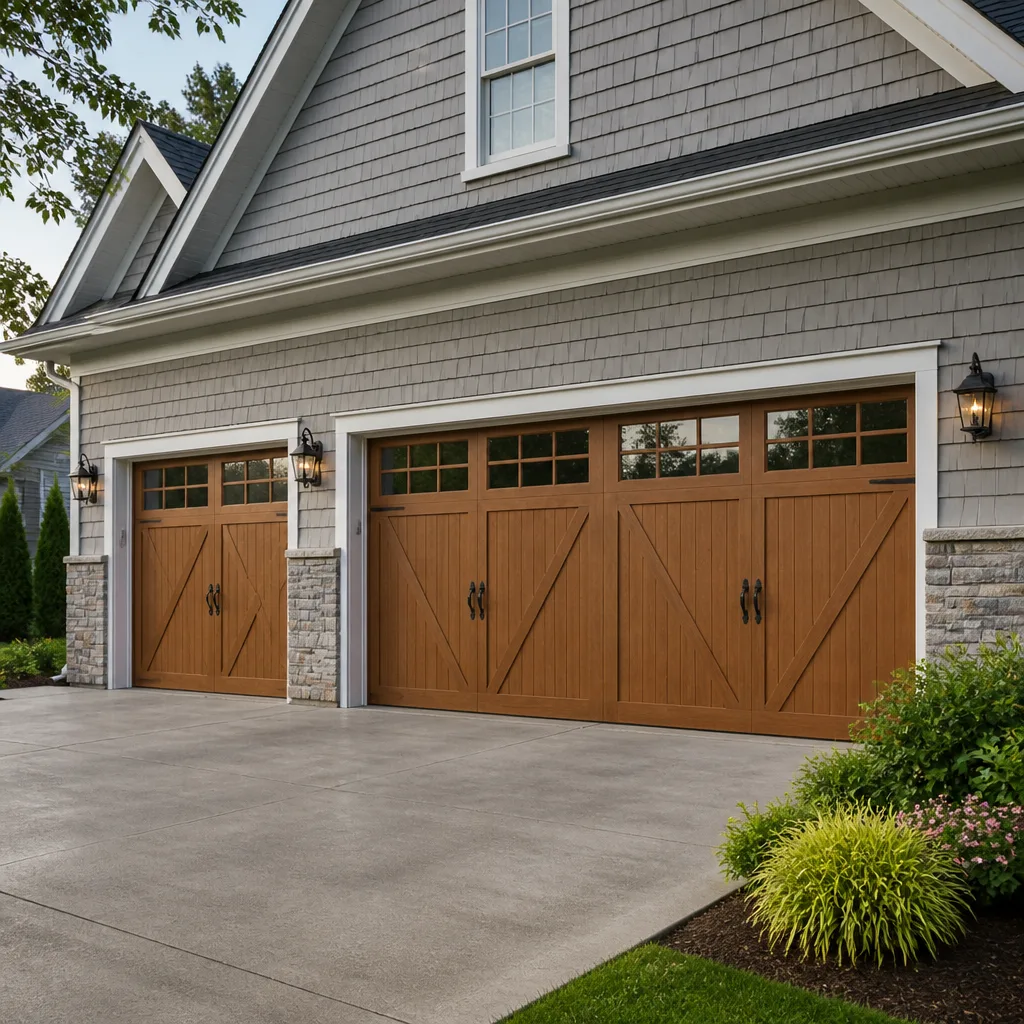 Carriage house
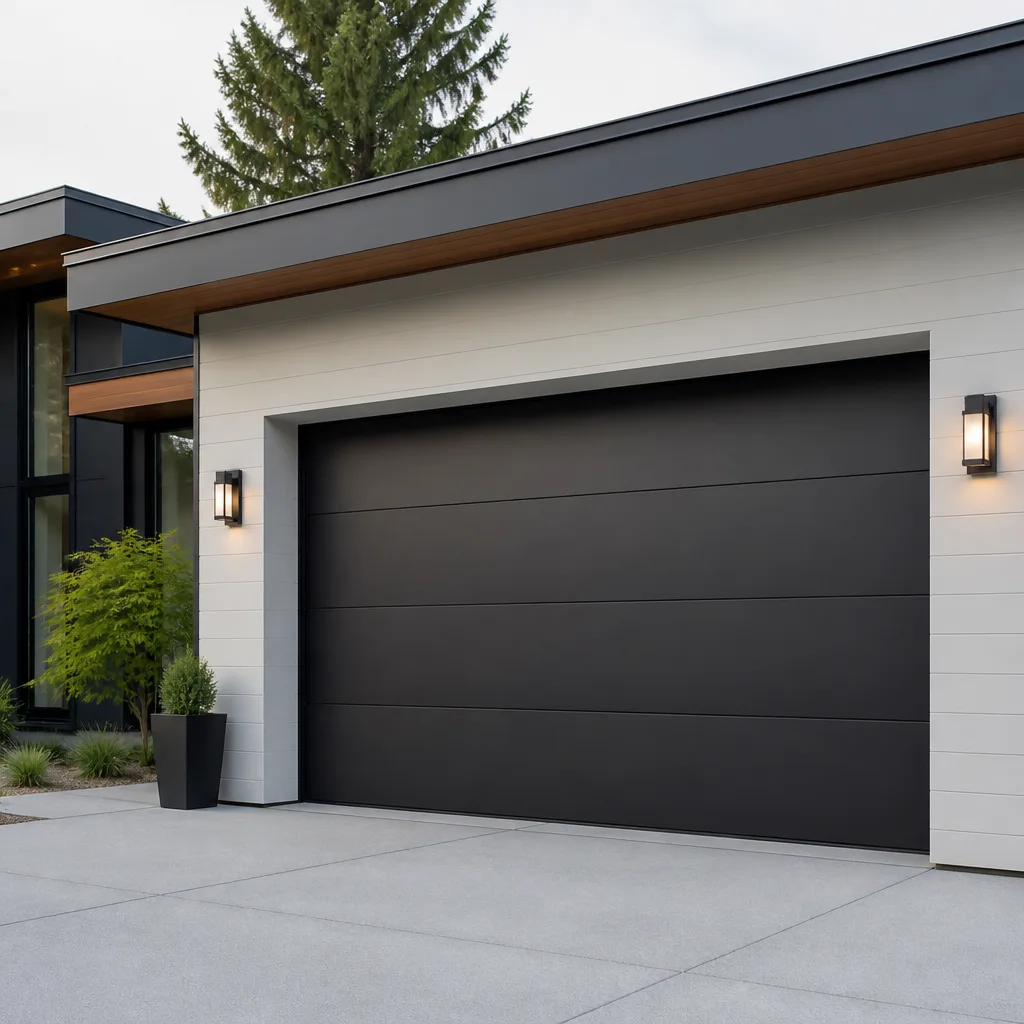 Modern flush
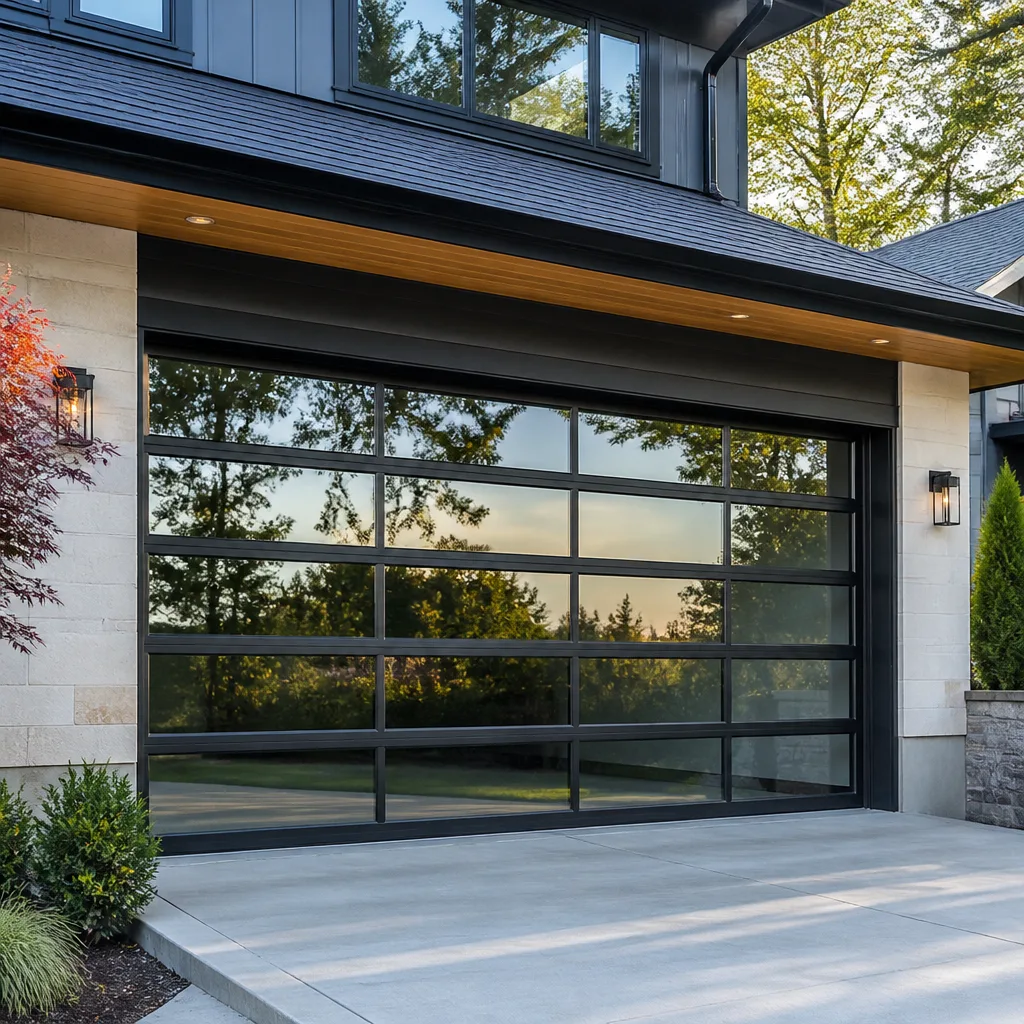 Full-view glass
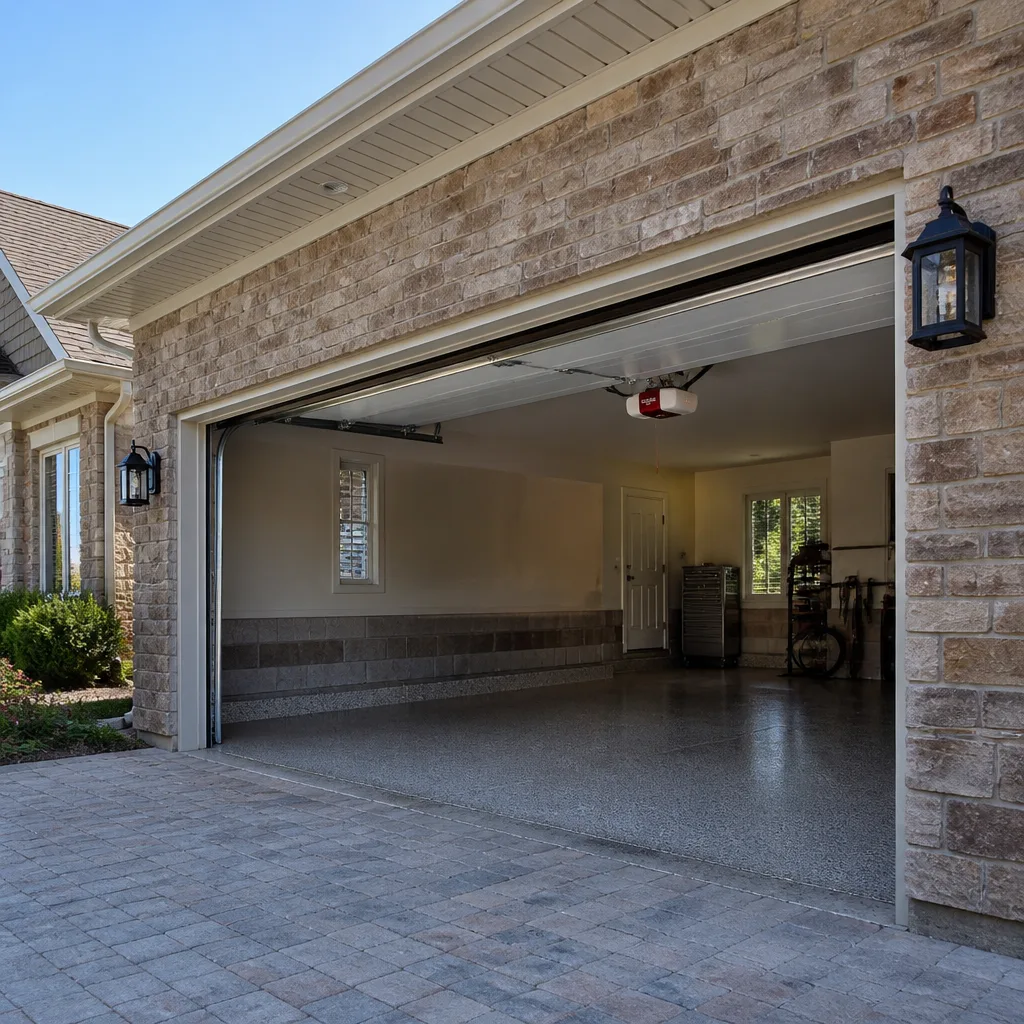 LiftMaster openers
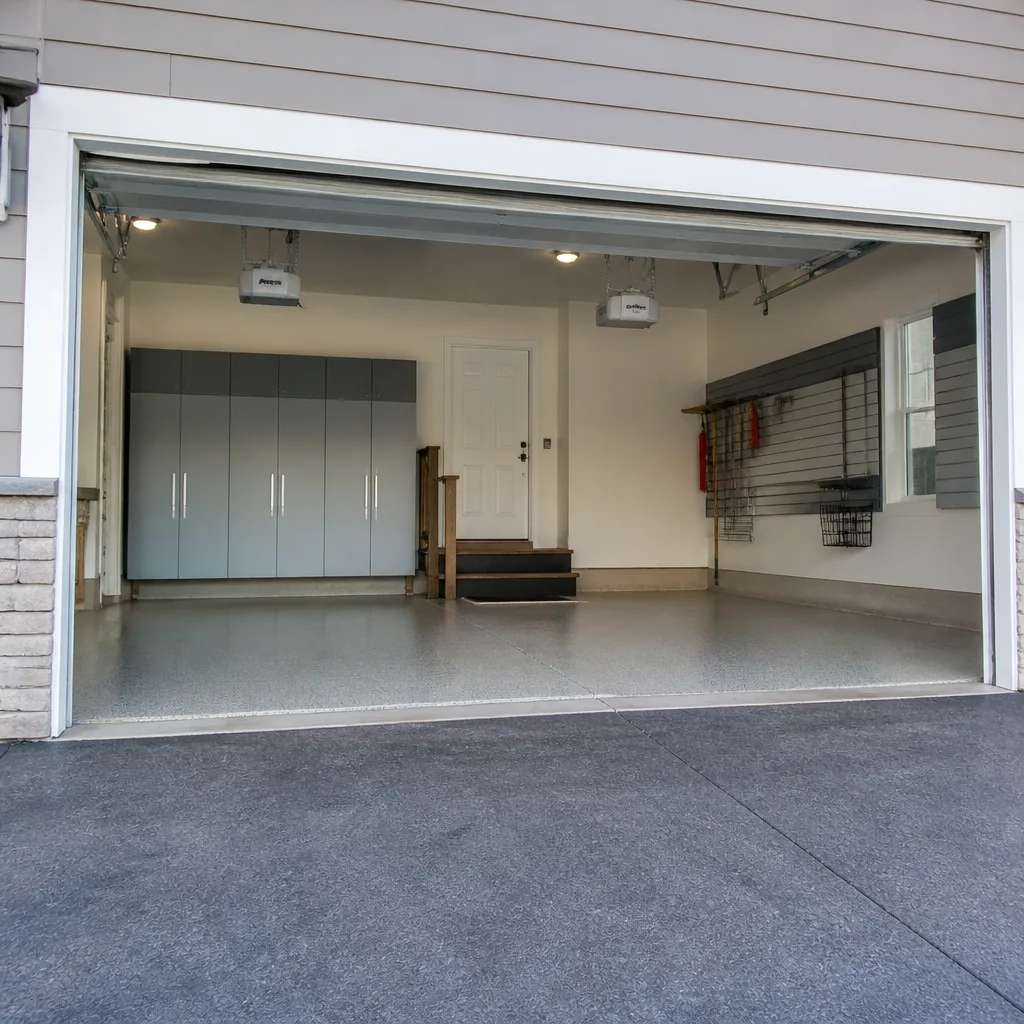 Chamberlain openers
Full 25-point door and opener safety check with every visit - springs, cables, rollers, tracks, and your LiftMaster or Chamberlain opener included
You get a price before we start. It does not change when the pro arrives.
Get your free estimateThe Complete Guide to Garage Doors in Allentown
Most homeowners only think about their garage door when it stops moving. That single focus costs them money. A garage door is a mechanical system with moving parts that wear on a schedule, and in Allentown that schedule is set by freeze-thaw winters, humid summers, and daily use. The average door cycles more than 1,500 times a year, which is more work than your front door sees in a decade. Springs, cables, rollers, and openers each have a predictable service life, and if you know roughly when each part will give out, you can plan and budget instead of panicking. This guide explains how the components work, how Lehigh Valley weather affects them, and the decision points that separate a small repair from a full replacement.
Quick Answer
A residential garage door is a system of springs, cables, rollers, tracks, and an opener, and each part has a known lifespan. In Allentown, freeze-thaw cycles wear springs and bottom seals faster than in milder climates, so budget for spring replacement every several years, cable and roller service around every few years, and an opener every 10 to 15 years. Most repairs are same-day jobs; replacements take measurement, ordering, and scheduling. The written estimate you approve before any work starts is the price you pay.
Styles & brands we work with
- Raised-panel steel
- Carriage house
- Modern flush
- Full-view glass
- LiftMaster openers
- Chamberlain openers
Table of Contents
- How a Garage Door System Actually Works
- How Allentown Climate Stresses Your Door
- How Long Each Component Lasts
- Which Door Material Holds Up Best in the Lehigh Valley
- Reading Your Door’s Behavior as an Early Warning
- What “Full-Service” Really Means and Why Brand Coverage Matters
- Repair or Replace: The Decision Points
- What Garage Door Work Typically Costs in Allentown
How a Garage Door System Actually Works
A garage door is not a single machine. It’s five systems working together, and when one fails it usually puts extra load on the others. Understanding them helps you describe a problem accurately on the phone, which means the technician arrives with the right parts and you don’t pay for a second visit.
The parts break down like this:
- Torsion springs or extension springs – the counterweight. They hold most of the door’s weight so your opener only has to nudge it. A torsion spring sits on a shaft above the door; extension springs run along the sides.
- Cables – high-tension steel lines that connect the springs to the bottom corners of the door.
- Rollers and hinges – the moving joints that carry the door along the track.
- Tracks – the vertical and horizontal rails that guide the door.
- The opener – the motor, rail, and drive system (belt, chain, or screw) that raises and lowers the door.
Here’s the part most people miss: the springs do the heavy lifting. Your opener is designed to move a balanced door, not to lift a dead weight. When a spring weakens, the opener works harder, gets hot, and wears out early. That’s why a “dead opener” is often really a spring problem in disguise. We see this often around Allentown, where a tired spring quietly pushes an opener past its limit and the homeowner assumes the motor is at fault.
The other thing worth knowing is balance. A properly adjusted door should stay put when you lift it halfway by hand. If it slams down or drifts up, the spring tension is off, and the opener is fighting physics every cycle. That kind of imbalance is a diagnostic clue, not a do-it-yourself adjustment, and we’ll explain why in the safety section.
How Allentown Climate Stresses Your Door
Allentown sits in the Lehigh Valley, which means genuine four-season swings: cold winters with repeated freezing and thawing, humid summers, and plenty of temperature change across a single week. That pattern is harder on garage doors than the steady mild weather many national guides assume. The two components that feel it most are torsion springs and the bottom seal.
Freeze-thaw is the culprit. During a cold snap, the steel of a torsion spring contracts; when it warms up again, it expands. Thousands of these small cycles, on top of the daily open-and-close, fatigue the metal faster than constant temperature would. A spring that might last longer in a mild climate can snap sooner here. That’s not a scare tactic, it’s just how metal behaves when it’s asked to flex through Allentown winters year after year.
The bottom seal and weatherstripping take a beating too. Water that seeps under the door, freezes, and expands works the rubber and vinyl loose, and the seal cracks or pulls away. A failed bottom seal lets in cold air, water, and pests, and it lets your heated air escape. Replacing a bottom seal is one of the least expensive garage door repairs you can make, and doing it before winter saves energy and prevents water damage to the slab.
Humidity is the summer half of the story. The Lehigh Valley’s muggy stretches stress wood-composite and steel doors with paint and finish. Wood components swell and shrink seasonally, and steel doors that lose a coat of paint can start to show surface rust at the bottom edge where moisture collects. The takeaway for Allentown homeowners: check your door’s finish and bottom seal at the start of each season, not once a decade.
How Long Each Component Lasts
Knowing the typical lifespan of each part turns garage door maintenance from reactive to planned. These are general ranges based on normal residential use; heavy daily cycling, poor balance, or missed lubrication can shorten any of them. Use this as a budgeting guide, not a guarantee.
- Torsion springs: typically the first major wear item. Expect replacement every several years under normal use, sooner with heavy cycling.
- Extension springs: a similar service life, and they should be paired with safety cables.
- Cables: usually last several years before fraying or stretching becomes a concern.
- Rollers: steel rollers wear their bearings over a few years; nylon rollers tend to last longer and run quieter.
- Hinges: several years, with annual lubrication extending the life.
- Opener motor: commonly 10 to 15 years before the motor, gears, or circuit board start to fail.
- Bottom seal and weatherstripping: a few seasons in a freeze-thaw climate before it hardens or tears.
Two practical notes for Allentown. First, springs are often replaced as a matched pair even when only one has failed. When one spring snaps, the other has lived through the same cycles and is usually close behind, so replacing them together saves you a second service call. A pair costs roughly twice a single spring, which is why we quote per spring rather than lumping them together. Second, keep a rough count of how many times a day your door cycles. A family that comes and goes several times a day is putting far more wear on the springs than a household that opens the door once in the morning and once at night, and that difference shows up in how soon parts need attention.
Which Door Material Holds Up Best in the Lehigh Valley
There’s no single best garage door material; there’s the best one for your house, your budget, and the way the Lehigh Valley’s weather treats it. Here’s how the common options hold up, with the trade-offs that matter most in this climate.
- Steel: the most popular choice. It’s strong, low-maintenance, and takes insulation well. In Allentown’s humidity, the key is keeping the finish intact; a steel door that loses its paint at the bottom edge will rust where water sits.
- Aluminum: light and rust-resistant, good for humid summers, but it dents more easily than steel and offers less insulation unless it’s built with a thermal break.
- Wood and wood composites: beautiful and solid, but wood moves with the seasons. The freeze-thaw swing means more upkeep on paint and stain to keep moisture out.
- Vinyl and composite: low-maintenance and moisture-resistant, a reasonable fit for humid summers, though color options are narrower.
Insulation is worth thinking about in Allentown specifically. An attached garage acts as a buffer between your heated living space and the outside. An insulated door doesn’t heat the garage, but it slows heat loss and makes the space more comfortable and quieter. If your garage shares a wall with a bedroom, insulated is almost always the better call.
When you get to the point of choosing a new door, the conversation is usually about the trade-off between insulation, weight, and upkeep. A steel door with good insulation is the common middle ground; wood is for homeowners who want the look and will maintain it; aluminum suits a humid-climate garage where rust resistance matters more than dent resistance. We walk through these trade-offs before anyone measures, because the material and door weight also affect which springs and opener you’ll need.
Reading Your Door’s Behavior as an Early Warning
Your garage door tells you what’s wrong before it stops working, if you know what to listen for. The trick is to treat noise, speed, and alignment as signals rather than background. Learning to read them is the difference between a quick fix and a surprise breakdown.
Here’s what to watch for in Allentown homes, and what each signal usually means:
- A loud bang, then a door that won’t lift. This is the classic snapped-spring call. The door becomes very heavy and may only open a few inches. Stop using the opener; lifting a door with a broken spring can damage the opener and the door.
- Grinding, squealing, or scraping. Often worn rollers or dry hinges. Lubrication and roller replacement are inexpensive and prevent track wear.
- A jerky or uneven rise. Usually an unbalanced door or one spring doing more work than the other. This puts strain on the opener.
- The door drifts down a little after closing. Weak spring tension or a misaligned sensor; worth a look before it gets worse.
- The opener strains or the door moves slowly. A sign the opener is working harder than it should, frequently because of a spring issue.
- A visible gap at the bottom or daylight along one side. A worn bottom seal or a door that’s out of alignment. Both let in water and cold air.
One more: if you have to hold the wall button because the remotes have stopped working, that’s usually an opener or sensor problem, not the door itself. That’s the kind of thing that comes up on a garage door opener repair call, and it’s often quick to sort out once the right technician is looking at the right brand.
What “Full-Service” Really Means and Why Brand Coverage Matters
“Full-service” gets thrown around loosely, so here’s a concrete definition. A full-service garage door company handles the whole arc of the door’s life: emergency and same-day repair when something fails, scheduled maintenance and part replacement, opener diagnosis and repair, and complete installation when the door is beyond saving. It also means the company works on the equipment that’s actually on your house. That last point matters more than most homeowners realize.
Picture two neighbors on the same block. One has a Clopay door and a LiftMaster opener; the other has a Wayne Dalton door. They compare notes and one recommends a brand that turns out not to match the other’s equipment. A generalist handyman who “also does garage doors” may not know the difference between opener models, and some companies only stock and service a couple of brands. When your equipment doesn’t match their list, you get a shrug or a suggestion to replace perfectly good hardware.
We handle the equipment that’s most widely installed across Allentown homes, which means no brand mismatch turns into a dead end. We work on LiftMaster, Chamberlain, Genie, Clopay, Amarr, Wayne Dalton, Craftsman, and Raynor. That coverage comes from being a dedicated garage door specialist rather than a multi-trade company that dabs in doors between other jobs. When you call, we diagnose the actual brand in front of us, not the one we happen to prefer.
Here’s a simple way to think about brand coverage:
- An opener problem needs someone who knows that opener’s logic board, sensors, and remotes.
- A door problem needs someone who knows that door’s spring system and hardware.
- A replacement needs someone who can match the new door to your existing opener, or advise when both should change together.
From busted to brand-new, one company should be able to follow the whole arc. If you want the starting point, our garage door repair service is where most calls begin, and it connects you to a local pro who carries the right parts for your brand.
Repair or Replace: The Decision Points
The repair-versus-replace question comes down to a few clear signs, and it’s worth knowing them before you’re under pressure. A door that’s structurally sound, balanced, and on intact tracks is usually a repair candidate. A door that’s failing in multiple ways at once, or that’s beyond economic repair, is a replacement candidate.
Leaning toward repair:
- One specific part has failed (a spring, a cable, an opener) and the door itself is sound.
- The door is off its tracks or the opener has died, but the panels are straight.
- You’re dealing with a single worn component and the rest of the system is in good shape.
Leaning toward replacement:
- Multiple components are failing at once, and repair costs are piling up.
- The door is dented, cracked, or has rusted through in sections.
- You want better insulation, quieter operation, or a different look.
- The opener and door are both aging and you’d rather plan the change together.
For Allentown homeowners, it helps to think in terms of the whole system, not one part. A door that’s 15 years old with a failing opener and worn rollers is usually a good replacement conversation, because piecemeal repairs add up. A door that’s solid but has a snapped spring is a straightforward repair. The decision should follow the condition of the door, not the urgency of the moment.
When it’s time to replace, the work follows a different rhythm than a repair. Replacement means measuring the opening, choosing the door and insulation, ordering it, and scheduling the installation. It’s measured and planned, not same-day. Our garage door installation process starts with a free measure and a written price so you know exactly what you’re getting before anything is ordered.
What Garage Door Work Typically Costs in Allentown
Pricing is where the anxiety usually lives, so let’s put typical ranges on the table. These are estimated ranges for the Allentown market, and the written estimate you approve before work starts is the final word. A spring price below is for one spring; if your door runs a matched pair and both are replaced together, budget roughly twice.
- Single torsion spring replacement: typically $180 to $340, depending on the spring type and door weight.
- Matched pair of springs: typically about double the single-spring range, since both are replaced together.
- Cable replacement: typically $150 to $300.
- Roller and hinge refresh: typically $120 to $250.
- Bottom seal replacement: typically $100 to $220.
- Opener repair: typically $120 to $280, depending on the fault.
- New opener installation: typically $350 to $700, varying by drive type and features.
- Full door replacement: typically $900 to $2,800 or more, driven by size, material, and insulation.
Two things keep the price predictable. First, we quote and agree the price before any work starts, so there’s no invoice surprise when the job is done. Second, the number we give reflects what’s actually on your door, which is why a technician who knows your brand matters. If you’re wondering whether it’s a repair or a bigger job, Allentown Garage Door Repair Pros starts with a free estimate. Call (866) 594-2373 to get an exact quote for your door.
Common Mistakes to Avoid
- Ignoring a snapped spring and forcing the door. Running the opener on a door with a broken spring overworks the motor and can damage the door itself. Stop using it and get it looked at.
- Treating every problem as the opener. Many “dead opener” calls are actually spring or balance issues. Replacing the opener without fixing the underlying problem just burns out the new one.
- Skipping lubrication. A few minutes a couple of times a year on hinges and rollers prevents a lot of grinding and premature wear, and it’s the cheapest maintenance there is.
- Letting the bottom seal go. In a freeze-thaw climate, a torn seal lets water in that freezes and expands. Replacing it early prevents bigger problems.
- Going with a handyman for a spring repair. Springs are the most dangerous residential repair in the trade. It’s worth having a specialist who does them as a standard job.
- Buying a door without checking the opener match. A heavier insulated door may need different springs and a stronger opener. Plan the system, not just the door.
- Assuming brand mismatches rule out service. Check that the company covers your brand before you call, so a Clopay door doesn’t get a recommendation built for a Chamberlain setup.
See the difference
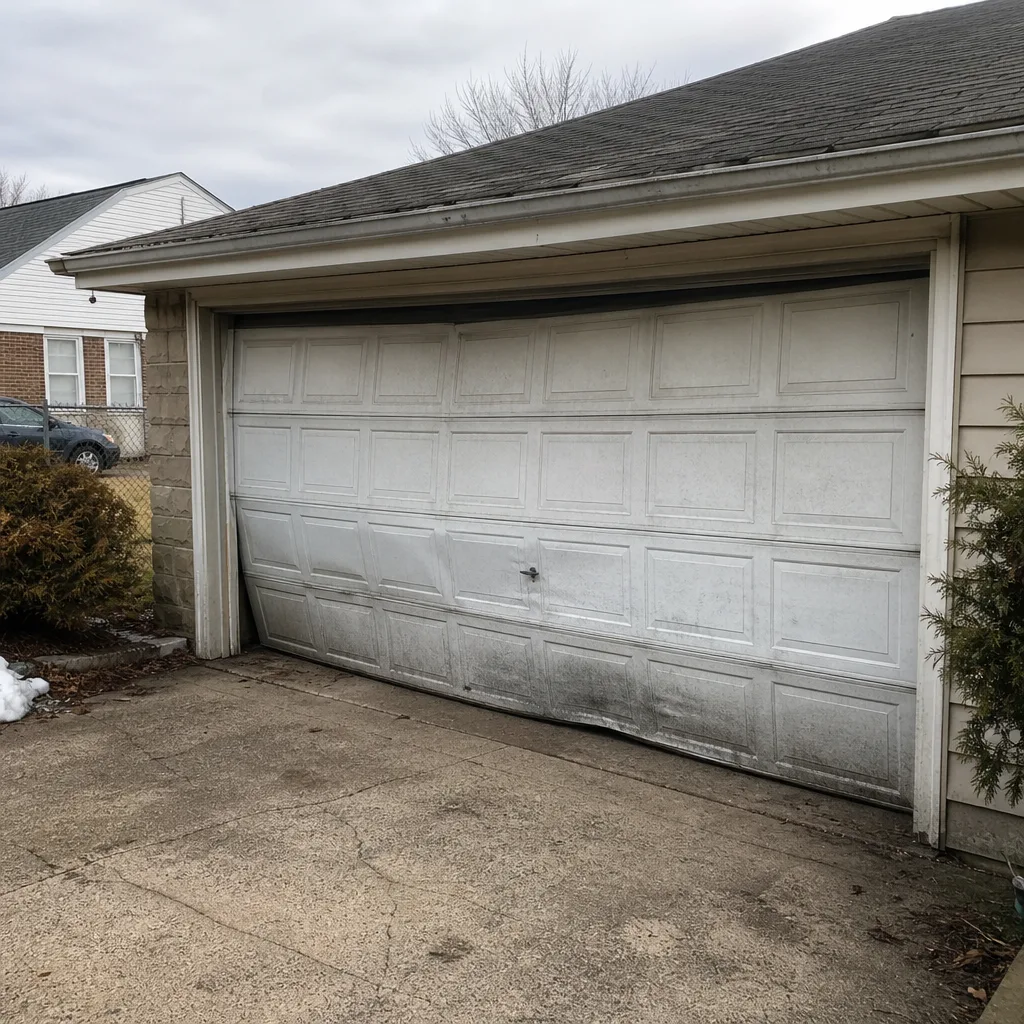 Before
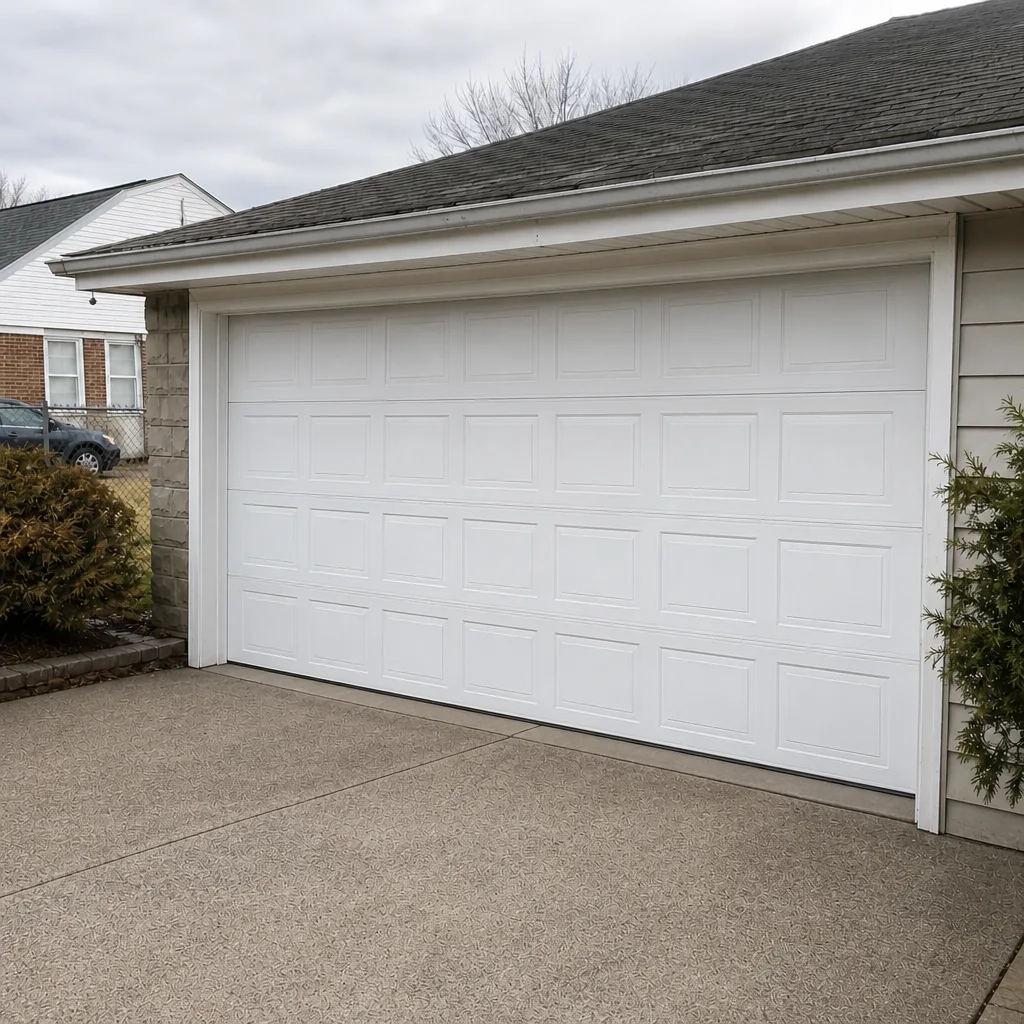 After
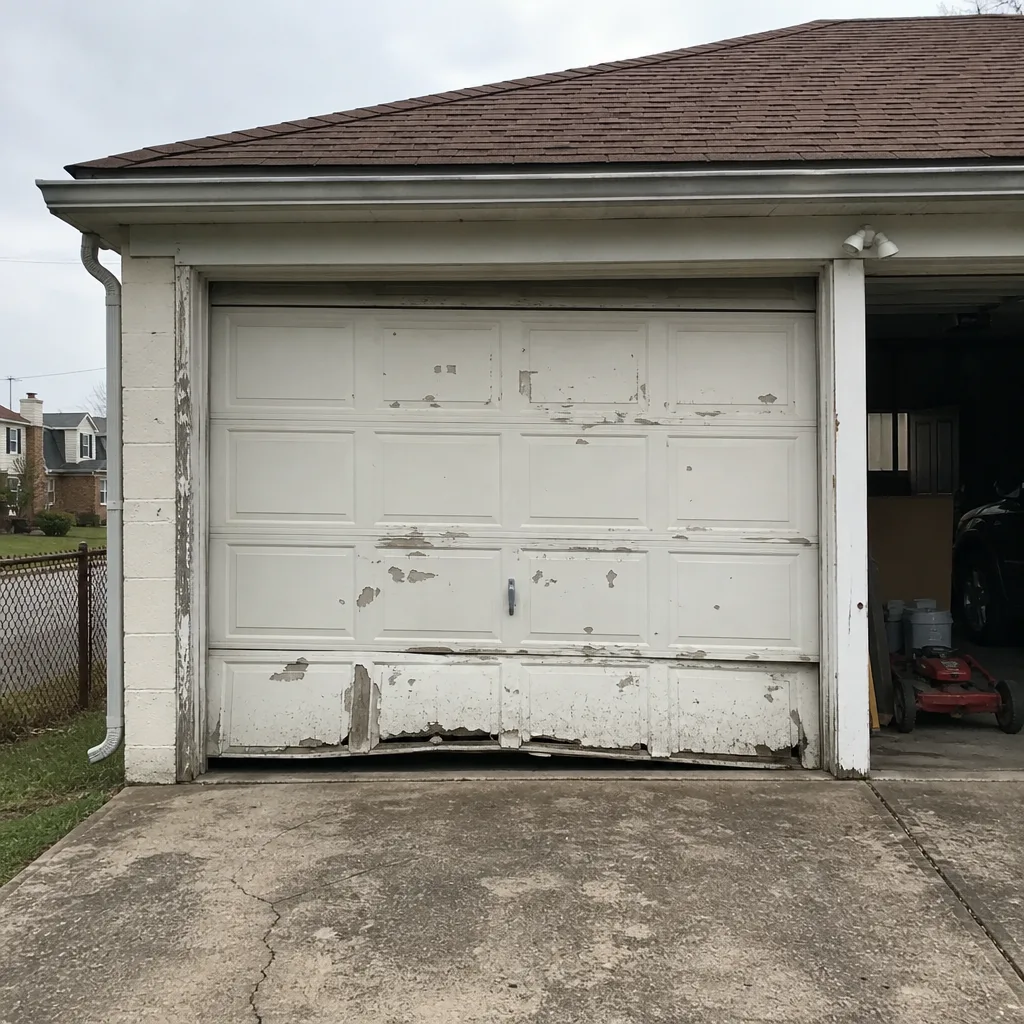 Before
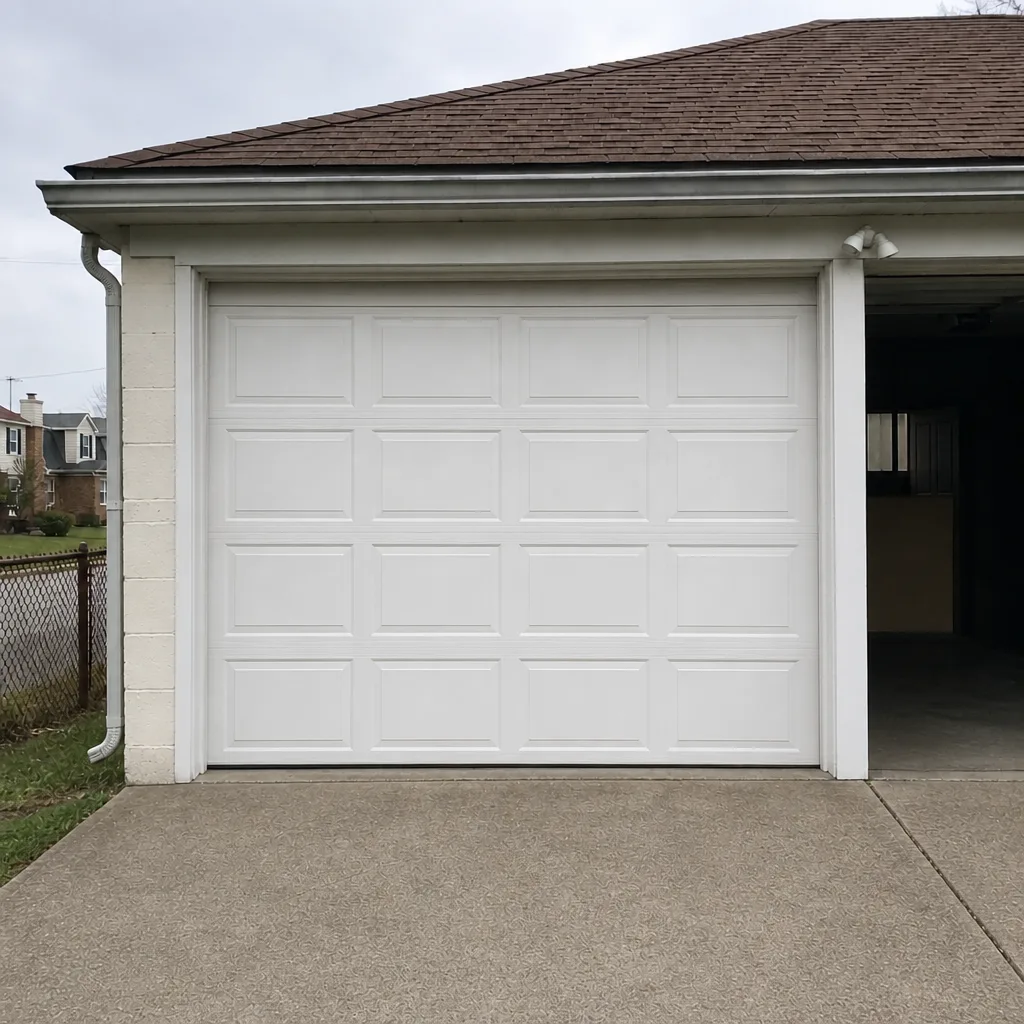 After
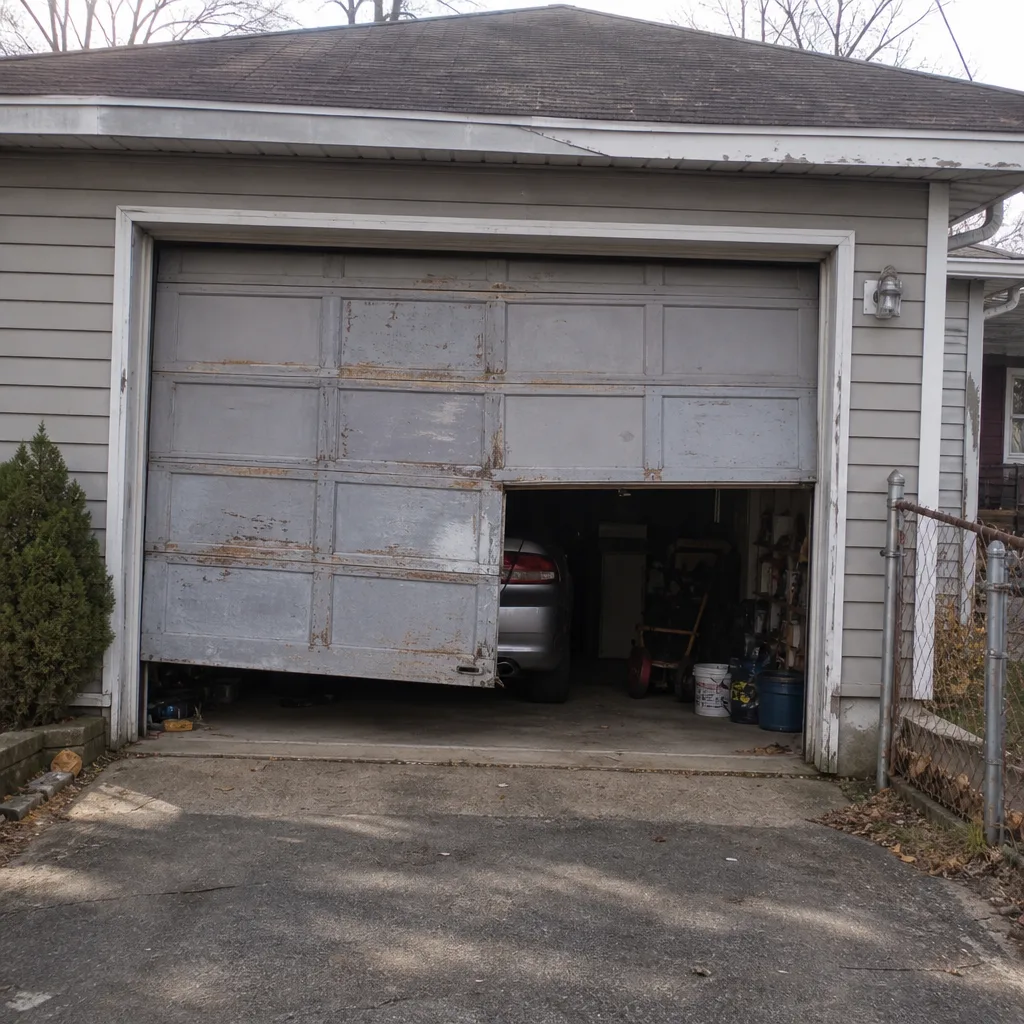 Before
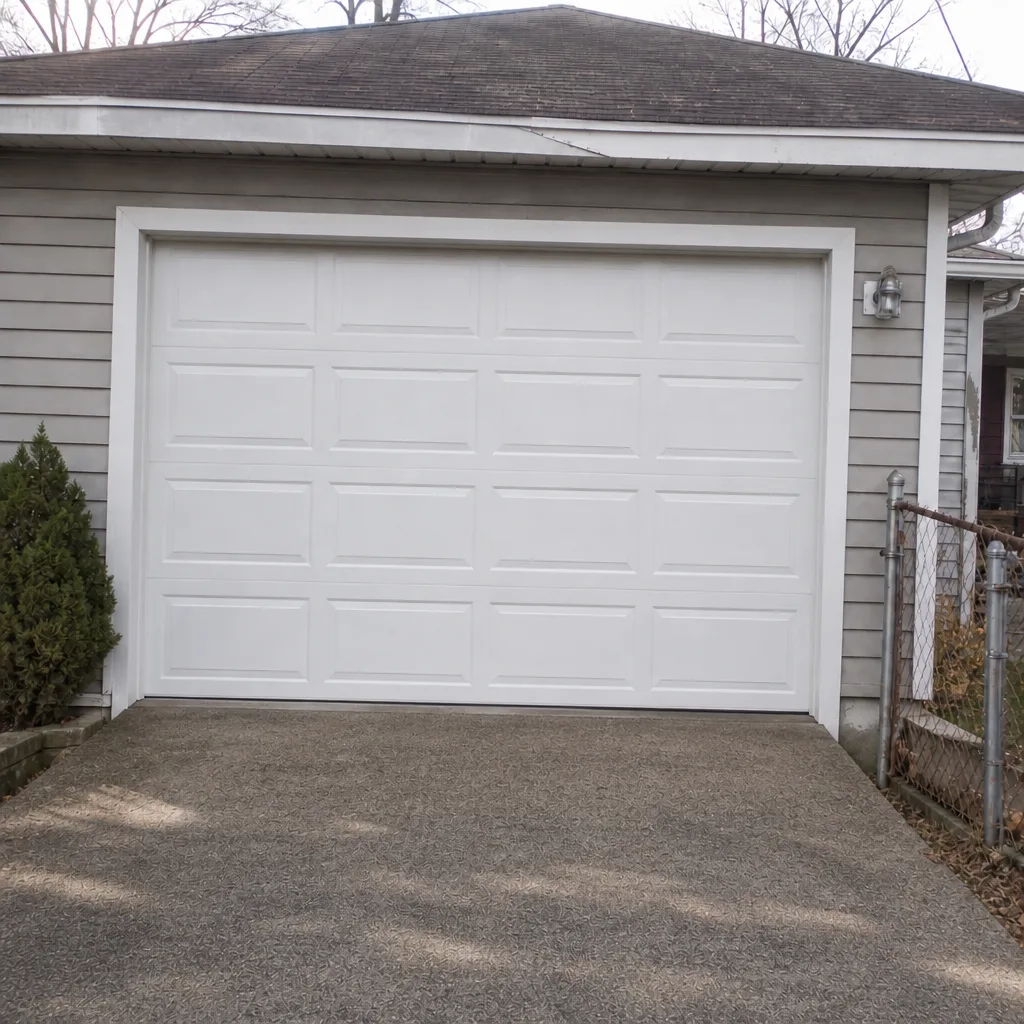 After
When to Call a Professional
Some garage door issues are safe to watch for a day or two, and some need a specialist now. Call a professional immediately if a spring has snapped (loud bang and a door that won’t lift), if the door is off its tracks or hanging unevenly, if a cable is frayed or loose, or if the door won’t close and you need the house secured. These are the situations where a failed door creates a real safety or security gap for an Allentown household, and they’re exactly the calls our emergency service exists for. What you should not do is attempt to adjust or replace a torsion spring yourself; we’ll explain why below. Allentown Garage Door Repair Pros offers free estimates in Allentown, and same-day repair is available for urgent failures. Call (866) 594-2373.
About the springs, specifically: a torsion spring is under extreme tension and stores enough energy to cause serious injury if it releases unexpectedly. That’s not a scare line, it’s the reason we treat spring work as a specialist job. Leave it to a trained technician who has the right tools and the experience to handle it safely.
Frequently Asked Questions
Garage door spring repair in Allentown typically runs $180 to $340 for one spring, and a matched pair costs about twice that. The exact figure depends on the spring type and door weight, and the written estimate you approve before work starts is the price. Call (866) 594-2373 for an exact quote; estimates are free.
Yes, same-day repair is available for a door that’s stuck open or otherwise failing, and emergency response is a core part of what we do. A door stuck open leaves your home exposed, so it’s treated as urgent. Call (866) 594-2373 and describe the brand and the symptom.
No, the price is quoted and agreed before any work starts, so the written estimate is what you pay. If we find a second issue while we’re there, we’ll explain it and quote it before touching it. You decide; nothing gets added to the bill without your approval.
The local pro who performs the work is licensed and insured as their state requires. We connect you with independent local professionals who handle the job. Our technicians have up to 11 years of experience. Call (866) 594-2373 to get started.
We cover the brands most widely installed in Allentown homes, including LiftMaster, Chamberlain, Genie, Clopay, Amarr, Wayne Dalton, Craftsman, and Raynor. That means a brand mismatch won’t turn into a dead end. If you’re not sure what you have, call (866) 594-2373 and we’ll help you identify it.
The door itself commonly lasts many years with maintenance, but the springs and bottom seal are the parts Allentown’s freeze-thaw cycles wear out first. Springs are typically the first major replacement; an opener usually lasts 10 to 15 years. Watching for the early warning signs lets you plan the timing.
The Bottom Line
Your garage door is a system, and in Allentown that system faces freeze-thaw winters and humid summers that wear springs, seals, and finishes faster than milder climates. Springs are the first part to go, then cables and rollers, and openers typically follow in 10 to 15 years. The signals are there before a breakdown: noise, uneven movement, a gap at the bottom. Repair decisions should follow the condition of the whole door, not the urgency of a single morning. And brand coverage matters, because the right technician recognizes the hardware you already own. If you’d like a straight answer on your door, Allentown Garage Door Repair Pros offers free estimates. Call (866) 594-2373.
Written by the team at Allentown Garage Door Repair Pros.